You start pricing a stairlift or a walk-in tub, and the number on the quote stops you cold. Then comes the harder question: who actually helps pay for this?
Here’s the good news. You have more options than you think. Insurance, government benefits, grants, tax breaks, and smart financing can all play a role. Many families stack two or three sources together rather than relying on one. This guide walks through realistic funding paths for home accessibility equipment, who qualifies, what each option covers, and the order to pursue them in, so you can build a plan instead of guessing.
What Counts as Home Accessibility Equipment?
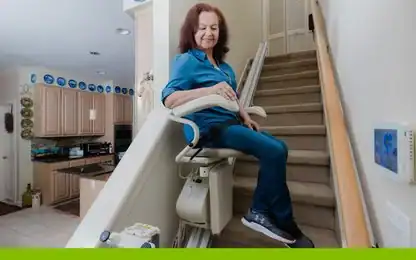
Mobility equipment includes stairlifts, wheelchair ramps, and vertical platform lifts. Bathroom safety equipment includes walk-in tubs, roll-in showers, and grab bars. In-home supports include ceiling-mounted patient lifts and widened doorways. Medicare may cover some portable patient lifts as durable medical equipment, but ceiling-mounted systems are generally treated as home modifications.
The line that matters most: is the item durable medical equipment (DME) prescribed for a medical need, or is it a home modification considered a permanent improvement to your property? A wheelchair is DME. A ramp bolted to your porch is usually treated as a home modification. This distinction decides which programs will pay and which won’t.
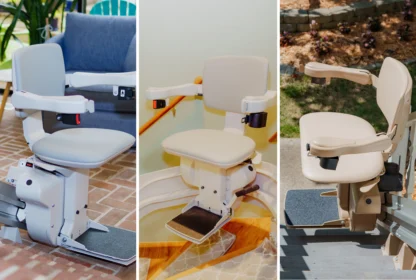
Costs vary widely by region, home layout, and equipment type, so treat any number you see as a starting point, not a quote. As a reference point, straight indoor stairlifts from 101 Mobility typically range from $2,800 to $8,000 installed (see our straight stairlift pricing guide), and consider stairlift rentals for shorter-term needs.
Does Medicare Cover Home Accessibility Equipment?
Original Medicare Part B covers durable medical equipment, think walkers, wheelchairs, hospital beds, and commode chairs, when a doctor documents medical necessity and the equipment comes from a Medicare-enrolled supplier that accepts assignment. You’ll typically owe coinsurance after your Part B deductible is met; check Medicare’s durable medical equipment coverage page for current cost-sharing rules.
Here’s the catch. Stairlifts, ramps, and walk-in tubs are generally classified as home improvements, not DME, so Original Medicare typically doesn’t cover them. Medicare Advantage plans sometimes offer supplemental benefits that traditional Medicare doesn’t. If you have an Advantage plan, call and ask directly what’s included as coverage varies plan to plan.
Can Medicaid or HCBS Waivers Pay for Home Modifications?
Medicaid rules vary by state, and Home and Community Based Services (HCBS) waivers are often the strongest funding source available for home modifications. These waivers exist specifically to help people stay out of nursing facilities, and many cover ramps, widened doorways, and roll-in showers for people who qualify.
Expect a needs assessment, a list of approved contractors, and, in many states, a waiting list. Eligibility depends on both financial and functional criteria set by your state. Your state Medicaid office or your local Area Agency on Aging (you can find yours through the Eldercare Locator) can point you to the specific waiver program available where you live.
What VA Grants Help Veterans Pay for Accessibility Equipment?
Veterans with qualifying service-connected disabilities have access to VA home accessibility grants that are some of the most substantial funding available for home accessibility equipment.
The Specially Adapted Housing (SAH) grant supports veterans with the most severe service-connected disabilities such as, loss of use of more than one limb or blindness combined with loss of use of a limb. The Special Housing Adaptation (SHA) grant covers conditions such as blindness in both eyes, loss of use of both hands, and certain severe burns or inhalation injuries. For fiscal year 2027 (October 1, 2026 through September 30, 2027), the SAH grant is up to $133,042 and the SHA grant is up to $26,654. The exact figures change each fiscal year, so confirm current amounts directly on VA.gov.
The Home Improvements and Structural Alterations (HISA) grant works differently. It’s administered through VA health care’s Prosthetic and Sensory Aids Service rather than the home loan side, and it covers things like bathroom modifications, widened doorways, and ramps. HISA is a lifetime benefit of up to $6,800 for modifications related to a service-connected disability, or for any disability if you have a service-connected rating of 50% or higher. Other veterans enrolled in VA health care can receive up to $2,000. Renters are eligible with the owner’s written permission. You’ll need a prescription from a VA provider, VA Form 10-0103, and quotes from at least three contractors, and VA must approve the project before work begins. VA’s HISA program guide lists the full requirements.
HISA can be used on its own or alongside an SAH or SHA grant. If you might qualify for more than one, an accredited Veterans Service Officer (VSO) can help you decide which to apply for and in what order, at no cost. Looping one in early tends to save time later. For more detail, see our guide to VA mobility grants and our veteran support page.
Will Private Insurance or Workers’ Compensation Cover Accessibility Equipment?
Most private health plans follow Medicare-style DME rules, so don’t expect them to cover permanent modifications. It’s still worth checking your long-term care insurance policy specifically as some include a home modification benefit that goes unclaimed simply because people don’t know to ask. If your need stems from a workplace injury, a workers’ compensation settlement may fund accessibility work as part of your claim.
What Grants and Nonprofit Programs Help Pay for Home Modifications?
Beyond insurance and government benefits, there’s a whole layer of funding that doesn’t need to be repaid, including home modification grants for seniors.
Many states and local governments run their own home modification grant programs for seniors and lower-income homeowners. In eligible rural areas, USDA’s Section 504 Home Repair program offers grants of up to $10,000 to very-low-income homeowners age 62 and older, and low-interest loans of up to $40,000, with a combined maximum of $50,000. Grants must be repaid if the home is sold within three years. Funds are meant to remove health and safety hazards, which includes accessibility barriers.
Your local Area Agency on Aging is one of the most useful starting points you’ll find and it functions as a clearinghouse for whatever local programs exist in your area. Disability-specific nonprofits, independent living centers, and volunteer organizations like Rebuilding Together also help, sometimes building ramps at low or no cost.
Every state also has an Assistive Technology Act program. These programs can offer device loans so you can try equipment before buying, reused equipment at reduced cost, and, in many states, low-interest financing for assistive technology. The AT3 Center lists the program in each state
One honest note: grants often come with income limits, application windows, and waiting periods. Apply to several in parallel rather than waiting on one answer before trying the next.

Are Wheelchair Ramps and Bathroom Modifications Tax Deductible?
Possibly, but the rules have nuance. According to IRS Publication 502, medically necessary home modifications may qualify as deductible medical expenses if you itemize, and only unreimbursed costs above 7.5% of your adjusted gross income count toward the deduction.
The IRS generally treats certain modifications as not increasing home value; ramps, widened doorways, grab bars and handrails, porch lifts and other forms of lifts, modified stairways, lowered cabinets, and accessible grading all fall into this category, meaning the full cost may count as a medical expense, subject to the itemizing and 7.5% rules above. Only the reasonable cost of the accessibility work counts; upgrades chosen for appearance don’t. Stairlifts aren’t named specifically, but the IRS’s reference to “other forms of lifts” may apply, so confirm with a tax professional. Elevators are treated differently since they can add resale value, so only the cost above that value increase may count; an appraisal helps establish the difference.
Only your out-of-pocket portion counts if a grant, Medicaid waiver, or insurance covers part of the cost. Some states also offer their own accessibility tax credits or property tax relief. This is general information, not tax advice, and a tax professional can confirm what applies to your specific situation and help you document it correctly.
How Do You Pay for What’s Left Out of Pocket?
Even after stacking benefits and grants, most households still have a gap to close. Many households cover the gap with one of these:
- Home equity loans or lines of credit (HELOCs): often lower interest rates, using your home as collateral
- FHA-backed improvement loans: designed specifically for home repairs and modifications
- Dealer or manufacturer financing: offered directly through accessibility equipment providers, including financing options from 101 Mobility
- Reverse mortgages (HECM): available to homeowners 62 and older, though these carry real trade-offs in fees and long-term equity, and require mandatory counseling
- Family contributions: more common than you might think, and worth discussing openly early on
The sequencing matters as much as the source. Get a clinical assessment and documentation first. Apply for benefits and grants before signing any purchase contract, retroactive reimbursement is rare, and VA’s HISA program, for example, requires approval before work begins. Request itemized quotes so medical components can be separated from construction costs. And consider rented or used equipment if your need is short-term. Phasing a larger project across budget years can also make it affordable without compromising safety.
What Do You Need to Qualify for Funding Programs?
Eligibility criteria differ by program, but most ask for some combination of the following:
- A physician’s letter documenting medical necessity
- Proof of income (for grants and Medicaid waivers)
- Proof of service connection or disability rating (for VA programs)
- Itemized contractor quotes, often three or more
- A home assessment confirming the modification’s scope
Keep copies of everything. The same documentation often serves multiple applications, so building a complete file early saves you from redoing paperwork later.
How Do You Start Applying for Home Accessibility Equipment Funding?
- Document the medical need. Ask your doctor or physical therapist for a written statement of necessity.
- Check insurance and benefit eligibility. Call Medicare, Medicaid, or your private plan to ask what’s covered.
- Contact your local Area Agency on Aging or independent living center. Ask specifically about grant programs in your state.
- If you’re a veteran, contact a VSO. They’ll help identify which VA grant fits your situation.
- Gather itemized quotes from a provider. A detailed, documented quote supports applications for HISA, Medicaid waivers, and tax deductions alike. Some programs, including HISA, ask for quotes from at least three contractors.
- Price financing for the remaining gap. Compare home equity options, FHA loans, and dealer financing before committing.

Frequently Asked Questions
Does Medicare pay for a stairlift?
Generally, no. Original Medicare classifies stairlifts as home improvements rather than durable medical equipment, so they typically aren’t covered. Some Medicare Advantage plans offer limited supplemental benefits in this area so check with your specific plan.
What grants are available for home modifications for seniors?
Options include Medicaid HCBS waivers, USDA Section 504 grants of up to $10,000 for eligible rural homeowners age 62 and older, state and local accessibility grant programs, state Assistive Technology Act programs, and nonprofit organizations like Rebuilding Together. Your local Area Agency on Aging can point you to what’s available in your area.
Will insurance cover a walk-in tub if a doctor prescribes it?
A prescription helps, but it doesn’t guarantee coverage. Most private insurance and Original Medicare treat walk-in tubs as home modifications rather than durable medical equipment. Medicaid waivers, VA grants, or long-term care insurance are more likely sources of funding so check each directly. Explore bathroom modification options.
Are wheelchair ramps and bathroom modifications tax deductible?
Often, at least partially. The IRS treats items like ramps, grab bars, and widened doorways as generally not increasing home value, which can make them fully deductible as medical expenses if you itemize and exceed the 7.5% AGI threshold, as long as the costs are reasonable and for accessibility rather than appearance. Confirm your specific situation with a tax professional.
What is the cheapest way to make a home wheelchair accessible?
Start with a no-cost or low-cost options first such as, nonprofit ramp builds, Medicaid waivers, VA grants if eligible, before financing anything out of pocket. Renting equipment for short-term needs and requesting itemized quotes to separate medical from construction costs can also keep expenses down.
Building Your Funding Plan
You don’t have to solve this all at once, and you don’t have to solve it alone. Document the need. Check your benefits. Call your Area Agency on Aging. Gather your quotes. Then price out financing for whatever remains.
Combining sources is normal. It’s not a sign you’re doing this wrong, and it’s how many families actually get accessibility equipment paid for.
If you’re ready for next steps, 101 Mobility offers a free, no-obligation home assessment. A local mobility consultant can help you understand your options, provide the kind of documented, itemized quote many funding programs require, and walk you through what’s realistically available for your home. Schedule your free consultation and find out which funding paths apply to you.