The Conversation Worth Having Sooner: Talking About Mobility Equipment While There's Still Time to Enjoy It

Most families don’t put off the conversation about mobility equipment because they don’t care. They put it off because it feels awkward, because a parent seems “fine for now,” or because no one wants to be the one who brings it up. Understandable — and also, quietly, one of the most common regrets we hear about later: “I wish we’d talked about this sooner.”
This isn’t about pushing anyone into a decision. It’s about making the conversation easier to have, and having it while there’s still plenty of time to enjoy what comes from it.
Why We Put This Conversation Off
A few reasons come up again and again: worry about hurting a parent’s pride, a sense that “we’ll deal with it when we have to,” or simply not knowing how to bring it up without it feeling like a bigger conversation about aging than anyone’s ready for. All of these are fair. None of them make the conversation less worth having.
What Waiting Actually Costs — In Everyday Terms
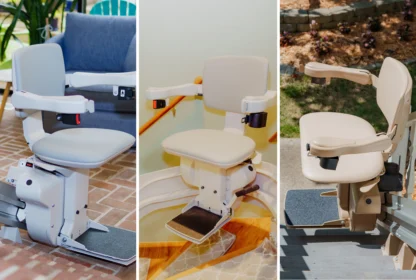
This isn’t about the cost of a fall or an injury — that’s a different conversation, and an important one, covered in our article on why waiting for a fall is the most expensive mobility strategy. This is about something smaller and quieter: the ordinary days a family gains or misses based on timing alone. A stairlift installed calmly, months before it’s urgently needed, means more evenings spent upstairs together instead of a rushed decision made under pressure. The equipment itself doesn’t change. What changes is how much of its 15 to 20 years of use your family actually gets to enjoy.
How to Start the Conversation
Lead with observation, not diagnosis: “I noticed the stairs seemed tougher this week” lands better than “we need to talk about your mobility.” Frame it around what your parent wants to keep doing — gardening, hosting, sleeping in their own room — rather than what they can no longer do. And consider offering a low-pressure first step, like a free in-home consultation, which is simply information, not a commitment.
A Simple Way to Frame the Timing
| When the Conversation Happens | What’s Typically Still Possible |
|---|---|
| Early — first signs of difficulty | Unhurried planning, full choice of options, years of full use |
| Mid — after a scare or noticeable decline | Still a good outcome, somewhat less time to plan calmly |
| Late — during a health crisis | Still helpful and worthwhile, but decisions made under pressure |
Is Now a Good Time to Talk?
Use this table as a gentle gut-check, then explore options on our Eastern Greater Toronto page.
| Where Things Stand | What It Suggests | Next Step |
|---|---|---|
| You’ve noticed something, but haven’t said anything | This is a good moment to start gently | Pick one small observation to mention this week |
| The topic has come up but stalled | Worth a low-pressure nudge | Suggest a free, no-obligation consultation |
| A recent change has made it urgent | Act with care, but don’t wait longer | Book a fast-tracked in-home visit |
FAQs
What if my parent doesn’t want to talk about it?
Give it time, and try again with a smaller, more specific observation rather than a big general conversation. Most people respond better to “I noticed X” than to being told what to do.
Is it too early to bring this up if nothing has happened yet?
No — that’s actually the best time. Early conversations tend to be calmer, and give your family the most options.
How is this different from your article about waiting for a fall?
That article looks at the medical and financial cost of an injury. This one is about the conversation itself — how to start it, and what everyday life looks like when it happens sooner rather than later.
Which areas do you serve?
Scarborough, Pickering, Ajax, Whitby, Oshawa, Markham and the surrounding Durham Region.
Conclusion
The conversation doesn’t have to be perfect, and it doesn’t have to happen all at once. It just has to start — and starting sooner tends to mean more good days on the other side of it.
Ready to take the pressure off with some no-obligation information? Book your free in-home consultation with 101 Mobility of Eastern Greater Toronto, or call our Pickering showroom at (905) 581-7207.
📍 Scarborough • Pickering • Ajax • Whitby • Oshawa • Markham • Durham Region