The holidays bring you home. And while that usually means good food, familiar faces, and a little too much time on the couch, it can also reveal something harder to ignore: the house you grew up in may not be as safe as it once was. Noticing these things is the easy part. Knowing what to say without starting an argument or making your parent feel managed is where most people get stuck. A home safety conversation with parents can feel loaded, especially when independence and dignity are on the line.
This guide is here to help. You’ll learn what to watch for during your visit, how to open the conversation with care, and what practical steps you can suggest that won’t feel overwhelming to anyone at the table.
Why the Holidays Are a Natural Time to Check In
A phone call can only tell you so much. Hearing your mom say “I’m fine” tells you almost nothing about whether she’s actually moving safely through her home.
An in-person visit is different. You see how she navigates the kitchen. You notice whether your dad holds the handrail or skips it. You spot the stack of unopened mail, the extension cord across the hallway, or the bathroom with no grab bar in sight. These are things no one thinks to mention over the phone, and no one may even consciously register until someone asks.
The holidays create a natural window for this kind of observation. You’re already there. You’re already spending time together. A check-in doesn’t have to feel like an inspection. It happens organically, over coffee or while helping with dishes, when you’re paying attention.
Frame it that way. You’re not auditing their home. You’re spending time with people you love, and you’re paying attention because you care.
Signs It Might Be Time to Talk About Home Safety
During your visit, keep an eye out for these common warning signs that a home safety conversation with parents is overdue:
- Loose or curling rugs, especially near the bathroom, kitchen, or bottom of the stairs
- Poor lighting in hallways, stairwells, or entry points
- No grab bars near the toilet or in the shower or tub
- Cluttered walking paths (furniture, bags, or boxes narrowing the route between rooms)
- Difficulty on the stairs such as gripping tightly, moving slowly, or avoiding upper floors altogether
- Expired food in the refrigerator or pantry, suggesting meals may be getting skipped
- Unopened mail or bills, which can signal declining energy or cognitive changes
- Unexplained bruises or mentions of recent trips or near-falls
None of these signs alone is cause for alarm. But a cluster of them, or one you can’t stop thinking about, is a good signal that it’s time to have the conversation.

How to Start the Conversation With Care
Timing matters more than you might think. Bringing up home safety in the middle of a family dinner, or immediately after something frustrates you, is likely to put your parent on the defensive. Choose a calm, private moment. A quiet walk after a meal. A one-on-one conversation when others have stepped out. Lead with what you’ve noticed, not with what you’re worried might happen.
Ask questions first. “I noticed the light is out in the hallway, has that been bothering you?” opens a door. “You need to fix that light before someone falls” closes it.
Frame everything as a shared goal. Your parent wants to stay in their home. You want them to be safe there. Those two things are not in conflict, and the conversation goes better when both people understand that.
What to Say (and What to Avoid)
Small shifts in language make a real difference in how this conversation lands.
Instead of:“You’re going to fall on those stairs.”
Try:“I noticed you were holding the rail pretty tightly, has the staircase felt harder lately?”
Instead of:“You can’t keep living like this.”
Try:“I want to make sure the house is set up so you can stay here as long as you want.”
Instead of:“We’ve all been worried about you.”
Try:“I’ve been thinking about this since my last visit and wanted to bring it up.”
Talking about your parent to a room of people feels very different from talking with them, one-on-one, as partners in a decision. Keep it between you, at first.
Avoid ultimatums. Avoid comparisons to other families or friends. And avoid projecting worst-case scenarios as they tend to make people dig in, not open up.
Involving Other Family Members
If you have siblings or other relatives who share your concerns, a coordinated approach can help. When the conversation comes from one person, a parent may dismiss it as that person’s anxiety. When it comes from several people who love them calmly, without pressure, it’s harder to brush off.
Before the holiday visit, get on the same page with family members about what you’ve each observed and what you want to suggest. Agree on tone. The goal is to make your parent feel surrounded by people who care, not ganged up on. If family dynamics make a group conversation complicated, even a quick follow-up from a sibling, “I agree with what Sarah mentioned, and I think it’s worth looking into”, can reinforce that this isn’t one person’s agenda.
Practical Home Safety Improvements to Suggest
Once the conversation is open, keep your suggestions small and specific. A list of twenty changes feels like a project. Three or four feels manageable.
Good starting points for fall prevention for elderly parents include:
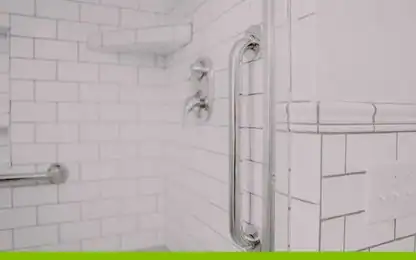
- Grab bars near the toilet and in the shower or tub: these are one of the highest-impact changes you can make, and they can be installed in a matter of hours
- Brighter bulbs in hallways and stairwells: a simple swap that immediately improves visibility
- Non-slip mats in the bathroom and at entry points
- Clearing walking paths throughout the home, especially between the bedroom and bathroom
- A medical alert device: something your parent can use if they fall or need help when no one else is home
- Secure handrails on both sides of any staircase
These are easy wins. They don’t require major construction, large budgets, or anyone admitting that things have changed. They’re just good ideas and the kind any homeowner might adopt.
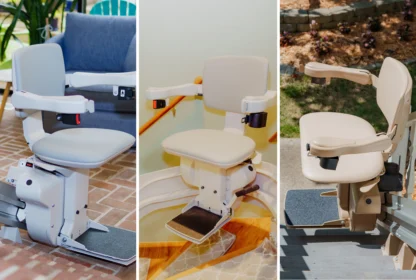
As trust builds over time, bigger conversations become easier. A home accessibility assessment can help you understand what modifications might make the most difference long-term, including options like stairlifts, vertical platform lifts, or grab bar installations done right.
Frequently Asked Questions
How do I bring up home safety with my aging parents without upsetting them?
Start with curiosity rather than concern. Ask open-ended questions about how they’re managing day-to-day, and share specific observations, not general worry. Choose a calm, private moment rather than bringing it up in a group. Frame the conversation around their goal (staying home independently) rather than your fear (something going wrong).
What are signs my parents may not be safe living alone?
Look for physical signs like unexplained bruises, difficulty navigating stairs, or a home cluttered with tripping hazards. Signs like expired food, unopened mail, or noticeable changes in mood and energy can also signal that day-to-day management is becoming harder. Any one of these may not be cause for concern on its own, but a pattern is worth addressing.
What home modifications help prevent falls for seniors?
The most effective fall prevention for elderly parents focuses on the highest-risk areas: the bathroom, stairways, and walking paths through the home. Grab bars near the toilet and in the shower, non-slip mats, improved lighting in hallways and on stairs, and cleared walking paths are all high-impact, low-disruption changes. For stairways specifically, a stairlift can dramatically reduce fall risk for parents who struggle with steps.
How do I convince a stubborn parent to accept help at home?
Don’t try to convince; invite. Involve your parent in the decision rather than presenting it as something decided for them. Focus on the benefit from their perspective: these changes help them stay in their home longer, on their own terms. Starting with one small, low-stakes improvement (like a brighter bulb or a non-slip mat) builds trust for bigger conversations later.
When is it time to consider assisted living instead of aging in place?
Aging in place is a realistic option for many people, especially when the right modifications are in place. The conversation about assisted living typically becomes necessary when a parent’s care needs exceed what the home environment, or available family support, can safely manage. A professional home assessment can help clarify what’s feasible and what modifications would need to happen to make staying home a safe long-term option.
Turning Concern Into Action
Here’s the truth: the hardest part of this whole process is noticing. You’ve already done that.
Starting the conversation, even imperfectly and even if it doesn’t go the way you hoped, is what makes change possible. Parents who feel heard are far more likely to accept help than those who feel managed. And a holiday visit, when the house is warm and everyone is together, is one of the best moments you’ll have to open that door.
You don’t have to solve everything this trip. Pick one thing. Suggest one grab bar. Replace one bulb. Ask one question.
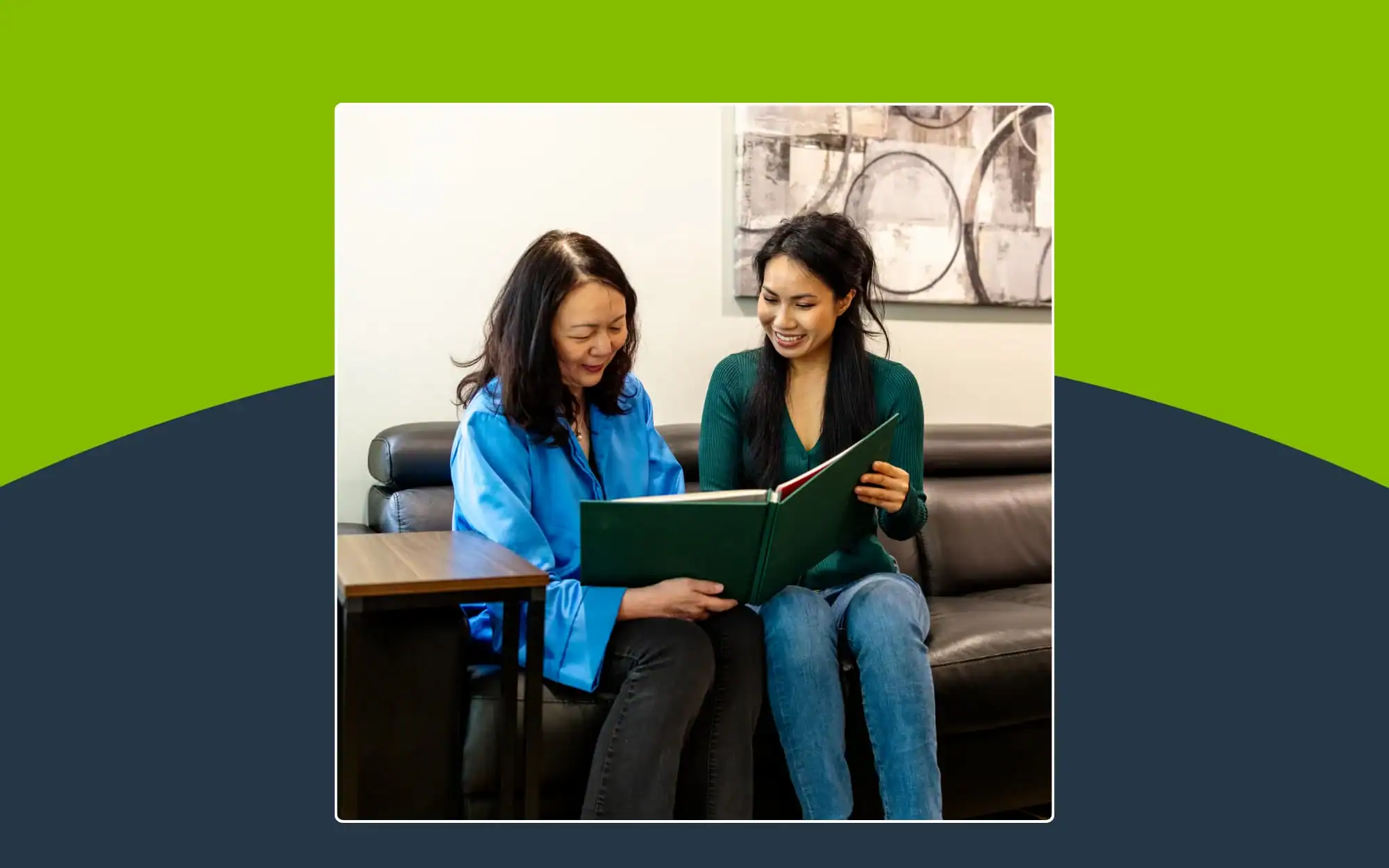
When you’re ready to take the next step, 101 Mobility’s local consultants offer free home consultations by coming to your parent’s home to assess what changes would make the biggest difference. No pressure, no obligation. Just a clear picture of what’s possible.
Your parents built their home. Help them stay in it.