The Years You Get Back: Why Timing Your Mobility Investment Matters

Over the years, our Pickering-based team has noticed a pattern that we think is worth talking about honestly: some of the families we meet reach out only in the final months of a loved one’s life — after a hospital discharge, or when there simply isn’t time left to wait. The equipment gets installed. It works exactly as it should. But it’s only used for a few months, when it was built to give 15 to 20 years of independence.
This isn’t about sales. It’s about the years families sometimes leave on the table by waiting too long to decide.
A Pattern We See Often
Picture a common version of this: someone notices the stairs getting harder around age 78 or 80. They mention it, but nothing changes. A few years pass. Then a health event forces a fast decision — a stairlift or ramp is installed within days, often under stress, sometimes after a hospital stay. It gives real relief and comfort. But if that same decision had been made five years earlier, that family would have had five more years of a parent moving freely through their own home, hosting grandchildren upstairs, sleeping in their own bedroom, and living exactly where they wanted to be.
How Long This Equipment Actually Lasts
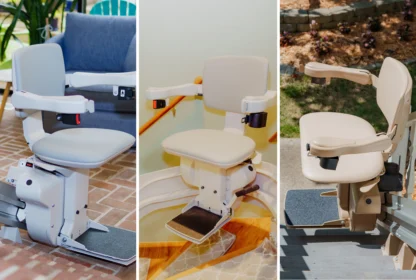
Stairlifts, vertical platform lifts, and home elevators are engineered for the long haul — most are built to perform reliably for 15 to 20 years with routine maintenance. That is a strikingly different picture than what many families experience, where the equipment is purchased in the final chapter of life and used for only a fraction of what it could offer.
What Buying Early Actually Gives Back
When a family invests early, the return isn’t measured in dollars — it’s measured in ordinary days. Coming down for coffee without a second thought. Getting outside to the garden. Hosting a birthday dinner upstairs instead of missing it. Staying in the home filled with decades of memories, rather than facing a move to assisted living sooner than necessary. These are the years a stairlift or elevator is designed to give back, and they are only available if the decision is made while there’s time to enjoy them.
Common Reasons Families Wait — and Why They’re Worth Revisiting
- “They’re managing fine for now” — often true today, but the equipment takes weeks to plan and install, and needs tend to change faster than expected.
- “It feels like giving up independence” — in practice, it’s often the opposite: it’s what keeps someone independent longer, in their own home.
- “We’ll deal with it when we need to” — understandable, but it turns a calm decision into a rushed one, usually at the hardest possible moment.
- Cost concerns — understandable, and worth an honest conversation about financing (see below).
On the cost question specifically: financing options and applicable Ontario programs can make earlier action more affordable than families expect — see our financing options page for details.
Lifespan vs. Timing at a Glance
| Scenario | Typical Years of Use | What’s Lost or Gained |
|---|---|---|
| Purchased early, at first signs of difficulty | 10-20 years | Full independence, family time, home comfort |
| Purchased mid-way, after a scare or near-fall | 5-10 years | Meaningful years still gained, some already passed |
| Purchased very late, during a health crisis | Months to a few years | Comfort and safety gained, but years of use missed |
Is Now the Right Time? A Gentle Guide
There’s no wrong time to ask the question. Use this guide, then explore options on our Eastern Greater Toronto page.
| Where Things Stand | What It Suggests | Next Step |
|---|---|---|
| Stairs or mobility are just starting to feel harder | This is the ideal window | Book an unhurried, no-pressure consultation |
| Family has talked about it but hasn’t acted | Worth revisiting soon | Set a date for an in-home assessment |
| A recent health event has changed things quickly | Act now, but you’re not alone | Request a fast-tracked visit |
FAQs
How long do stairlifts and home elevators actually last?
With routine maintenance, most stairlifts and home elevators are built to perform reliably for 15 to 20 years.
Isn’t it better to wait until it’s really needed?
Waiting often means installing under pressure, with less time to plan and fewer years to enjoy the benefit. Acting at the first signs of difficulty tends to give families the most value and the most peace of mind.
Does this equipment feel like giving up independence?
Most families find the opposite is true — it’s what allows someone to keep doing the things they love, in the home they love, for longer.
How is this different from your post about waiting for a fall?
That article looks at the medical and financial cost of a fall. This one is about something different: the years of everyday life and independence a family can gain simply by deciding earlier rather than later. You can read it here: Why ‘Waiting for a Fall’ Is the Most Expensive Mobility Strategy.
Conclusion
This equipment is built to give your family many years of everyday life together — mornings, visits, holidays, ordinary Tuesdays. The only variable is when you start the clock. If you’ve been meaning to have this conversation, there’s no better time than now.
Ready to make your home safer and more accessible? Book your free in-home consultation with 101 Mobility of Eastern Greater Toronto, or call our Pickering showroom at (905) 581-7207.
📍 Scarborough • Pickering • Ajax • Whitby • Oshawa • Markham • Durham Region