Vertical Platform Lift (VPL) Troubleshooting Guide: Common Problems & Fixes
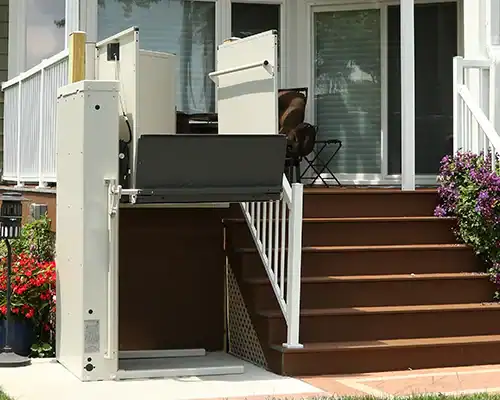
When your Vertical Platform Lift (VPL) stops working, it’s more than just a broken machine—it’s a sudden disruption to your daily life and your freedom. A VPL, also known as a wheelchair lift or porch lift, is a vital accessibility device that helps you and your loved ones navigate steps, porches, or elevated spaces with independence.
The good news is that most issues, from a mysterious beeping sound to a complete power loss, often have simple fixes. As experts in mobility and accessibility solutions, we understand the importance of a reliably functioning lift. We created this guide to walk you through basic diagnostics to identify and resolve common operational issues, such as power loss or unexplained noises.
If a professional is needed, we’ll make that clear, so you can get back to living how you want quickly and safely.
Before You Begin: Critical VPL Safety Warnings
When your lift is not functioning, the impulse to fix it yourself is understandable. While this guide provides the necessary steps for basic troubleshooting, note that safety must always be the highest priority. These tips are provided strictly for basic diagnostics.
Essential Guidelines for Your Protection
- Turn the Power Off: Before inspecting or handling any component, you must switch the main power to the VPL off. This immediate step is crucial for your protection.
- Do Not Attempt Complex Repairs: Limit your actions to simple checks. If the issue involves complex mechanics or electronics, do not proceed. Attempting repairs you are unfamiliar with can lead to further damage or injury.
- Call a Professional When Necessary: If you cannot quickly resolve the issue, or if the lift is emitting unusual mechanical noises, contact a local certified technician immediately. Calling for professional service ensures your continued safety and prevents the risk of damaging your equipment further.
Problem: My VPL Has No Power and Won’t Move at All
If your Vertical platform lift is completely unresponsive, this section addresses the most common and urgent pain point. A loss of power is frequently due to a simple control setting or an external power interruption.
Step 1: Check the Key Switch
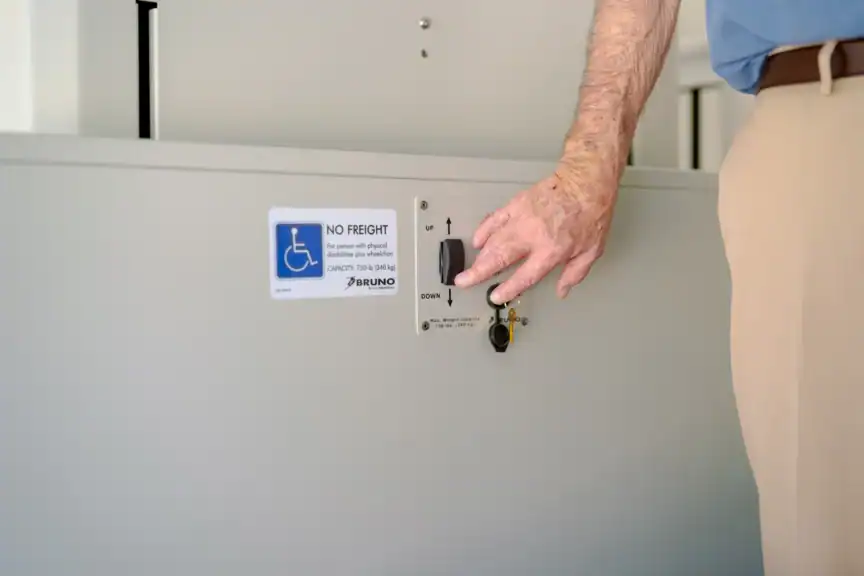
The key switch acts as a primary control lock. Ensure it is correctly engaged before calling for service.
- Is the key fully inserted and turned to the “on” position?
- If the key seems correct but the lift won’t move, try removing and re-inserting the key to ensure a proper connection.
Step 2: Verify the Emergency Stop Button
The large, red “E-Stop” button is an essential safety feature. When activated, it immediately cuts all power and movement.
- Check if the emergency stop button has been pushed in.
- To reset the button, twist it gently. It should pop out, disengaging the emergency stop function.
Step 3: Confirm Main Power
An interruption in the electrical supply can prevent operation. If the lift is beeping continuously, it often indicates the unit is running on its battery backup due to a power supply issue.
- Is the lift plugged in?
- Check the home’s main electrical panel or the circuit breaker for the specific outlet to ensure it hasn’t tripped.
Problem: My VPL Is Beeping or Making a Sound
A beeping sound is the vertical platform lift’s way of communicating a specific status or warning to the user.
Continuous Beep
- A continuous beep often signals that the lift is currently operating on its battery backup.
- This points to an issue with the main power supply.
- The lift needs external power restored, so refer to the “Confirm Main Power” section (step 3 in the problem above) to check the outlet and circuit breaker.
Intermittent Beep
- A beep that chirps on and off can signal a service reminder or a fault code.
- If the beep isn’t resolved by earlier steps, you may need to contact a professional.
- Try to note the pattern of the beep if possible (e.g., three short beeps followed by a pause). This pattern helps a technician diagnose the specific fault.
Problem: My VPL Tries to Move but Then Stops
If your VPL begins to move and then immediately halts, it typically means a primary safety feature has been activated. These features are designed to protect both the user and the equipment.
Check for Obstructions
- Is something blocking the lift’s path of travel?
- Are there items preventing the doors or gates from closing fully? Even minor obstructions can trigger the safety sensors.
Inspect the Under-Platform Safety Pan
- The under-platform safety pan is a pressure-sensitive surface located beneath the lift’s platform.
- If the pan contacts anything—such as debris, a rock, or a toy—it is designed to immediately stop the lift’s operation.
- Visually check beneath the platform to ensure nothing is making contact with the safety pan.
Check the Doors and Gates
- All landing gates and the platform door must be securely closed and fully latched.
- The lift’s safety circuits are designed to prevent operation if a door or gate is open, even slightly. Ensure the latches are completely engaged.
When Is It Time to Call a 101 Mobility Technician?
As experts in mobility and accessibility solutions, the team at 101 Mobility is dedicated to providing you with freedom and independence. While basic troubleshooting can resolve minor issues, some problems go beyond simple diagnostics and require professional, personalized care.
If you find yourself in any of the following situations, it is time to stop troubleshooting and call for professional service:
- You have carefully tried all the steps in the guide above, and the lift still will not work.
- The lift is making unusual mechanical noises, such as grinding or scraping.
- The VPL moves unevenly or seems jerky during operation.
- A specific error code is displayed that you cannot clear.
Don’t let a broken lift disrupt your life. Our certified technicians can diagnose and repair your VPL safely and quickly.
Frequently Asked Questions about VPL Troubleshooting
When your vertical platform lift is experiencing issues, you need reliable answers quickly. Here are answers to common questions about VPL reliability, power, and maintenance.
Why is my VPL making a beeping noise?
A VPL that is beeping is usually giving a specific warning about its status or power.
- Continuous Beep: This typically signals that the lift is currently running on its battery backup. The sound is a reminder that the lift has lost main power and needs external electrical service restored.
- Intermittent Beep: This can indicate a service reminder or a specific fault code. Note the pattern of the beeps, as this helps a professional technician with diagnosis.
How do you troubleshoot a wheelchair lift that’s not working?
If the lift won’t move, focus on the easiest fixes first:
- Check Power Controls: Confirm the key switch is “on” and the emergency stop button is disengaged (popped out).
- Check Safety Systems: Look for any physical obstructions blocking the lift’s path or under the platform.
- Check Security: Ensure all doors and landing gates are fully closed and latched.
How do you reset a vertical platform lift?
If basic checks fail, a simple reset can sometimes clear the issue:
- Reset the E-Stop: Ensure the large, red emergency stop button has been pulled out or twisted to disengage the stop function.
- Toggle the Key: Turn the key to the “off” position, wait briefly, and turn it back to the “on” position.
- Check Main Breaker: If you suspect an electrical problem, confirm the circuit breaker for the VPL is on, flipping it off and on if necessary.
What maintenance does a platform lift require?
Regular VPL maintenance is essential for keeping the lift running smoothly and reliably. This preventive care typically includes:
- Periodic checks of mechanical components and safety circuits.
- Lubrication of moving parts.
- Testing of all safety sensors and features.
Regular professional service helps prevent minor issues from becoming major, costly repairs.
Can my VPL be used during a power outage?
Yes, most modern VPLs are designed with a backup battery power system. This battery allows the lift to complete a set number of cycles during an outage, ensuring you can still move safely between levels of your home.
How long do VPL batteries last?
The lifespan of VPL batteries depends on the specific model and how frequently the lift is used. Typically, VPL backup batteries are designed for several years of service. If your lift is running on battery power, it’s a sign that the battery may need attention or the charging system is not functioning correctly.
Is regular maintenance required by law for commercial VPLs?
Yes. Commercial VPLs must strictly follow Americans with Disabilities Act requirements for public access and are subject to stricter regulations than residential units. Compliance with local building codes often mandates regular professional inspections and maintenance to ensure the lift remains safe, functional, and legally compliant.