When a Home Elevator Makes Sense in Central: Long-Term Accessibility Planning

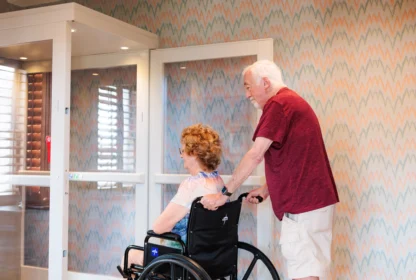
A multi-level home can be a great fit for the way your family lives today. But stairs can become a bigger concern over time, especially if you are planning for long-term comfort, aging in place, or changing mobility needs. In many cases, a home elevator in Central is not just a convenience upgrade. It is a practical way to make everyday living safer, easier, and more sustainable.
For homeowners who want to stay in the home they love, a residential elevator can create reliable access between floors without requiring a move or a major lifestyle change. It can also help families think beyond today’s needs and make smarter long-term accessibility decisions.
Why More Homeowners in Central Are Planning Ahead
Long-term accessibility planning often starts before mobility becomes urgent. That is what makes it effective.
Many homeowners in Central are thinking ahead because they want a home that continues to work for them in the years ahead. A second story, finished bonus room, upstairs bedroom, or split living space can all become harder to navigate if stairs are no longer comfortable or safe. Planning early gives you more flexibility and more options.
A residential elevator Central homeowners can rely on may make sense when your goal is to:
- stay in a multi-level home longer
- improve daily comfort and convenience
- reduce dependence on stairs
- support a loved one with changing mobility needs
- make future accessibility part of a broader home plan
Signs a Home Elevator May Be the Right Fit
Not every home needs a residential elevator. But there are common situations where it becomes a strong long-term solution.
Stairs are becoming a daily obstacle
You do not need to be unable to use stairs for them to become a concern. Often, the first sign is that stairs feel more tiring, less comfortable, or less practical than they used to.
That can show up as:
- avoiding part of the home
- carrying laundry, groceries, or household items more carefully
- slowing down on steps
- worrying about balance or fatigue
- helping a parent or spouse move between floors
When a staircase is starting to limit how you use your home, it is worth exploring full-floor access solutions.
You want to support aging in place
One of the clearest reasons to consider a home elevator is aging in place planning. If your goal is to remain in your home long term, accessibility should be part of that conversation early.
A home elevator can help make a forever home more functional by allowing you to continue using bedrooms, offices, storage areas, and common living spaces on different levels without relying fully on stairs.
You are remodeling or planning a long-term home
A home remodel, downsizing decision, or long-term renovation plan is often the right time to evaluate accessibility improvements. If you are already thinking about how the home should serve you five, ten, or fifteen years from now, adding a home elevator may be more practical than waiting until mobility needs become more urgent.
You want easier movement for people and everyday items
A home elevator is not only about mobility decline. It can also improve everyday convenience. In a multi-story home, moving luggage, laundry, boxes, or other items between levels can become frustrating over time. A lift can make daily routines easier while also supporting future accessibility.
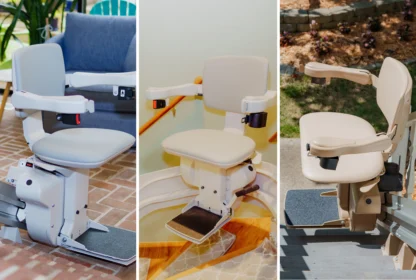
Home Elevator vs. Other Accessibility Solutions
The right solution depends on the layout of the home, who will use it, and your long-term goals.
Here is a simple way to think about it:

If the main issue is one staircase, another solution may be worth considering. But if the larger goal is multi-level home accessibility, comfort, long-term planning, and easier movement throughout the house, a home elevator often becomes the stronger fit.
What to Consider Before Choosing a Home Elevator in Central
A successful accessibility upgrade starts with the right fit for the home and the household.
Your layout
Some homes are better suited for compact home lift options, while others may allow for a larger residential elevator style. The available footprint, floor plan, and travel path all matter.
Who will use it
Think about current and future users. Is the goal personal convenience, support for a loved one, easier daily movement, or broader accessibility planning for the household?
Your long-term plans
A home elevator is often chosen by homeowners who plan to stay in their home and want a solution that supports comfort over time. That makes it different from a temporary fix.
Design and integration
Today’s home lift options can work with a range of interior styles and layouts. For many homeowners, the goal is to improve function without making the home feel overly clinical or heavily altered.
Popular Home Lift Options for Multi-Level Home Accessibility
When homeowners start researching a residential elevator Central families can use long term, they are often surprised by how many configurations exist.
Depending on the home and accessibility goals, options may include:
- compact home lifts for smaller footprints
- through-floor lift designs
- residential elevators designed to blend into existing living space
- models with different capacities, layouts, and entry configurations
The best choice depends on the home itself, not just the product category. That is why an in-home evaluation is important. A professional recommendation can help you understand what fits your space, what supports your long-term goals, and what feels most practical for daily life.
To explore available solutions, visit the 101 Mobility Baton Rouge location or browse home elevator solutions.
What the Process Usually Looks Like
For most homeowners, the first step is not choosing a model. It is understanding what makes sense for the home.
A typical process includes:
- Consultation: Review the home layout, mobility concerns, and long-term goals.
- Recommendation: Identify the most practical solution for access, comfort, and fit.
- Installation planning: Determine how the lift or elevator can be integrated into the home.
- Professional installation and support: Make sure the solution is installed correctly and works as intended.
That process helps take the guesswork out of accessibility planning and makes it easier to move forward with confidence.
Key Takeaways
- A home elevator can be a smart long-term investment for homeowners in Central with multi-level living needs.
- It often makes sense when stairs are becoming less practical, comfort matters, or aging in place is part of the plan.
- The best solution depends on the home layout, user needs, and long-term goals.
- Exploring options early usually gives you better flexibility than waiting for mobility needs to become urgent.
FAQs About Home Elevators in Central
When does a home elevator make sense instead of waiting?
A home elevator often makes sense before stairs become a serious limitation. Planning early can give you more options and help you create a safer, more comfortable long-term living setup.
Is a home elevator only for people with major mobility issues?
No. Many homeowners choose a home elevator as part of proactive accessibility planning, long-term convenience, or a broader remodel designed to support aging in place.
Are there home lift options for existing homes?
Yes. Many home lift options are designed to work in existing homes, depending on layout, available space, and the type of access needed.
What is the benefit of a residential elevator in a multi-level home?
A residential elevator improves access between floors, supports daily comfort, and helps homeowners continue using more of their home over time.
How do I know which accessibility solution is right?
The best way to know is to schedule a professional consultation. A specialist can evaluate your home, your goals, and the available solutions that fit your layout and long-term needs.
Take the Next Step
If you are thinking about a home elevator in Central as part of a smarter long-term accessibility plan, the next step is to get expert guidance based on your home and your goals.
Book a Free Consultation to explore residential elevator and home lift options that support comfort, convenience, and long-term independence.