Wheelchair Ramp Maintenance in Abbeville: What to Review After Heavy Rain
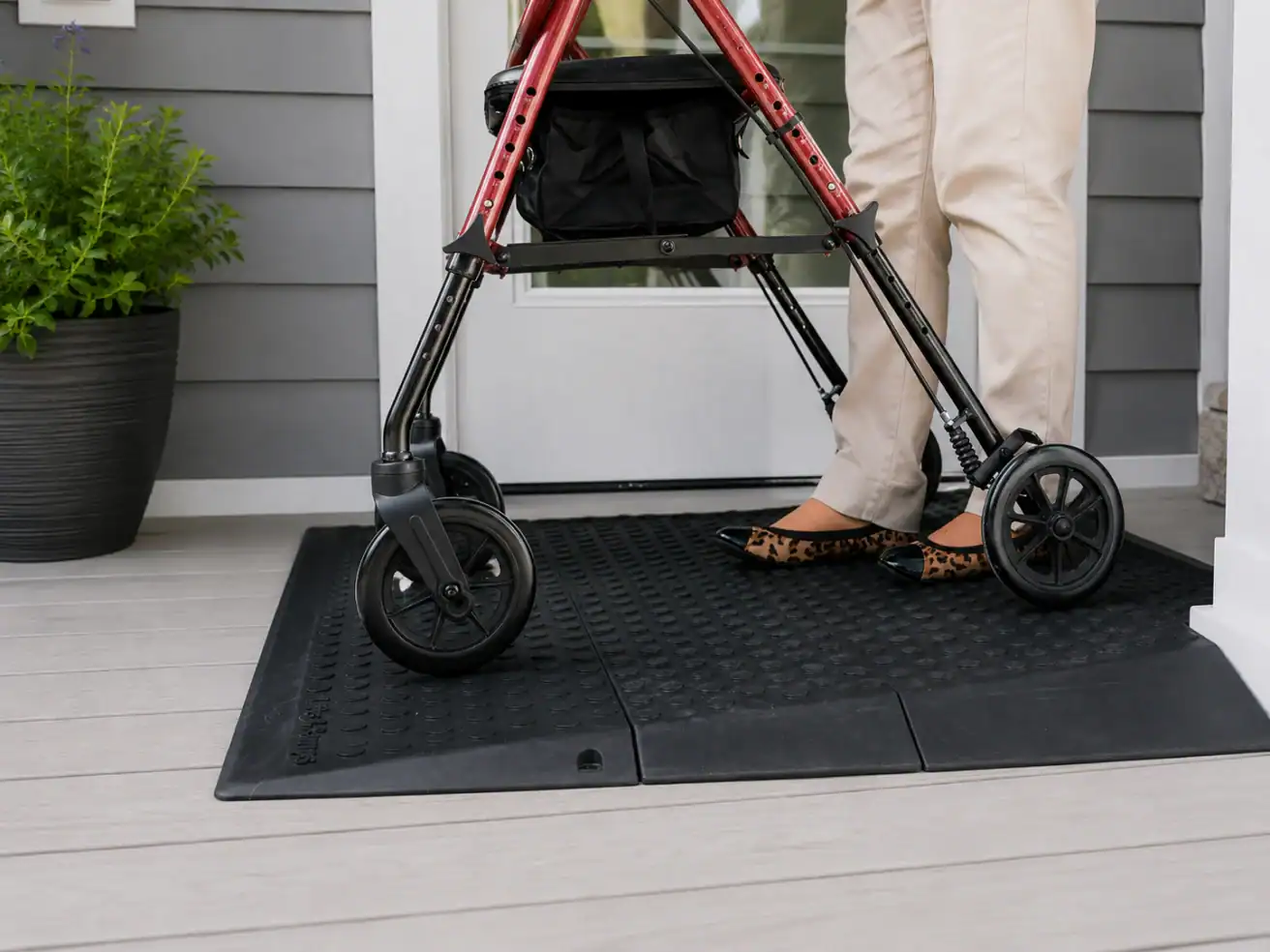
Heavy rain can change how a ramp performs in just one day. A surface that felt stable before a storm may become slick, collect debris, or develop drainage issues that make daily entry harder and less predictable.
That is why wheelchair ramp maintenance in Abbeville should include a simple post-rain review. A quick check can help you spot small issues before they turn into a bigger safety concern for a wheelchair user, scooter user, caregiver, or anyone relying on the ramp for daily access.
Why wheelchair ramp maintenance in Abbeville matters after heavy rain
Rain does not just make a ramp wet. It can also carry mud, leaves, pine straw, and other debris onto the surface. It can expose drainage problems, make transitions uneven, and reduce traction in areas that already get frequent use.
For many homes, the ramp is part of a front porch, side entry, garage path, or other everyday route. If that route becomes slippery or unstable, basic movement in and out of the home can become more difficult right away.
Start with the ramp surface
The surface is the first thing to check after heavy rain because it affects every trip up and down the ramp.
Look for:
- Slick spots that remain wet longer than the rest of the ramp
- Standing water or shallow pooling
- Dirt or film that reduces traction
- Algae, moss, or residue near shaded areas
- Surface wear that seems more noticeable when wet
If one section consistently stays wetter than the rest, that often points to a drainage issue instead of a one-time weather event.
What a safe post-rain surface should look like
| Checkpoint | What to look for | Why it matters |
|---|---|---|
| Traction | Surface still feels grippy when damp | Helps reduce slipping risk |
| Water movement | Water drains off instead of sitting | Limits slick areas and wear |
| Cleanliness | Leaves, mud, and residue removed | Keeps the full path usable |
| Consistency | No soft, warped, or shifting areas | Supports steadier travel |
Clear debris and review drainage
Debris can build up quickly after a storm, especially around the edges of the ramp, at turns, and near the bottom landing. Even light buildup can affect a wheel path, hide a surface problem, or make cleaning harder later.
Review these areas closely:
- The full walking and rolling surface
- Corners and edges where debris collects
- The space beneath and around the ramp
- The bottom landing where runoff often settles
- The top landing near the door threshold
If water repeatedly collects near the same point, the issue may not be the ramp alone. The surrounding grade, porch area, or entry layout may also need review.
Inspect handrails, edges, and hardware
After the surface, check the support features that help with balance and confidence.
Review handrails for:
- Looseness
- Wobble
- Rust or corrosion
- Connections that look stressed or separated
Also inspect ramp edges, fasteners, and visible hardware. If anything appears shifted, loose, or uneven, do not assume it will “dry out” and go back to normal. Repeated moisture exposure can make small issues worse over time.
Do not overlook top and bottom transitions
A ramp can look fine overall and still feel unsafe where it begins or ends.
Pay close attention to:
- The transition from the ramp to the porch or threshold
- The bottom edge where the ramp meets the walkway or driveway
- Any lip, gap, or height change that feels more noticeable after rain
- Areas where wheels or shoes may catch during entry or exit
These connection points matter because they are where people often slow down, turn, stop, or shift weight.
Quick post-rain wheelchair ramp checklist
Use this simple review after heavy rain:
| Area to review | What to check | Action |
|---|---|---|
| Surface | Slick spots, pooling, residue | Clean and dry if possible |
| Drainage | Water sitting near one area | Monitor and schedule review if recurring |
| Debris | Leaves, mud, pine straw, buildup | Remove fully from path and edges |
| Handrails | Stability, tightness, corrosion | Stop use if support feels unreliable |
| Transitions | Gaps, lips, uneven connection points | Address quickly before regular use |
| Overall access | Whether the ramp feels predictable and steady | Seek guidance if confidence drops |
A simple way to prioritize what needs attention
| Condition | Risk level | Recommended response |
|---|---|---|
| Light debris, no damage | Low | Clean and recheck |
| Minor pooling or repeated damp section | Moderate | Monitor closely and plan a professional review |
| Loose rail, shifting section, uneven transition | High | Limit use and request professional guidance |
When to ask for professional guidance
Some issues can be handled with a basic cleanup. Others point to a larger fit, drainage, or safety problem.
It is smart to ask for professional guidance if:
- Water repeatedly pools in the same place
- The ramp feels more slippery than it should after normal drying time
- A handrail feels loose
- A landing or transition feels uneven
- The ramp has visible wear, movement, or hardware concerns
- Daily use no longer feels smooth or predictable
This is especially important when the ramp supports routine access for a wheelchair, walker, scooter, or caregiver-assisted movement. In those situations, a small issue can affect safety every day.
Practical maintenance habits for rainy weather ramp access
For better rainy weather ramp access, keep maintenance simple and consistent:
- Check the ramp soon after heavy rain
- Clear debris before it gets packed down
- Pay attention to any recurring wet or slick area
- Recheck handrails and transitions, not just the middle of the ramp
- Treat changing performance as a signal to investigate, not ignore
Good porch ramp care is often less about major repairs and more about catching smaller problems early.
FAQ
How often should a wheelchair ramp be checked during rainy periods?
After any heavy rain, it is worth doing a quick visual and physical review. During wetter stretches, more frequent checks can help catch buildup, pooling, or hardware concerns earlier.
What is the most important part of accessible entry maintenance after a storm?
The most important priority is making sure the ramp remains safe to use. That means checking traction, clearing debris, reviewing drainage, and confirming the transitions and handrails still feel stable.
Can standing water damage a ramp over time?
Repeated pooling can contribute to wear, reduce traction, and signal drainage problems around the ramp or landing area. If the same area stays wet after multiple storms, it should be reviewed.
What should families in Abbeville watch for first?
Start with the basics: slippery surfaces, blocked drainage, debris buildup, loose handrails, and uneven connection points at the top or bottom of the ramp.
When is it time to stop using the ramp until it is checked?
If the ramp feels unstable, the handrails move, a transition becomes uneven, or the surface no longer feels reliably safe, it is best to limit use and get professional guidance.
Keep ramp safety in Abbeville practical and proactive
A wheelchair ramp does not need to look severely damaged to become less safe after heavy rain. Often, the early warning signs are subtle: a slick section, recurring pooling, debris that collects in the same place, or a transition that no longer feels smooth.
If your ramp feels different after recent weather, now is a good time to take a closer look. For help reviewing ramp safety in Abbeville, exploring rainy weather ramp access concerns, or getting guidance on accessible entry maintenance, visit the Lafayette location page or learn more about ramp solutions.
Book a Free Consultation to get local guidance on safer, more reliable home access.