Threshold Ramps 101: Eliminating the Tripping Hazard at Your Front Door
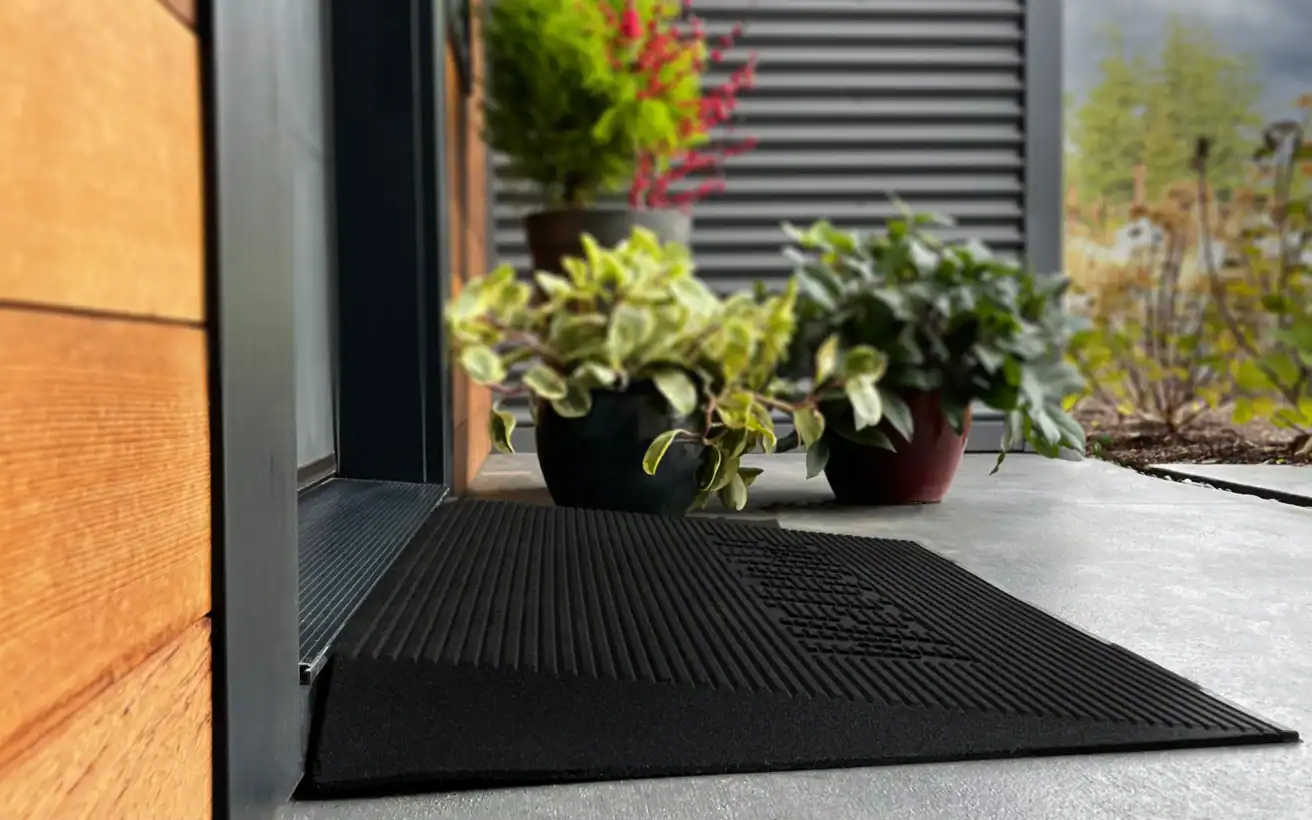
A raised threshold isn’t just a bump in the floor. For many families, it’s the line between staying safe at home or facing another trip to the ER. A single inch at the front door can stop a walker, catch a wheelchair, or cause a parent to stumble when coming in with groceries.
You want peace of mind. You want real solutions and not just reminders to “watch your step.” With the right threshold ramp, you keep your home accessible, your routine uninterrupted, and your freedom intact.
Let’s walk through why these small barriers are such a hidden hazard and how threshold ramps from 101 Mobility offer a safe, dignified fix for aging at home.
Why Front Door Thresholds Become Tripping Hazards
A threshold tripping hazard is any raised strip or step at your doorway, creating a sudden change in surface. For anyone using a walker, a wheelchair, or simply moving more carefully, these “bumps” are a risk.
Numbers drive it home: each year, more than 1 in 4 older adults falls. Nearly 3 million wind up in the ER, and over 38,000 lose their lives from falls in a single year (CDC). But a new ramp isn’t just about numbers. It’s about taking back the confidence to move without second-guessing every doorstep.
The U.S. Access Board makes it clear: any change in elevation greater than half an inch along an accessible route needs a ramp. Threshold ramps aren’t just for elderly parents; they help everyone from strollers to delivery drivers to anyone with limited vision.
Explore other home safety tips:
- Falls Prevention: 5 Ways to Make Your Home Safer
- Common Trip Hazards & Fall Prevention: Room-by-Room Home Safety
Measuring for a Perfect Threshold Ramp Fit
A good fit means more than “almost flush.” Even a quarter-inch gap can create a new hazard. Here’s what to measure before you shop:
- Vertical Rise: The distance from the ground to the top of the threshold. Measure both inside and out if you want ramps on both sides.
- Door Width: The space from one side of the doorway to the other. Your ramp should fit the whole width, so no catching on the sides.
- Door Swing Clearance: Does the door have room to swing over the ramp? Only a truly flush fit keeps your entry smooth.
The U.S. Access Board’s standard: for every inch of rise, you want 12 inches of ramp. That’s a 1:12 slope.

Picking the Best Threshold Ramp Material for Your Home
Not every ramp works for every entry or family. Weather, traffic, and even door types matter. Here’s what’s available and how to choose.
Rubber Threshold Ramps
- Pros: Solid, weighty, no tools needed. Sits flush. Won’t slip, won’t corrode. Cut to exact size on site.
- Cons: Not designed for the very heaviest loads.
- Best For: Busy entries, high traffic, exposed front doors. Fast fix, zero fuss.
Aluminum Threshold Ramps
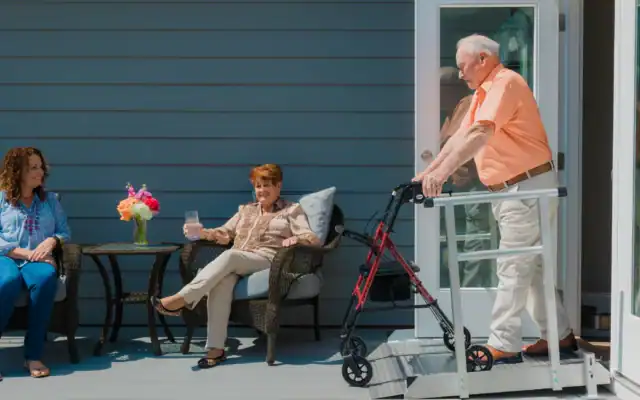
- Pros: Lightweight but strong. Rust-proof. Adjustable legs for that tricky porch. Holds up to 700 lbs; great for power chairs and scooters.
- Cons: Costs a little more and may need hardware.
- Best For: Outdoor use, variable heights, and anyone needing utmost strength.
Multi-Fold Ramps
- Pros: Perfect for navigating stairs, raised landings, and vehicles. Easy to transport, slip-resistant, and the two-axle ramp holds up to 800 lbs.
- Cons: Costs a little more and may need hardware.
- Best For: Outdoor use and for transportation needs.
Material Fast Facts:
- Rubber: All-weather, no tools, trim to fit.
- Aluminum: Durable, adjustable, top weight ratings.
Want more guidance? Read Threshold Ramps: Accessibility for a side-by-side material comparison.
How to Install a Threshold Ramp (Without Renovation Headaches)
Here’s the beauty of threshold ramps from 101 Mobility: no remodel, no days of disruption. Most install in under an hour.
Step 1: Double-check your measurements: height, width, swing.
Step 2: Match ramp material to the environment (outdoor vs. inside, heavy scooter vs. occasional use).
Step 3: Place the ramp snug against your threshold.
Step 4: Secure the ramp. Rubber usually stays by weight alone. For aluminum styles, follow the manufacturer’s instructions.
Step 5: Enjoy a safe entry into your home.
Multi-level layout, unusual landing, or want a professional’s review? Book a free consultation, and we’ll take care of it.
Safety First: Features to Look For
A ramp should solve a problem, not add a new one. When shopping, keep these essentials on your checklist:
- Non-slip Surface: Look for tread or dimple patterns as these are one of the best grip options in wet and dry weather.
- Beveled Edges: Prevent catches, trips, and allow approach from any angle.
- Drainage: Outdoor ramps need channels or ridges to send water away and keep footing firm.
- Weight Rating: Confirm your ramp handles everyone in your home (including powered mobility devices).
All our threshold ramps at 101 Mobility are selected with these safety features in mind.
Related resource:
Simple Maintenance, Years of Safety
Spend five minutes each month. Save yourself a hassle next season.
- Wipe debris from grooves and surfaces.
- Check for curled edges and replace if you see a lip starting.
- Inspect for cracks or loose fasteners, especially after winter.
- Remeasure if your doorway settles or shifts.
Rubber and aluminum are made to last, but nothing beats a quick, regular check.
Your Threshold Ramp FAQ
What ramp material really works best?
There’s no one-size-fits-all. Rubber is easy and tough for most homes. Aluminum is best for big loads or uneven entryways.
How much ramp do I need?
Stick to the 1:12 slope rule. One inch rise equals one foot of ramp length. Always match your doorway width, and never block the swing of the door.
Any ADA requirements I should know?
Yes. For changes in level over half an inch, a ramp is required. ADA calls for a max 1:12 slope, 36 inches width minimum, and, for rises above 6 inches, handrails. Not all homes need full ADA, but safer is always better. Learn more on ADA guidelines.
How do I buy, and what’s the price?
Pricing varies based on ramp size and length. Please reach out to your local 101 Mobility for detailed pricing information. You can also discuss rental options.
Do threshold ramps work outside?
Absolutely. Most rubber and aluminum models are fully weather-resistant. Just check for visible wear after big storms or temperature swings.
Looking for even more home modifications?
Reclaim Your Home. Stay Independent.
With the right threshold ramp, you regain safe, easy movement across your front door. You keep the life and home you love.
Ready for change?
Book a free consultation with 101 Mobility.
Get safe. Stay independent. Live better.
Sources
- Facts About Falls | Older Adult Fall Prevention | CDC
- About Older Adult Fall Prevention | CDC
- Chapter 4: Ramps and Curb Ramps | U.S. Access Board
If you’re searching for “threshold ramps near me,” “front door tripping hazard fix,” or “101 Mobility threshold solutions,” your local experts are ready to help! Call your nearest branch or use our contact page for a fast, friendly consult.