Temporary vs. Permanent Mobility Solutions in Brusly: What Makes Sense for Summer Needs?
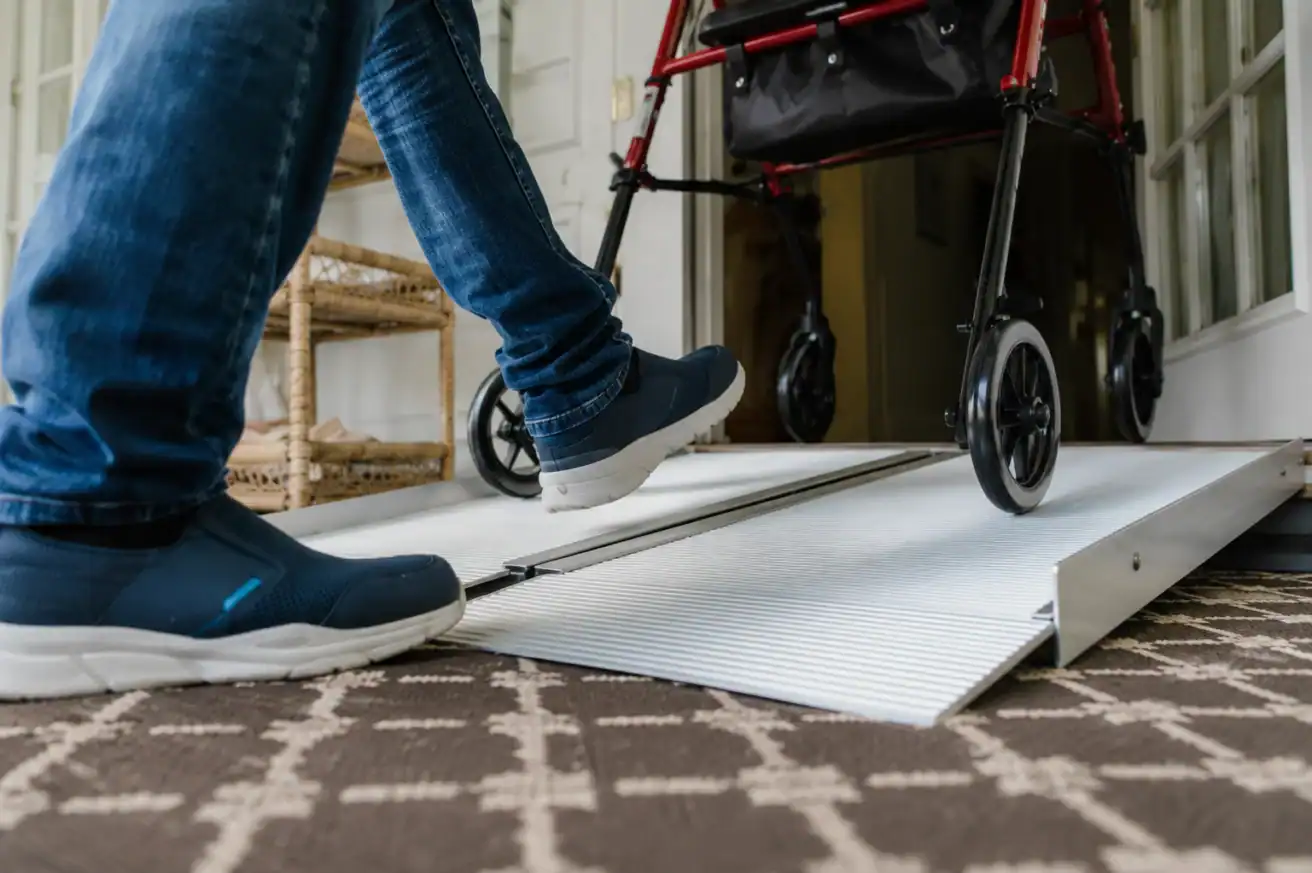
Summer often changes how a home gets used. Family visits increase. Outdoor spaces matter more. Recovery after a procedure may happen at home. For many households, that raises a practical question: should you choose a short-term fix or invest in a longer-term accessibility upgrade?
When comparing temporary mobility solutions Brusly homeowners may consider, the best answer depends on how long the need will last, where the barrier exists, and whether the goal is immediate convenience or lasting safety. In some cases, a temporary approach is enough. In others, a permanent solution avoids repeat stress, repeat costs, and repeat risk.
When temporary mobility solutions in Brusly make sense
A temporary solution usually makes sense when the mobility challenge has a clear end point.
That often includes:
- Recovery after surgery or injury
- A short-term stay from an older parent or relative
- A seasonal change in routine that makes certain parts of the home harder to use
- A trial period before deciding on a larger upgrade
For example, a family may only need easier entry access for a few weeks while someone recovers. Another household may need better support during a summer visit from a grandparent who has trouble with stairs.
In situations like these, the goal is not always to redesign the home. It may simply be to make daily movement safer and less stressful right now.
When permanent accessibility upgrades are the smarter choice
A permanent solution usually makes more sense when the challenge is ongoing, likely to progress, or already affecting daily independence.
That often includes:
- Repeated difficulty using stairs
- Ongoing concerns about falls at entry points or in bathrooms
- Long-term aging-in-place planning
- Multi-level homes that no longer function well for the person living there
- Caregiver strain caused by daily transfers or access barriers
If the same problem keeps returning, a temporary fix can become an expensive and frustrating cycle. A more durable upgrade may be the better long-term decision, especially when safety and independence are the priority.
Permanent accessibility upgrades can also bring peace of mind. Instead of reacting each time mobility changes, the household becomes more prepared for everyday life.
Temporary vs. permanent mobility solutions in Brusly at a glance

How to choose based on the space and the person
The right solution is not just about length of need. It is also about where the barrier exists and how the person moves through the home.
Entryways and steps
If the main problem is getting in and out of the home, the first question is whether the need is temporary or recurring.
A short-term approach may work when someone is healing and needs safer access for a defined period. A permanent upgrade is usually better when front steps, garage entry, or backyard access create a regular obstacle.
This is often where people start researching mobility equipment Brusly families can use to make everyday entry safer and more manageable.
Stairs inside the home
Stairs are one of the clearest dividing lines between a temporary and permanent solution.
If the need is tied to recovery, a short-term plan may be enough. But if someone is already avoiding the second floor, sleeping downstairs, or limiting part of the home because of stairs, that points to a bigger long-term access issue.
Bathroom safety
A temporary concern may call for a simple adjustment during recovery. A permanent concern often points to broader bathroom accessibility planning, especially if balance, strength, or transfer ability is changing over time.
Caregiver support
If family members are doing more lifting, guiding, or assisting, that should not be treated as a minor issue. Even when the original need seems temporary, caregiver strain can make a longer-term solution worth considering much sooner.
A simple decision chart

Questions to ask before you decide
Before choosing between short-term and permanent options, ask:
- How long is this need expected to last?
A defined recovery window usually points one way. An open-ended change in mobility points another. - Is the mobility challenge likely to come back?
Seasonal family visits and recurring health issues can turn a “temporary” issue into a repeating one. - Which part of the home is creating the biggest risk?
Entry steps, stairs, bathrooms, and outdoor transitions usually deserve the most attention first. - Are we solving for convenience, safety, or long-term independence?
The answer helps narrow whether the better fit is short-term support or a permanent upgrade. - Would a consultation save us from choosing the wrong solution?
In many cases, yes. Guessing can lead to mismatched products or incomplete fixes.
Common Brusly summer use cases
Summer tends to surface mobility issues that were easier to ignore during the rest of the year.
Recovery at home
After a hospital stay or procedure, even one or two entry steps can become a daily problem. So can stairs inside the home. When recovery is the main issue, a temporary path may be all that is needed.
Visiting relatives
When older relatives or family members with mobility limitations stay over, the home may need to function differently for a few days or weeks. This is where people often begin looking into accessibility rental options or other short-term ways to improve safety without overcommitting.
Outdoor summer routines
Porches, patios, decks, and garage entries get more use in summer. If outdoor access becomes difficult, that may reveal a short-term seasonal issue or a larger year-round barrier.
Long-term planning that becomes urgent
Sometimes summer exposes a problem that is not really seasonal at all. A person may be managing, but extra movement, extra visitors, and extra use of the home make the underlying access issue impossible to ignore. That is often the right moment to discuss permanent accessibility upgrades instead of waiting for a fall or injury.
Why expert guidance matters
Accessibility decisions are rarely one-size-fits-all. The right answer depends on the home, the person, the timeline, and the long-term goal.
101 Mobility positions its service around identifying the mobility challenge, recommending the right solution, and guiding customers from consultation through installation and support. Its Baton Rouge location highlights a range of accessibility solutions including stairlifts, wheelchair ramps, home elevators, platform lifts, bathroom safety solutions, patient handling solutions, and transportation-related mobility products.
That matters because the wrong solution is not just inconvenient. It can leave the real barrier in place.
If you are comparing temporary fixes with longer-term upgrades, start with the main issue you want to solve: safer entry, easier stair access, better bathroom use, or more sustainable daily living at home. From there, it becomes much easier to decide what makes sense for this summer and what makes sense for the years ahead.
For readers who want to explore available solutions, link naturally to the Baton Rouge 101 Mobility location page and the free consultation page.
FAQ
What are temporary mobility solutions in Brusly usually used for?
They are most often used for short-term recovery, temporary changes in routine, visiting relatives, or situations where a household needs safer access for a limited period.
When should I choose a permanent accessibility upgrade instead?
A permanent upgrade usually makes more sense when the mobility issue is ongoing, likely to return, or already affecting daily safety and independence.
Are summer mobility needs really different from the rest of the year?
They can be. Summer often brings more visitors, more outdoor activity, and more movement through porches, patios, garages, and entryways. That can make access barriers more noticeable.
What if I am not sure whether the need is temporary or long term?
That is usually the best time to get a professional assessment. A consultation can help you avoid choosing a solution that is too limited or too involved for your situation.
What kinds of mobility equipment in Brusly homes commonly need evaluation first?
Entry access, stairs, bathrooms, and areas where caregivers help with movement are often the first places worth reviewing.
Book a Free Consultation
If your household is weighing short-term summer support against a longer-term accessibility plan, the best next step is to get expert guidance based on the home, the person, and the timeline.
Book a Free Consultation to talk through your options and find the solution that makes the most sense now and later.