If you are exploring mobility solutions for a loved one, deciding between renting or purchasing equipment is a crucial crossroads. 101 Mobility specializes in guiding families through this process by matching your specific timeline and budget to the ideal accessibility plan. Whether you need a short-term fix during medical recovery or a permanent home modification, understanding the financial and practical differences will help you make the right choice for your family’s independence.
Key Points To Consider
- Because the installation for a rental can often be completed in just 24 to 48 hours, it’s an incredibly practical solution for those urgent, post-surgery situations.
- Generally speaking, the financial break-even point where buying a stairlift becomes more cost-effective than continuing to rent is somewhere around the 18 to 24-month mark.
- You’ll find that most rental agreements have a minimum term, often one to three months, but can extend up to two years, after which many companies offer a more flexible rolling contract.
- Renting really shines in situations like a post-surgery recovery period, when you’re temporarily caring for a relative at home, or if you simply want to try out a lift first.
Understanding Stairlift Rental
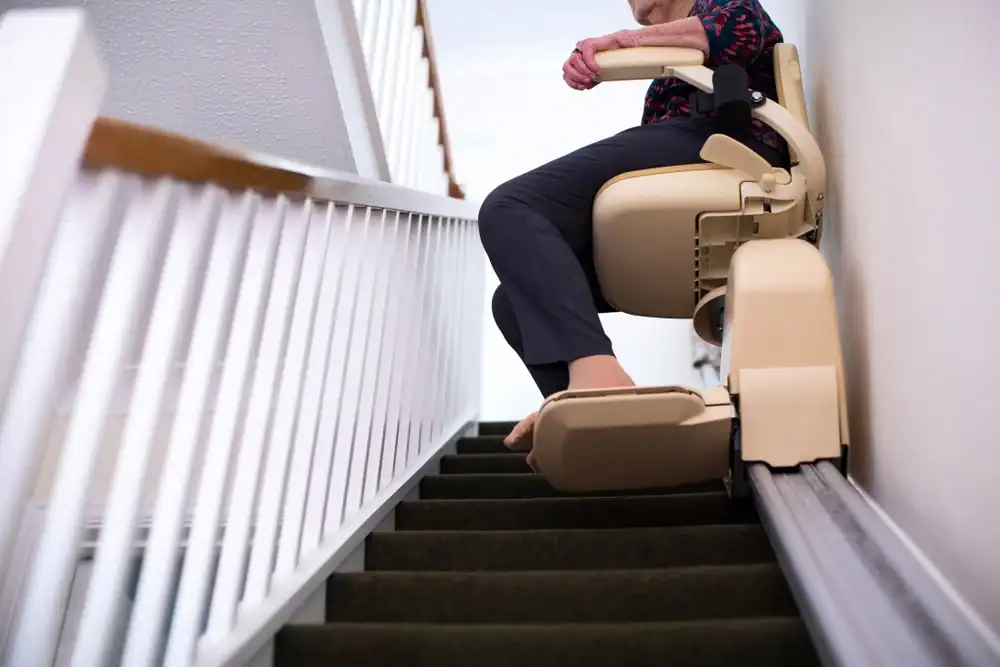
At its core, a stairlift rental in Reading, is a straightforward service where a provider like us handles everything: we install a stairlift in your home, take care of all the maintenance while you’re using it, and then come back to remove it once it’s no longer needed.
This approach allows you to avoid a large upfront purchase price in favor of a monthly fee, which usually bundles in the cost of installation, regular servicing, and even 24/7 support, though the final price will depend on your staircase, contract length, and the coverage you choose.
The main idea behind a rental is that you’re not just getting a piece of equipment; you’re getting a complete service from a provider who manages the entire process. A standard agreement will almost always cover the initial installation, any necessary maintenance visits, and the full removal at the end of the contract, all bundled into that single monthly fee. These agreements usually have a minimum term, maybe one month, maybe three, and can run for up to two years, after which it’s common to switch over to a more flexible rolling monthly contract if you still need the lift.
When is Renting a Stairlift Ideal?
Honestly, renting a stairlift usually makes the most sense when you’re dealing with a temporary mobility issue or when the upfront cost of buying one just feels too steep for your current budget.
For example, if you or a loved one is recovering from something like knee surgery, dealing with a short-term health condition, or even just hosting a family member with limited mobility for a few months, renting gives you a safe, reliable lift without the long-term financial commitment.
The installation can often happen within a day or two, you avoid that big upfront payment, and the provider simply removes it when you’re done. When you do the math, buying only really starts to make more financial sense if you anticipate needing the stairlift for longer than 18 to 24 months.
Pros and Cons of Buying a Stairlift
Deciding to buy a stairlift is a significant long-term investment in your home and, more importantly, in your independence. The initial cost is certainly higher than renting, often falling somewhere between $3,000 to $10,000 depending on the complexity of your staircase and the features you need. The upside, of course, is that once it’s installed and paid for, it’s yours, with no ongoing monthly fees to worry about. Over the course of several years, buying will almost always cost less than renting for that same period.
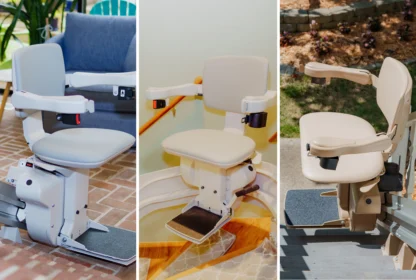
Ownership also opens the door to genuine customization. While rentals are typically standard models, a purchased unit can be tailored for tricky curved staircases, narrow hallways, or specific weight requirements. We can work with you to choose seat styles, rail finishes, and control types that are a perfect match for the person who will be using it, which is a level of personalization a standard rental model just can’t offer.
Long-term Benefits of Owning a Stairlift
Beyond the immediate comfort and safety, a purchased stairlift can sometimes add value to your home, particularly in communities where aging-in-place features are becoming more sought after by potential buyers. As the owner, you have the option to leave the equipment with the property when you sell, or you could potentially resell it through a certified dealer.
If you’re trying to weigh your options, the rule of thumb we often share with clients is pretty simple: buying tends to become the more cost-effective choice if you anticipate needing the unit for more than 18 to 24 months. We’re always happy to help you walk through that decision with a low-pressure consultation, just to make sure you land on the path that feels right.
Cost Comparison: Rental vs. Purchase
Getting a clear picture of the financial side of a stairlift decision can really help before you commit to anything. A stairlift rental will generally run you between $75 and $200 per month, a fee that’s designed to cover not just the equipment but also the installation, servicing, and eventual removal. On the other hand, buying a straight stairlift typically involves an upfront cost that starts around $2,500 to $5,000, though models for curved staircases can be significantly more expensive.
If you or someone in your family is facing a few months of recovery after surgery or a temporary change in mobility, renting is almost always the smarter financial choice. It makes sense because the installation is quick, you don’t have to make a huge financial outlay all at once, and the removal is completely handled by the provider. For long-term or permanent needs, however, the financial logic flips, and buying usually wins out after that 18 to 24-month mark, as the cumulative rental fees will eventually surpass the one-time purchase cost.
How to Decide: Key Considerations
Ultimately, choosing between renting and buying a stairlift comes down to the practical factors of your own unique situation. Before you make a final decision, it helps to think through a few key points.
- Duration of need: This is the big one. Renting a stairlift is designed for short-term needs like a three-month recovery period after surgery, whereas buying makes more financial sense if you expect to need the unit for more than 18 to 24 months. It’s worth being honest with yourself about the likely timeline.
- Your family and home: Think about how many people use the staircase every day. Are the stairs straight or do they have a curve or landing? You should also consider how long you plan to stay in the home, since a purchase is a bigger commitment to the property.
- Get a professional opinion: I always recommend having a conversation with a trusted local provider before you make a choice. A professional assessment from someone who can see your actual staircase provides peace of mind and often brings up important details you might have missed on your own.
If you or a loved one is still on the fence about which route makes the most sense, just give us a call. We can help you figure it out together when you contact 101 Mobility today!