Home Recovery Accessibility in Gretna: Planning Ramp Access After Surgery Before the Trip Home
When someone is coming home after surgery, I want to know whether the home will work before the vehicle pulls into the driveway.
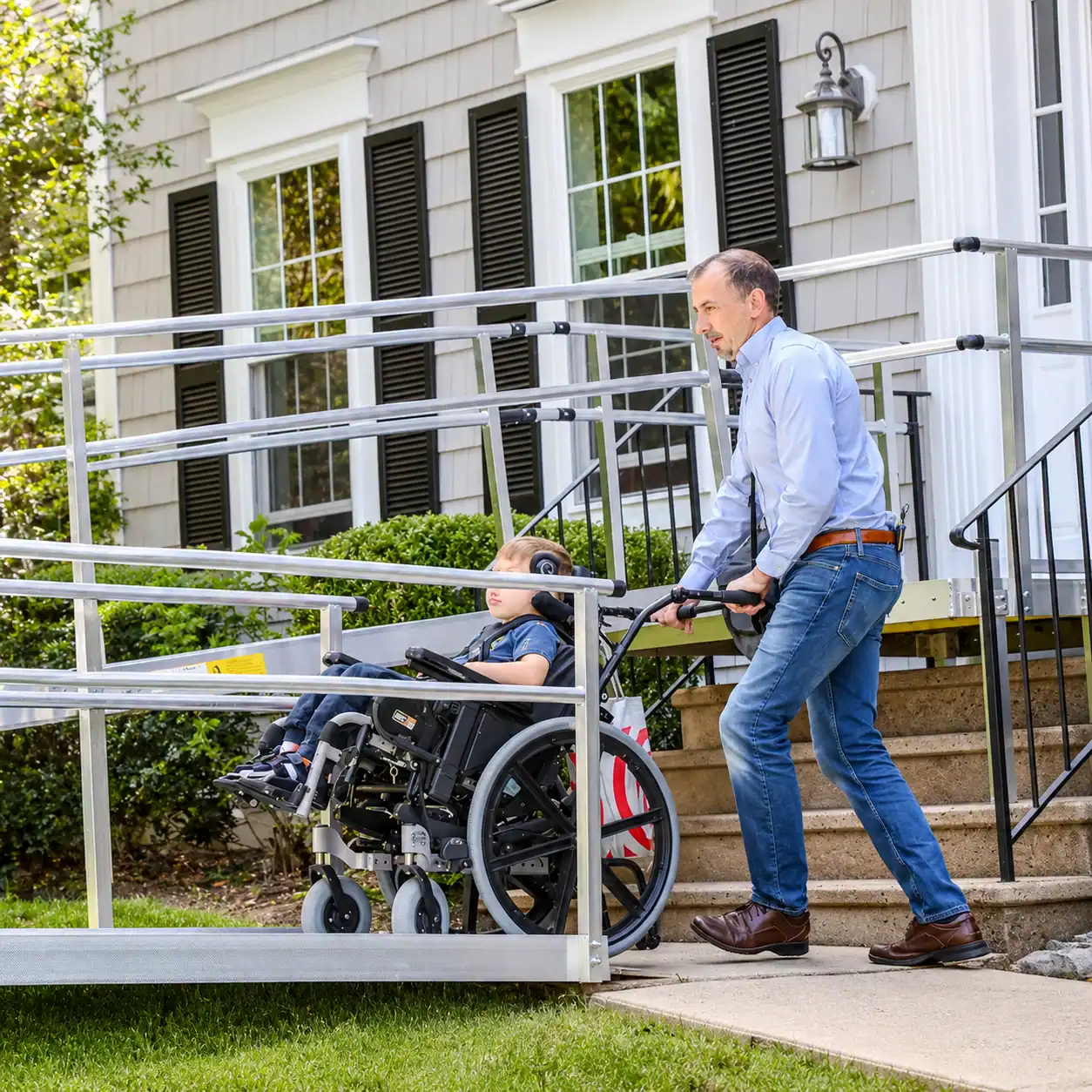
For home recovery accessibility in Gretna, that means looking beyond the front steps. I review the route from the vehicle to the door, the height of the entry, available ramp space, the mobility device the person will use, the landing, drainage, and how much room a caregiver may need.
Then I look inside.
Can the person reach the bedroom and bathroom without dealing with another difficult threshold or obstacle?
That full route matters more than simply saying, “We need a ramp.”
What I Review for Home Recovery Accessibility in Gretna
A successful return home starts with understanding how the person will actually move through the property.
Here are the seven things I review first.
1. The Discharge Schedule
The first question is simple: When is the person coming home?
After an unexpected surgery or change in mobility, families may have only a limited window to prepare.
Whenever possible, I recommend looking at the entry before discharge day. That gives us time to identify the problem, determine what type of access solution makes sense, and coordinate the next steps.
The goal is to avoid discovering an inaccessible entrance when the person is already trying to get home.
2. The Route From the Vehicle to the Door
I start where the trip home will actually end — at the vehicle.
Which driveway or parking area will be used? Is the front door the easiest entrance, or would a garage or side entrance create a simpler route?
I look for:
- Steps
- Uneven transitions
- Narrow walkways
- Changes in elevation
- Tight turns
- Difficult doorways
- Loose or obstructed surfaces
This is especially important for post discharge home access in Gretna because the entrance a family normally uses may not be the easiest entrance for someone using a walker or wheelchair.
Sometimes changing the route solves part of the problem before equipment is even selected.
3. The Entry Rise and Available Space
Next, I look at how much elevation needs to be overcome and how much usable space is available.
A single threshold creates a very different problem from several exterior steps.
That distinction helps determine whether the home needs an Aluminum Modular Ramp, a Multi-Fold Ramp, or a Rubber Threshold Ramp.
The ramp needs to match the actual barrier.
4. The Mobility Device
I also want to know what the person will be using when they return home.
Will they be walking with assistance? Using a walker? A manual wheelchair? A power wheelchair?
That affects how I think about the approach, ramp, doorway, and turning space.
It also affects caregiver access. If another person will regularly provide assistance, the route needs to work for both people rather than barely accommodating the mobility device.
5. The Landing and Doorway
Reaching the top of a ramp is only useful if the person can comfortably get through the door.
I review the landing at the entrance and ask:
- Is there room to approach the door?
- Can the door open without blocking the route?
- Is another threshold waiting at the doorway?
- Does the wheelchair have enough room to turn if necessary?
- Can a caregiver assist without standing on a step or narrow edge?
These details can be easy to overlook when the obvious problem is a set of stairs.
6. Drainage and Outdoor Conditions
Outdoor access also means thinking about water.
I look at where rainwater drains, whether water tends to collect around the entrance, and whether downspouts or low areas affect the proposed route.
The objective is not simply to install equipment. It is to create a practical route that makes sense for everyday use.
7. Caregiver Access
After surgery, the person returning home may need more help than they did previously.
That makes caregiver access part of the plan.
A route that technically accommodates a wheelchair may still be uncomfortable if a spouse, adult child, or caregiver has nowhere to stand or move while providing assistance.
I try to consider both the person using the mobility equipment and the people helping them.
Which Ramp Fits a Gretna Recovery Plan?
Different ramps solve different problems.
| Ramp Type | When I Consider It | Best Fit |
|---|---|---|
| Aluminum Modular Ramp | The home has exterior steps or a larger elevation change and needs a defined entry route | More established wheelchair or walker access |
| Multi-Fold Ramp | Portability and flexibility are important | Certain shorter-term or portable access needs |
| Rubber Threshold Ramp | A small doorway lip or minor transition remains | Thresholds and small elevation changes |
Aluminum Modular Ramp
An aluminum modular system is usually the first category I consider when several steps or a larger exterior rise create the main barrier.
These systems can be configured around the home and include continuous handrails and slip-resistant surfaces.
They can also be useful when the recovery period is uncertain and the family wants a more substantial entry solution.
101 Mobility also offers modular ramps that can be installed for temporary needs and removed when they are no longer required.
Multi-Fold Ramp
A multi-fold ramp is designed with portability in mind.
It can make sense when the barrier and mobility needs are appropriate for a portable solution, particularly when the ramp may need to move or travel with the user.
I would not choose one simply because it is portable, though.
The height of the obstacle, available space, mobility device, and how frequently the route will be used all matter.
Rubber Threshold Ramp
A rubber threshold ramp addresses a much smaller problem.
It can create a smoother transition over minor doorway rises for people using walkers, wheelchairs, and other mobility devices.
A threshold ramp is not a substitute for a larger ramp system when multiple exterior steps need to be addressed.
That distinction is important when preparing a home quickly: choose the ramp for the barrier, not simply the smallest product that looks convenient.
When a Ramp Helps Make the Return Home Work
A customer named Kim G. described the ramp installed after emergency surgery as a “life-changer.”
That is a useful example because the value of a recovery ramp is not just the equipment itself.
It is being able to come home to an entrance that has already been considered.
For a Gretna family preparing for discharge, I would turn that idea into four practical steps:
- Confirm when the person is coming home.
- Measure and review the entrance before that date.
- Choose the correct ramp category for the actual barrier.
- Make sure the accessible route continues once the person gets through the door.
A good outcome starts with preparation.
Do Not Stop Planning at the Front Door
The ramp may solve the most obvious problem, but surgery recovery safety does not end at the entrance.
Once inside, I want to know which rooms the person actually needs.
The route to the bedroom and bathroom deserves particular attention.
Look for:
- Small interior thresholds
- Narrow furniture arrangements
- Loose rugs
- Cluttered walkways
- Tight turns
- Doors that restrict usable space
The Agency for Healthcare Research and Quality provides fall-prevention resources for patients and families that reinforce the value of involving patients, families, and caregivers in individualized safety planning.
Your medical team should determine the person’s clinical recovery instructions. My role is to help make sure the home-access side of that plan is practical.
Temporary Mobility Solutions or Longer-Term Access?
Not every post-surgery accessibility need lasts the same amount of time.
For some people, mobility improves steadily during recovery. Others discover that an accessibility improvement remains useful well beyond the original discharge period.
That is why I discuss both immediate and longer-term needs.
Temporary mobility solutions may make sense when:
- The mobility limitation is expected to change
- The equipment may need to be removed later
- Portability is valuable
- The home only needs assistance at a limited barrier
A more established solution may make sense when:
- A wheelchair or walker will be used for an extended period
- The entrance was already difficult before surgery
- The accessible route will benefit another household member
- The family wants the entrance to remain easier to navigate
A modular ramp can also be worth discussing when the need may be temporary. “Temporary” does not always mean “portable.”
The best choice depends on the home and the expected use.
Pre-Discharge Home Access Checklist
Before someone returns to a Gretna home after surgery, I would review this list.
| Question | Why It Matters |
|---|---|
| When is discharge expected? | Establishes the preparation timeline |
| Which vehicle and entrance will be used? | Defines the real travel route |
| Are there steps between the vehicle and door? | Identifies the primary access barrier |
| What mobility device will the person use? | Helps determine space and ramp needs |
| Is the upper landing usable? | Ensures the person can actually enter the home |
| Are there small doorway thresholds? | Identifies where a threshold ramp may help |
| Where does rainwater collect? | Helps evaluate the outdoor route |
| Can a caregiver move alongside the user? | Supports practical assistance |
| Can the person reach the bedroom and bathroom? | Extends accessibility beyond the entrance |
| Is the solution expected to be temporary or longer-term? | Helps narrow the equipment options |
Families do not have to answer every equipment question on their own.
The purpose of an accessibility assessment is to turn these observations into a workable plan.
FAQs About Post-Discharge Home Access in Gretna
When should we start preparing a home before hospital discharge?
As early as practical. If the person is expected to return home using a walker, wheelchair, or other mobility aid, reviewing the route before discharge can reveal entrance barriers while there is still time to address them.
Which ramp is best after surgery?
There is no single post-surgery ramp that fits every home. Aluminum modular ramps can address larger entry configurations, multi-fold ramps provide portable options for appropriate barriers, and rubber threshold ramps help with small doorway transitions.
Can an aluminum modular ramp be temporary?
Yes. Modular aluminum ramps may be appropriate for temporary installations and can be removed when they are no longer needed. Whether that is the right choice depends on the entrance and expected recovery period.
Is a rubber threshold ramp enough for front steps?
Not when the entrance involves several steps or a significant elevation change. Rubber threshold ramps are intended for smaller transitions. A larger entry barrier usually requires a different ramp configuration.
What should caregivers check before someone comes home?
Look at the entire route from the vehicle to the bedroom and bathroom. Check steps, thresholds, available turning room, doorway access, clutter, and whether there is enough room to assist the person comfortably.
Should we choose a portable ramp because the recovery is temporary?
Not automatically. The appropriate ramp depends on the height and layout of the entrance, the mobility device, available space, and how the route will be used. A modular solution can sometimes be temporary as well.
Prepare the Route Before Discharge Day
Preparing for a return home after surgery should not begin at the front step on discharge day.
The best approach is to review the complete path beforehand — vehicle, walkway, ramp, landing, doorway, bedroom, bathroom, and caregiver space.
If you are preparing a Gretna home for recovery, 101 Mobility of New Orleans can help you assess the entry and compare the right ramp solutions for your situation.
Book a Free Consultation to review the home before the trip back whenever possible.
About the Author
Jonas Boutte is the owner of 101 Mobility of South Louisiana and an accessibility specialist serving Gretna and the Greater New Orleans area. He helps families choose practical ramps, lifts, and other home-access solutions based on the person, the property, and everyday mobility needs.