Porch Lift vs. Ramp in New Iberia: Choosing Access for Raised Entries
A raised porch can turn into a daily obstacle faster than most homeowners expect. What starts as a few entry steps can become a bigger problem when wheelchair access, recovery at home, or long-term mobility changes enter the picture.
If you are comparing a porch lift vs ramp in New Iberia, the right answer usually comes down to space, slope, entry height, and how the entry is used every day. Some homes have enough room for a practical ramp. Others are better served by a vertical platform lift that provides direct access without requiring a long exterior run.
When a Raised Entry Becomes a Daily Access Problem
Many South Louisiana homes have raised entries, porch steps, deck access points, or garage transitions that are manageable until mobility changes. The issue is not just getting inside once. It is doing it safely, consistently, and with less strain every day.
That is why the best choice is not about picking a product first. It is about matching the entry layout to the right solution.
Porch Lift vs Ramp in New Iberia: What Changes the Right Choice
When homeowners compare a porch lift and a ramp, six factors usually matter most:
1. Entry height
A low rise may be handled well by a ramp. As the rise increases, the ramp length required to keep the slope usable also increases. That can quickly affect the yard, walkway, porch area, or driveway access.
A vertical platform lift New Iberia homeowners consider for raised entries can be a better fit when the porch height is significant and the goal is direct up-and-down access.
2. Available space
Ramps need room. Even when modular and well-designed, they still require a footprint that fits the property. Tight side yards, short front approaches, landscaping, fencing, or parking needs can all make a ramp harder to place well.
A porch lift may work better when the layout is compact and the household wants to preserve more of the exterior space.
3. Porch layout
Some porches have enough landing area for a ramp approach. Others have narrow entries, awkward turns, or limited room at the top or bottom. In those cases, the porch layout matters just as much as the height.
A lift can simplify access when a long approach would create too many turns or crowd the entry.
4. Daily use
Think beyond installation. Consider how the solution will be used on ordinary days.
Questions that matter:
- Is the user in a wheelchair or scooter full-time?
- Is a walker also part of the routine?
- Will a caregiver be assisting?
- Does the household need easy entry in rain, heat, or busy morning routines?
For some households, a ramp supports simple daily movement. For others, a porch lift offers more direct and less demanding access.
5. Property flow
A ramp affects how people move around the front of the home. It may change parking flow, sidewalk access, porch furniture placement, or how visitors enter.
A lift may preserve more of the original approach when outdoor space is already limited.
6. Long-term goals
Some families are solving a short-term recovery issue. Others are planning for long-term raised entry access and aging in place. The right answer should fit not just today’s challenge, but the direction mobility needs are likely heading.
When a Ramp Makes Sense
A ramp is often a strong option when:
- The rise is relatively manageable
- There is enough room for a practical slope and landing layout
- The user benefits from continuous rolling access
- The property can support the footprint without disrupting normal use
- The goal is a straightforward exterior solution
For homes with enough space, ramp systems can provide reliable porch access and smooth transitions in and out of the home.
To explore local options, visit the 101 Mobility Lafayette page.
When a Vertical Platform Lift May Work Better
A vertical platform lift may be the better choice when:
- The porch or deck is higher
- Space is limited
- A long ramp would dominate the front entry
- The layout includes tight turns or narrow exterior paths
- The user remains in a wheelchair or scooter during travel
- The household wants direct raised entry access without a large ramp footprint
This is often why homeowners comparing wheelchair ramp options eventually shift toward lift discussions. In tighter spaces, the lift can be the more practical answer.
To review product-category information, see Vertical Platform Lifts.
Quick Comparison Table
| Factor | Ramp | Porch Lift / Vertical Platform Lift |
|---|---|---|
| Factor | Ramp | Porch Lift / Vertical Platform Lift |
| Best for | Lower rises with enough space | Higher rises or tighter layouts |
| Space needed | Larger exterior footprint | Smaller footprint |
| Travel path | Gradual rolling approach | Direct vertical travel |
| Porch layout flexibility | Best with room for runs and landings | Useful where turns and space are limited |
| Daily wheelchair use | Can work well with proper layout | Can work well with direct platform access |
| Visual impact on exterior | More noticeable due to length | More compact at the entry |
| Good fit for raised entry access | Yes, when slope and space allow | Yes, especially when ramp length becomes impractical |
A Simple Way to Think About the Choice
Use this quick guide:
| If the home has… | The better starting point may be… |
|---|---|
| A modest rise and open exterior space | Ramp |
| A taller porch and limited yard space | Porch lift |
| A narrow front entry or tight side yard | Porch lift |
| Plenty of run length and easy landing space | Ramp |
| A need for compact direct access | Vertical platform lift |
| Uncertainty about future mobility needs | Consultation first, then compare both |
Questions to Ask Before You Choose
Before making a final decision, ask:
- How high is the actual rise from grade to entry?
- Is there enough space for a ramp that feels practical, not forced?
- Will the user stay in a wheelchair or scooter during entry?
- Will a caregiver also need room to assist?
- Does the layout need to stay open for parking, walkways, or porch use?
- Is this a short-term fix or a long-term accessibility decision?
Those questions usually make the best path much clearer.
Why a Site Visit Matters
Two homes can have the same porch height and still need different solutions. One may have room for a clean ramp layout. Another may have lot constraints, drainage issues, tight turning space, or daily-use patterns that make a lift the better fit.
That is why a consultation should focus on the actual entry, not a generic recommendation.
FAQ
Is a porch lift or ramp better for a raised entry?
It depends on the rise and the available space. A ramp often works well when there is room for a gradual approach. A porch lift may be better when the entry is higher and the layout is tight.
Can a vertical platform lift be used for porch access?
Yes. A vertical platform lift is often used for raised porch, deck, and garage entries when direct wheelchair access is needed and space is limited.
Is a ramp always the less expensive option?
Not always in practical terms. A ramp may cost less in some situations, but a longer or more complex layout can change that. The better value depends on the property and the footprint required.
What if the entry rise is small?
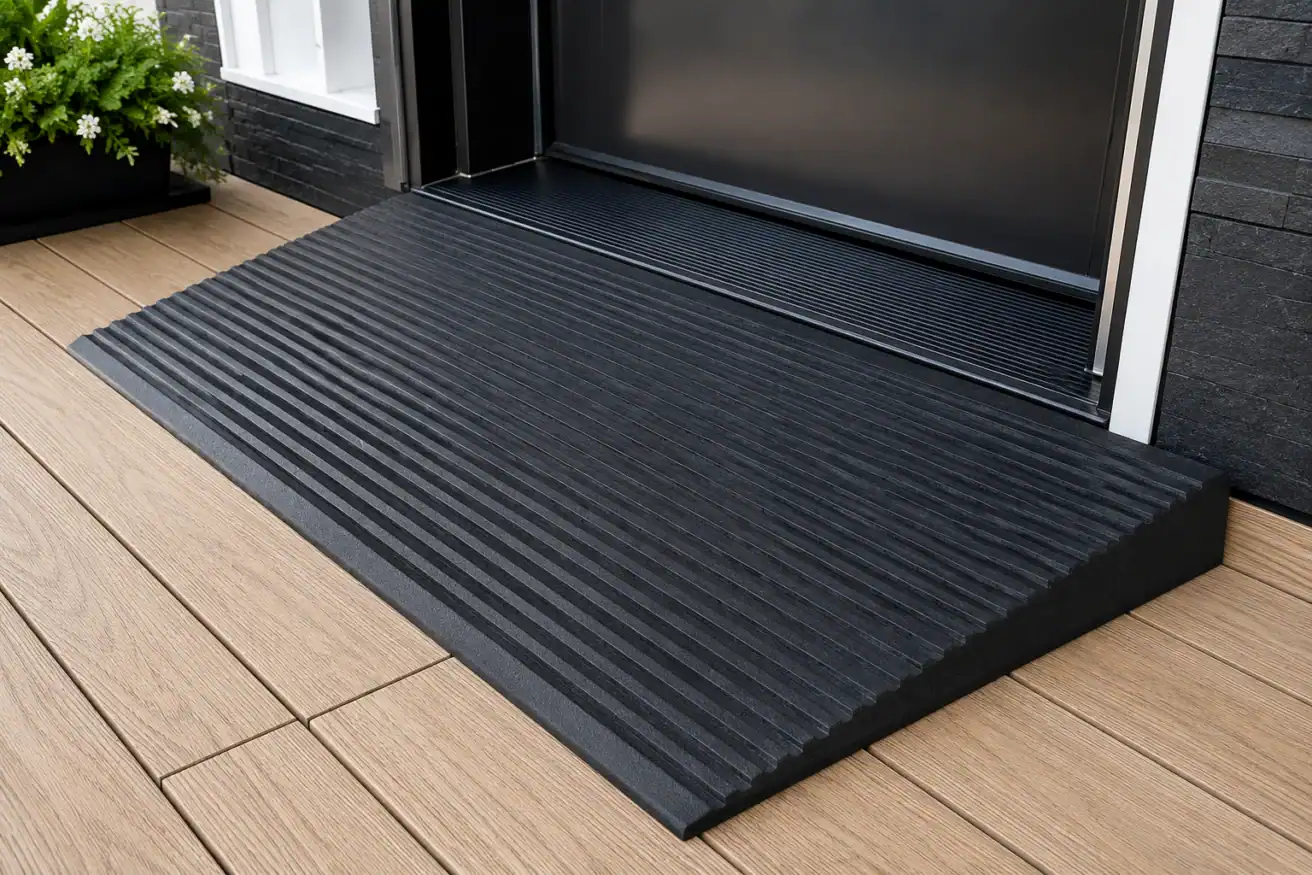
A full lift or long ramp may not be necessary. In some homes, a shorter ramp or threshold-style solution may be enough.
How do I know which option fits my home?
The best next step is to have the entry evaluated in person. Height, layout, daily use, and long-term mobility goals all affect the recommendation.
Book a Free Consultation
If you are weighing porch lift vs ramp New Iberia options, start with the layout of the home and the way the entry is used every day.
Visit 101 Mobility Lafayette for local guidance, or learn more about vertical platform lifts to compare solutions for raised entries, porches, decks, and tight exterior spaces.
Book a Free Consultation to get a recommendation built around your porch height, available space, and daily access needs.