Quick Takeaways:
- A pet-friendly wheelchair ramp benefits both a wheelchair user and a pet with joint issues, though the right fit depends on your pet’s breed, size, age, and comfort level.
- Traction, a gentle incline, and side rails are the features that matter most.
- Leashes, pet gates, and pet beds are the most common things that block a ramp’s clear width.
- Non-slip flooring and clear pathways help pets and mobility equipment share space safely.
- A good home assessment plans around the whole household, pets included.
Needing a ramp or other mobility equipment doesn’t have to mean rethinking life with a pet. A pet friendly wheelchair ramp, along with a few other small adjustments, usually lets both needs coexist without either one being an afterthought.
In fact, a ramp designed with a pet in mind often ends up better for everyone in the house, not just easier to tolerate for the pet.
Who This Guide Is For
Some households feel this more than others. This guide will help most if you have:
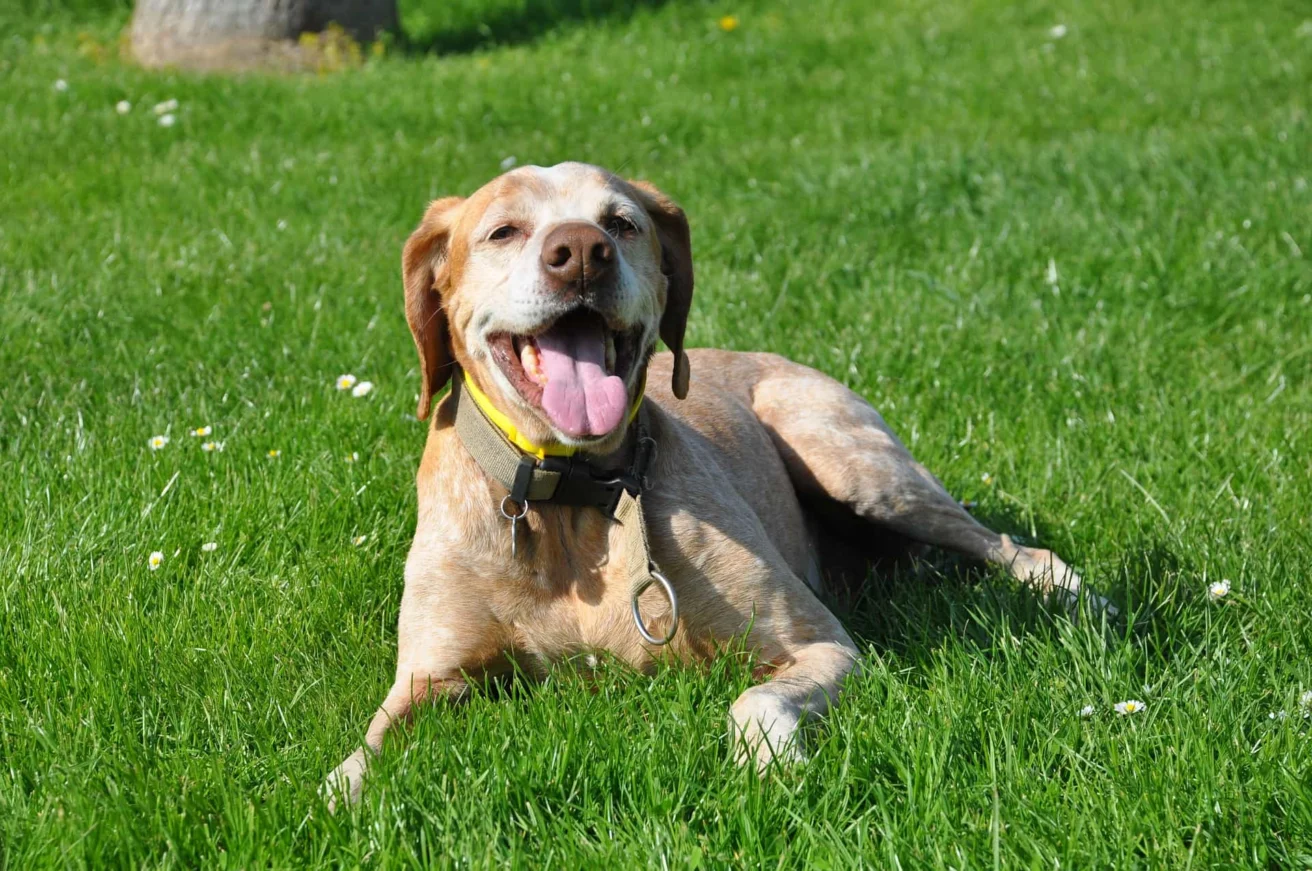
- An older dog with stiff hips or aching joints.
- A small dog or cat that struggles with tall steps.
- A multi-pet home where everyone shares the same entrance.
- A home where a wheelchair, walker, or scooter uses the same doorway your pet does.
- A pet that’s a little anxious on new surfaces or steep climbs.
Why a Pet Friendly Wheelchair Ramp Solves Two Problems at Once
Stairs are hard on aging joints, and that’s true whether those joints belong to a person or a dog. A well-designed ramp with the right incline is often easier on an older or small pet’s hips and knees than the stairs it replaces, which means the ramp isn’t a compromise made for one household member. It’s an upgrade that benefits the whole household.
What Makes a Ramp Actually Pet Friendly
Not every wheelchair ramp works equally well for pets. A few specific features make the difference between a ramp that serves both needs and one that only technically works for one of them.
Ramp Features That Matter Most for Pets
Look for a non-slip traction surface, since smooth metal or wood can be genuinely dangerous for paws, especially in wet weather. A gentler incline than the steepest code minimum is easier on smaller dogs and cats, and side rails or curbing keep a pet from wandering off the edge rather than staying centered on the ramp.
Where Pets and Mobility Equipment Can Conflict
The friction points are usually predictable: a leash getting underfoot near a stairlift, a pet gate blocking part of a ramp’s clear width, or food and water bowls placed right at the base of a ramp or stair landing. None of these require restricting the pet, they just need a little planning around where equipment and pet routines actually overlap.
Accessible Modifications Beyond the Ramp
The same thinking extends past the ramp itself. Non-slip flooring in high-traffic areas helps both a person using mobility equipment and a pet with less steady footing. Keeping pathways clear of pet beds, bowls, and toys matters more once a ramp, walker, or wheelchair is part of daily movement through the house, since what used to be a minor clutter issue becomes a real tripping or blocking hazard.
Get a Home Assessment That Accounts for Your Whole Household
A home accessibility assessment that only considers the person requesting the modification misses half the picture in a house with pets. A thorough assessment from a local expert can account for how everyone moves through the home, pets included, so the ramp, the flooring, and the layout all work together instead of solving one problem and creating another. That’s the heart of personalized, consultation-first service: a plan built around your home, not a template.
| A quick way to check any ramp: walk it yourself, then walk it again imagining a pet’s paws instead of feet. If it feels slick, steep, or narrow either way, it needs adjusting before installation, not after. |
Frequently Asked Questions
Can dogs use the same wheelchair ramp as a person?
Yes, and a ramp built with the right traction and incline is often easier on a dog’s joints than stairs. The same features that make a ramp safe for a wheelchair user, a non-slip surface and a gentle grade, tend to work well for pets too.
What incline is safe for a pet friendly wheelchair ramp?
A gentler incline than the steepest code-allowed minimum is generally easier on smaller or older pets, in addition to being more comfortable for wheelchair users. A home assessment can confirm the right grade for your specific space.
How do I keep a pet from getting underfoot near mobility equipment?
Most of it comes down to placement: keeping pet beds, bowls, and gates away from ramps and stairlift paths so the equipment and the pet’s routine don’t compete for the same space.
Does 101 Mobility consider pets during a home assessment?
Yes. A thorough assessment looks at how everyone in the household moves through the home, pets included, so the resulting plan works for the whole house rather than just one person.
Making a home accessible doesn’t mean choosing between your own mobility needs and your pet’s comfort. The right ramp, the right flooring, and a little planning around daily routines let both coexist without friction.
| 101 Mobility’s home assessments take the whole household into account, pets included, when recommending a ramp or other modification.Schedule a free home assessment with 101 Mobility to find a solution that works for you and your pets. |