Parkinson's Awareness Month: Creating a Safer Home

A Parkinson’s diagnosis often changes how a family can view their living space. Suddenly, a familiar staircase or a narrow hallway can feel like an obstacle. You want your loved one to maintain their independence, but you also worry about their safety.
We understand this is a delicate balance. Our goal is to provide you with actionable advice that helps you manage these unique mobility challenges. By making strategic adjustments to your living space, you can restore confidence and peace of mind for your entire family. In this blog, we’ll help you explore how to empower your family unit, manage specific mobility symptoms, and reclaim your home environment.
What is Parkinson’s Awareness Month?
Parkinson’s Awareness Month is a global campaign held every April, symbolized by the Red Tulip, dedicated to educating the public about the full spectrum of Parkinson’s disease and supporting the 10 million people living with it.

April marks a crucial time for education and advocacy. The mission of this month extends far beyond sharing medical facts. It aims to move past the outdated stereotypes to help people understand the complex reality of living with this condition. The Red Tulip stands as a beacon of hope and a reminder of the global community working together toward a cure.
At 101 Mobility, we remain deeply committed to supporting independence through every stage of this journey. We stand as an empathetic partner ready to help families find reliable, safe equipment for their specific living situations.
Empowering the Caregiver and the Family Unit
Taking on the role of a caregiver brings a unique set of emotional and physical demands. Many families experience the “Caregiver Paradox,” which is the intense struggle between wanting to protect a loved one from harm and respecting their deep need for personal autonomy. You want to help, but you also want to preserve their dignity and freedom.
To ease this burden, rely on professional assessments. Occupational therapists (OTs) and physical therapists (PTs) can evaluate your living space and provide specific recommendations. This expert guidance takes the guesswork out of home safety and ensures you make the most effective changes.
Proactive planning is your best tool. By addressing safety concerns before a fall occurs, you preserve peace of mind for the whole family and create a supportive environment where everyone can thrive.
Navigating the Challenges of “Freezing” and Gait
One of the most distressing symptoms of Parkinson’s disease is the freezing of gait. This sudden loss of mobility can happen without warning and severely disrupts daily life. Common household transitions frequently trigger these episodes. Walking through a narrow doorway, approaching a change in flooring, or reaching the bottom of a staircase can cause a sudden stop.
This symptom creates a ripple effect. The constant fear of freezing often leads to a severe loss of confidence. When someone hesitates or fears moving, their risk of falling increases significantly. To combat this, create a “path of least resistance” within your home layout. Keep walkways wide and clear of clutter. Arrange furniture so that movement flows naturally from one room to the next without tight turns or sudden obstacles. By understanding these triggers, you can design a space that minimizes hesitation and supports steady movement.
Reclaiming the Home Environment
You do not need to rebuild your house to make it safe. Small, thoughtful changes often yield the biggest impacts when reducing fall risks. Remove all throw rugs, as they present major trip hazards and can trigger freezing episodes. You can also apply high-contrast tape to floor transitions to help the brain process changes in depth or texture.
Lighting plays a critical role in Parkinson’s mobility. Shadows can be misinterpreted leading to hesitation, confusion, or falls. Ensure all hallways, staircases, and rooms are brightly and evenly lit.
Create dedicated “Safe Zones” throughout the house. Ensure there is a sturdy place to sit or grab in every room, especially in high-risk areas like the bathroom or kitchen. By shifting from a mindset of limitation to a mindset of adaptation, you empower your loved one to move confidently.
Common Home Modifications Comparison
| Modification Type | Primary Benefit | Implementation Effort |
| High-Contrast Tape | Visual cues prevent freezing at doorways | Low |
| Removing Throw Rugs | Eliminates immediate trip hazards | Low |
| Upgraded Lighting | Reduces confusing shadows and hesitation | Medium |
| Grab Bars | Provides stability in bathrooms/hallways | Medium |
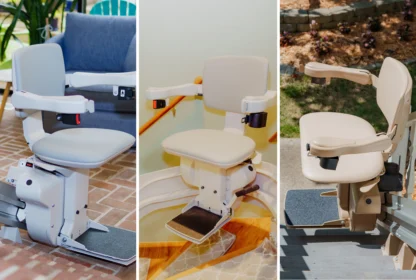
| Stairlifts | Safe transition between home levels | Professional Install |
Get Expert Help Choosing the Mobility Option
Navigating Parkinson’s-friendly home modifications can feel overwhelming, but you do not have to do it alone. The logical next step is to get a professional evaluation of your living space.
We encourage you to schedule a free in-home consultation with our team. Our local experts provide personalized, no-pressure recommendations designed specifically for your home and your family’s needs. Whether you need a simple grab bar or a custom solution for a tight, steep staircase, we are here to help.
Regain your freedom and prioritize safety first. Let us help you find the most reliable, Parkinson ‘s-safe x equipment for your home so your loved one can live independently with affordable peace of mind. Contact 101 Mobility today to schedule your consultation.
Frequently Asked Questions
What is the best way to prevent falls for someone with Parkinson’s?
The most effective approach involves a combination of physical therapy, proper medication management, and strategic home modifications like removing trip hazards and installing proper lighting.
How can I help a loved one during a “freezing” episode?
Remain calm and avoid pulling or pushing them. Encourage them to take a deep breath, look at a specific target on the floor, and step over an imaginary line to restart their movement.
Are stairlifts safe for individuals with Parkinson’s disease?
Yes, stairlifts are safe. They eliminate the risk of falling on stairs, feature secure seatbelts, and are operated with simple controls that accommodate limited mobility.