Split-level homes have a lot of charm, but they can also create one very specific mobility challenge: stairs are built into daily life.
Unlike a traditional one-story or two-story layout, split-level and bi-level homes often have several short stair runs between entryways, living spaces, bedrooms, garages, or lower levels. That can make the home harder to navigate as mobility needs change.
The good news is that there are strong mobility solutions for split-level homes Lafayette homeowners can consider. The right solution depends on the layout of the home, the mobility needs involved, and whether the goal is solving one access issue or planning for broader long-term accessibility.
Why Split-Level Homes Can Be Difficult to Navigate
In many split-level homes, the problem is not one long staircase. It is the constant repetition of small level changes throughout the day.
You may need to go up a short set of steps to reach the kitchen, down another to get to a den, or navigate another run to access bedrooms or a garage entry. Over time, that repeated effort can become tiring, frustrating, and less safe.
That challenge often becomes more noticeable when:
- Balance feels less reliable
- Joint pain makes repeated stair use more tiring
- Recovery from surgery limits stair use
- Carrying items between levels becomes harder
- Wheelchair or scooter access is needed
- Family members want a safer and easier way to move through the home
This is why split-level home mobility solutions matter. The right equipment can help make the home more usable again without forcing a move or a major lifestyle change.
Best Mobility Solutions for Split-Level Homes
The most common mobility solutions for split-level homes usually fall into three categories:
- Stairlifts
- Vertical platform lifts
- Home elevators
Each one solves a different kind of access challenge. The best fit depends on how the home is built and how the user needs to move through it every day.
Stairlifts for Split-Level Homes
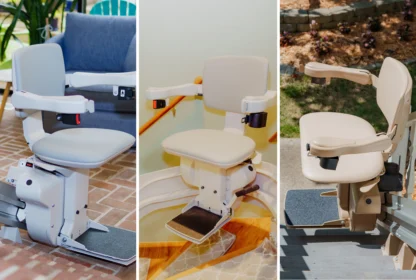
Stairlifts for split-level homes are often the most practical choice when the main challenge is walking safely up and down interior stairs.
A stairlift uses a motorized chair attached to a rail system installed on the staircase. The user rides up or down while seated, which can reduce strain and make daily movement between levels easier.
A stairlift may be a strong fit when:
- The user can transfer on and off the seat safely
- One or more stair runs are used every day
- The goal is easier stair travel without major structural changes
- The home has straight or curved staircases that need support
For many homeowners, this is the most direct way to improve access while keeping the existing layout in place.
If you are exploring options, you can review stairlifts to compare solutions for different staircase types.
Vertical Platform Lifts for Home Access
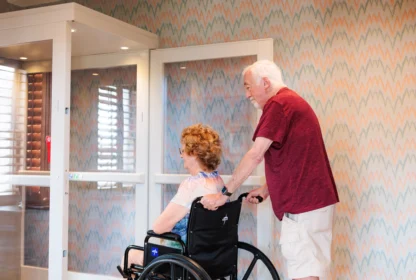
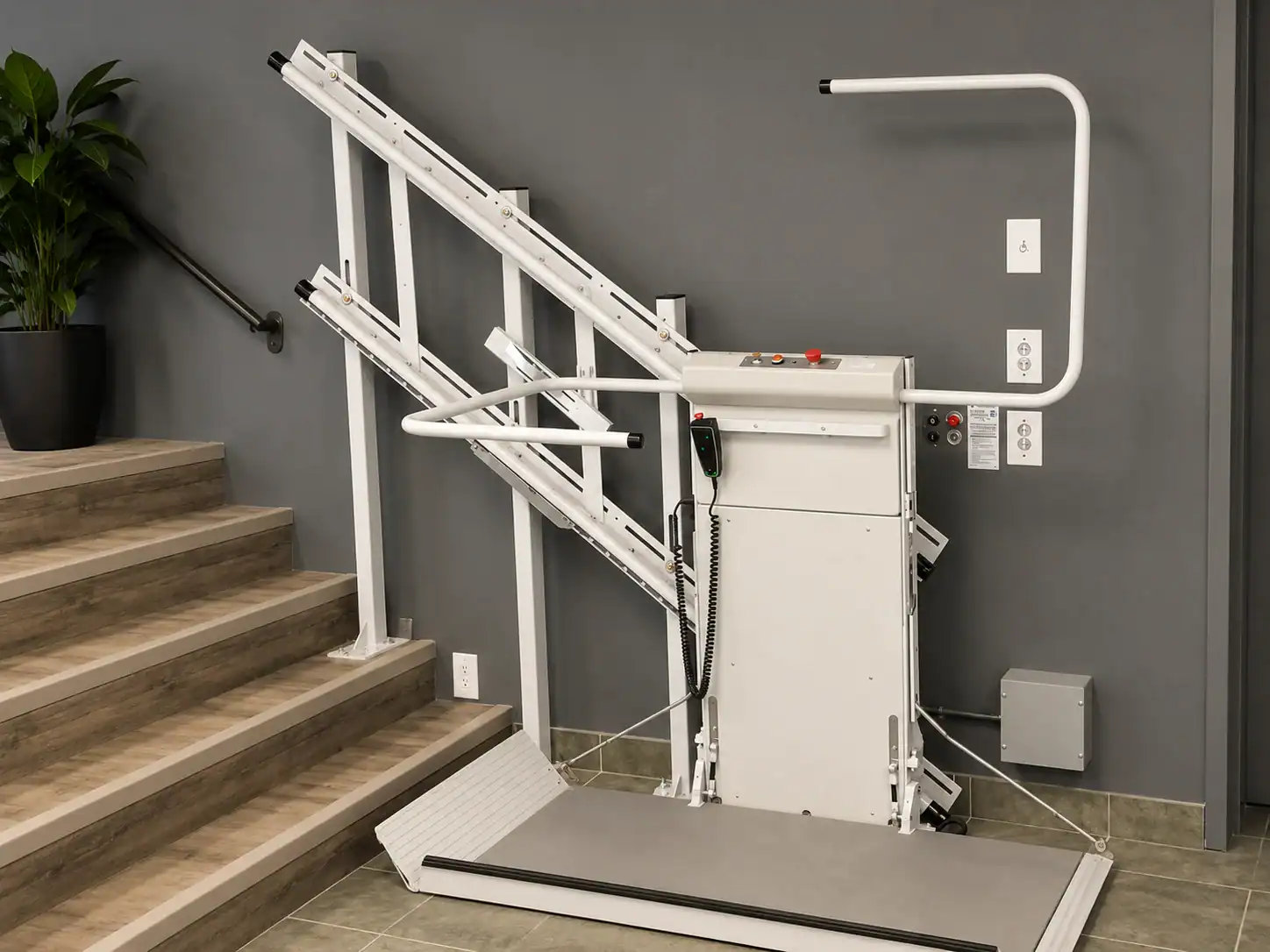
A vertical platform lift for home access may be the better option when the user needs to remain in a wheelchair or scooter while changing levels.
Instead of transferring onto a seat, the user stays on the platform as it raises or lowers between levels. This can be especially helpful when transfers are difficult or when wheelchair access is part of the main accessibility goal.
A vertical platform lift may make sense when:
- Wheelchair or scooter access is required
- The rise between levels is relatively short
- The homeowner wants a direct lifting solution
- Safer access is needed without using a stairlift seat
For some split-level homes, this can work especially well at entry points, garage access areas, porches, or other level changes where direct platform access is more practical.
Home Elevators for Split-Level Homes
A home elevator for split-level home access may be worth considering when the goal is a more complete long-term accessibility plan.
Home elevators can provide smoother vertical transportation between levels and may be the right fit when accessibility planning is part of a broader aging-in-place strategy.
This option may be worth exploring when:
- Long-term accessibility is the priority
- Multiple levels need regular access
- The homeowner wants a more integrated in-home solution
- Comfort and long-range planning matter as much as immediate mobility support
For some homes, a home elevator may be more solution than the layout requires. For others, it can be the best long-term answer.
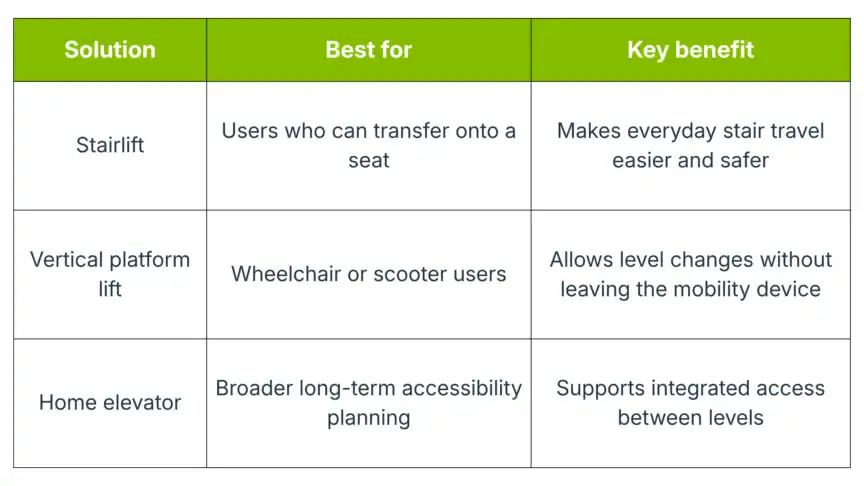
Quick Comparison Table
How to Choose the Right Option for Your Home
The right solution depends on more than product type. It depends on how the home works in real life.
A good starting point is to ask:
- Which set of stairs creates the biggest problem?
- Can the user safely transfer onto a stairlift seat?
- Is wheelchair or scooter access required?
- Is the goal to solve one access point or improve access throughout the home?
- Is this a short-term need, or part of a longer-term plan?
These questions are especially important in bi-level home accessibility planning because every split-level home is different. The best solution is not always the biggest one. It is the one that matches the layout, the daily routine, and the person using it.
If you are not sure where to begin, the 101 Mobility Lafayette team can help explain which options may fit your home best.
Why This Matters for Lafayette Homeowners
Many homeowners in Lafayette want to stay in the homes they know and love. In split-level homes, that often means finding a practical way to reduce the strain of stairs before the challenge becomes more limiting.
The right accessibility solution can improve comfort, support safety, and make movement between levels feel more realistic again. It can also help families plan ahead instead of waiting until mobility issues become more urgent.
FAQ
What is the best mobility solution for a split-level home?
The best option depends on the layout and mobility needs. Common solutions include stairlifts, vertical platform lifts, and home elevators.
Are stairlifts good for split-level homes?
Yes. Stairlifts are often a strong fit for split-level homes when the user can transfer safely onto the seat and needs support navigating interior stairs.
When is a vertical platform lift a better choice?
A vertical platform lift may be the better choice when wheelchair or scooter access is needed without transferring out of the mobility device.
Is a home elevator worth considering in a split-level home?
In some cases, yes. A home elevator can be a strong long-term solution when broader accessibility and aging-in-place planning are priorities.
How do I know which option fits my home?
A consultation is usually the best next step. The right solution depends on your layout, stair configuration, and daily mobility needs.
Get a Free Consultation
If stairs are making your split-level home harder to use, there are solutions designed for homes like yours. The right recommendation can help you compare options clearly and choose the one that fits your layout, your mobility needs, and your long-term goals.
Get a Free Consultation to explore mobility solutions for split-level homes in Lafayette.