How to Make Your Fourth of July Gathering Safe and Accessible for Every Guest
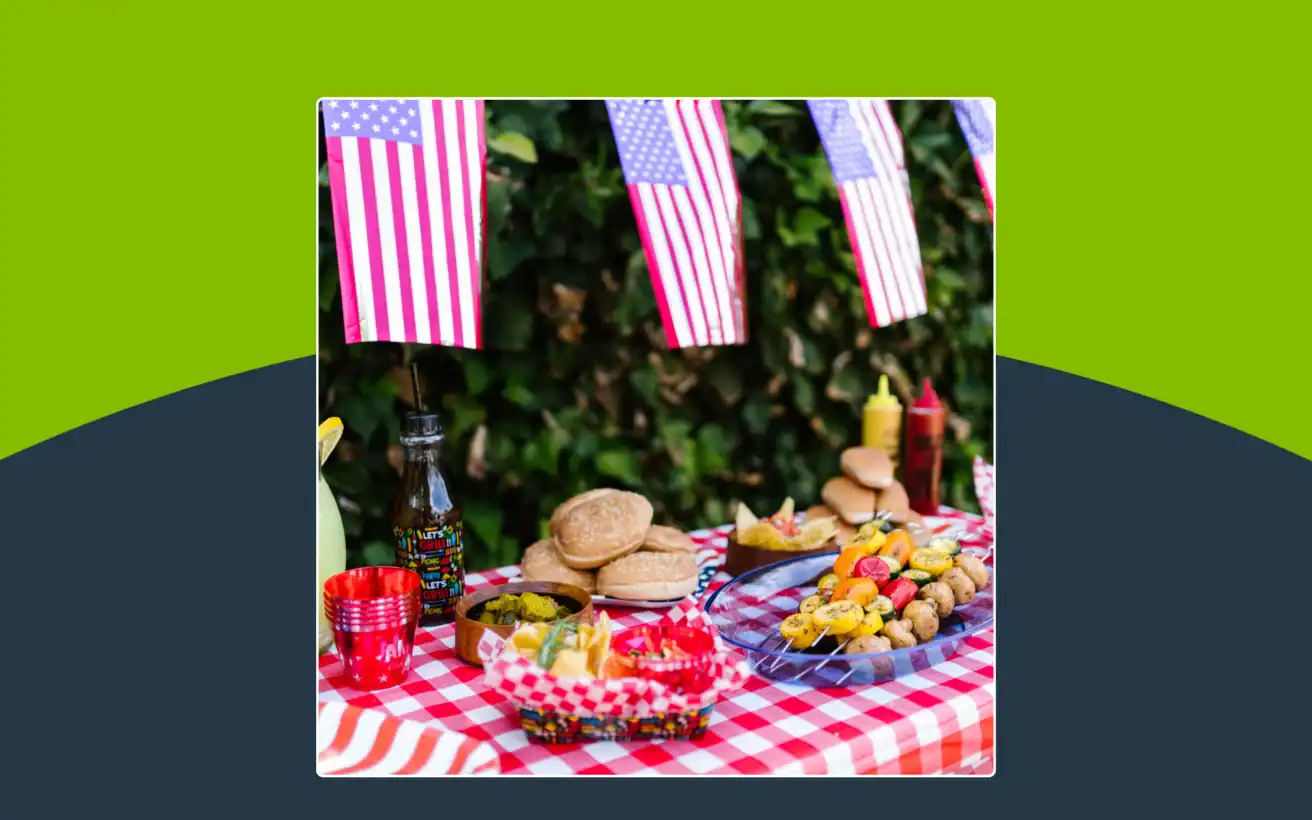
The best Fourth of July celebrations share one thing in common: everyone gets to be part of them. Not just the people who can easily navigate a grassy backyard or climb porch steps.
Accessibility planning is not a specialty skill. It is good hosting. And for most backyard gatherings, the changes required are smaller than you might think. This guide walks through each part of your celebration setup, from layout to seating and food to fireworks, and gives you clear, practical steps to make your Fourth of July gathering more accessible.
How Should You Audit Your Outdoor Layout Before Guests Arrive?
Start outside. Walk the full path a guest would take from their car to the food to a seat. Notice what you step over, around, or up. That walk tells you most of what you need to know.
Pathways and surface type matter more than most hosts realize. According to the University of Kansas ADA Resource Center, aisles need to be at least 36 inches wide to accommodate a wheelchair or scooter. For areas where two people might pass each other, think near food tables or at a main walkway, you’ll want to aim for 60 to 64 inches of clear space. Grass is workable, but soft or uneven ground can be difficult to navigate with a mobility device. Lay down outdoor rubber mats or firm pathway panels over soft patches where possible.
Entry points deserve special attention. If your patio, porch, or deck is raised, even a single step becomes a barrier. A portable ramp or aluminum modular ramp can bridge that gap safely. 101 Mobility offers wheelchair ramps that can be temporarily installed and removed when no longer needed. The ADA guideline for a ramp slope is 1:12, meaning one foot of ramp for every inch of rise. A 6-inch porch step, for example, would need roughly a 6-foot ramp to be safely navigable.
Parking proximity is another easy win. Reserve the closest parking spots for guests with mobility challenges before the event begins. Mark them clearly with a visible note or sign, and ensure the walking path from those spots to the main gathering area is smooth and unobstructed.
Before anyone arrives, clear debris, extension cords, garden hoses, and decorative items from foot-traffic zones. Cords that cross pathways should be covered with a cable cover no more than half an inch thick so wheels and feet can pass over safely.
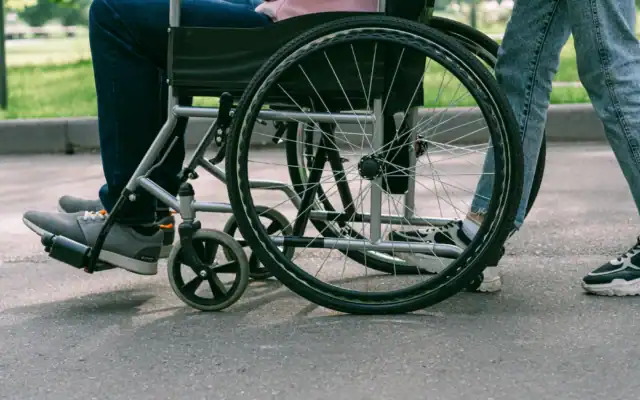
What Type of Seating Works Best for Guests with Limited Mobility?
Standard folding chairs and low-slung lawn chairs are comfortable for some guests but can be difficult for others. For an older adult with hip or knee limitations, a low seat without armrests can be nearly impossible to get up from independently.
A good, accessible seating setup includes:
- Chairs with armrests, which allow guests to push themselves up to standing without relying on another person
- Stable, firm surfaces beneath chair legs (chairs that sink into grass or gravel create a tipping risk)
- A range of seat heights so guests can choose what works for their body
- Open floor space adjacent to seating for guests who remain in their wheelchair or scooter rather than transferring to a chair
Create a shaded rest area near the food and drink station so guests do not need to walk the full length of the yard every time they want a snack or a refill. A canopy with a few sturdy chairs positioned close to the action lets everyone stay part of the conversation without unnecessary navigation.
Reserved seating can also make a huge difference. Designate a few premium spots that provide good sight lines, are close to bathrooms, and near the food. Make sure you make it clear those seats are for guests who need them. That kind of thoughtful hosting communicates care before a single word is spoken.
How Do You Set Up a Food and Drink Station That’s Accessible for Everyone?
A buffet table that works for wheelchair users and standing guests alike follows one straightforward rule: keep the food surface between 28 and 34 inches from the ground. That height is reachable from a seated position and comfortable for most standing guests too. If any food is placed higher, such as on a tiered stand or elevated tray, make sure a portion of that same item is also available at the lower level.
Keep aisles around the food table at least 36 inches wide on all sides so guests with mobility devices can approach from multiple directions. Avoid placing chairs, coolers, or decor items in the traffic flow around serving areas.
A few additional tips for an outdoor party wheelchair accessibility setup at the food station:
- Label everything clearly. Simple, large-print signs identifying what each dish contains help guests with dietary needs make independent choices.
- Pre-plate high-demand items. Ribs, corn on the cob, and similar foods can be difficult to manage while using a mobility device. Pre-plated servings remove that awkwardness entirely.
- Assign a helper. For self-serve setups, having one person stationed at the food table to assist with serving is one of the simplest and most effective accommodations you can offer.
- Place drinks at seated height. A drinks cooler on the ground is hard to access from a wheelchair. Use a table or stand at the appropriate height instead.
Small logistical changes like these protect your guests’ dignity. They allow everyone to eat and drink comfortably without having to ask for help unless they want it.
What Should You Know About Fireworks Safety for Guests with Mobility Limitations?
Fireworks viewing is the centerpiece of most Fourth of July celebrations, and with some basic planning, it can be a great experience for guests of all abilities.
Position guests with mobility limitations in a stable, designated viewing area before the fireworks begin. Once displays start, navigating uneven ground in the dark is genuinely hazardous. Choose a firm, flat surface with clear sight lines, and set up that area early so those guests are settled before the crowd shifts.
Noise is a significant consideration for many guests. Fireworks produce extremely loud sounds, and for guests who are hard of hearing, wearing hearing aids, or sensitive to sensory input, this can be uncomfortable or even painful. Have hearing protection, like foam earplugs, available. They are inexpensive and easy to keep on hand. Let guests know in advance what to expect, so they can bring their own protection if needed.
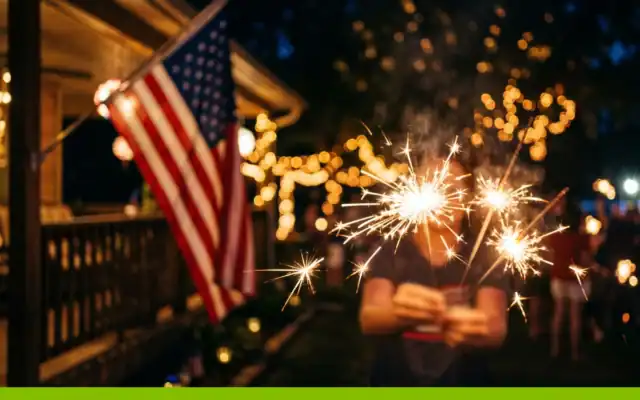
Avoid personal fireworks and sparklers near guests with limited mobility. Falls near open flames are a serious risk. Sparklers in particular burn at around 1,800°F and are widely considered more dangerous than they appear. If you want to involve everyone in the moment, glow sticks, LED wands, and noise-free light-up accessories are fun, fully safe alternatives.
For guests who cannot easily be outside for the full display, set up a comfortable indoor viewing option. A chair near an open door or window keeps them part of the experience without the physical demands of the outdoor crowd.
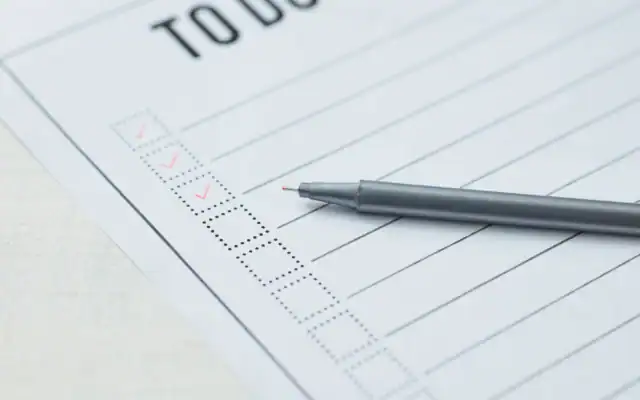
Quick Checklist Before Your Guests Arrive
Run through this list the morning of your gathering:
- ✅ Pathways cleared of debris, cords, and obstacles and make sure they are at least 36 inches wide throughout
- ✅ Entry points addressed with a ramp or threshold solution if steps are present
- ✅ Accessible parking reserved and marked near the main entrance
- ✅ Stable, armrest seating available in shaded areas close to food and activity zones
- ✅ Food tables set between 28 and 34 inches high, with labeled dishes and a helper on hand
- ✅ Drinks accessible at a reachable height, not on the ground
- ✅ Fireworks viewing area identified, firm, and set up before dark
- ✅ Hearing protection on hand for guests who need it
- ✅ Accessible restroom identified and clearly communicated to guests (if using portable facilities, ADA-compliant units are available through most rental providers)
- ✅ A designated point of contact (yourself or another host) that guests know they can approach with any accessibility need
Make Every Gathering More Inclusive Starting This July
None of the steps in this guide require a major renovation or a significant budget. They require about an hour of walkthrough time, a few targeted purchases, and the intention to make every guest feel genuinely welcome.
Accessibility is not a special accommodation reserved for a small group of guests. It is the mark of a thoughtful host and one who considers the full range of people sitting around the table (or the lawn) and plans accordingly.
If your home has steps, uneven entries, or other physical barriers that come up not just on holidays but every day, it may be worth a broader conversation about your space. 101 Mobility’s local Certified Mobility Consultants offer free in-home consultations to assess your home and recommend the right solutions. From portable and modular wheelchair ramps to standalone handrails. Temporary ramps can be installed before a gathering and removed after. Permanent solutions can make every day more comfortable for aging family members or anyone recovering from an injury or surgery.
Frequently Asked Questions
What is the easiest way to make a backyard accessible for a wheelchair user?
The most effective first step is clearing and widening pathways to at least 36 inches throughout the yard and addressing any raised entry points with a portable or modular ramp. From there, positioning firm, flat seating near the food and activity areas removes the need for lengthy navigation. For a one-time event, portable ramps and outdoor pathway mats are low-cost, temporary solutions that make a significant difference.
Can I rent a wheelchair ramp for a one-time event like a holiday party?
Yes. Many modular aluminum ramps can be installed temporarily and removed when no longer needed. 101 Mobility offers wheelchair ramp options suited to both short-term and long-term accessibility needs. Contact your local 101 Mobility team to discuss rental and temporary installation options for your specific entry point.
What type of seating is safest for elderly guests at an outdoor gathering?
Look for chairs with armrests, a seat height between 17 and 19 inches from the ground, and four-legged frames stable enough for uneven outdoor surfaces. Avoid low-slung lawn chairs or folding chairs without armrests as these are difficult to rise from independently. Place chairs on firm ground or use outdoor mats beneath the legs to prevent sinking or tipping.
How do I make a portable restroom accessible at an outdoor event?
ADA-compliant portable restrooms are available through most portable sanitation rental companies and are significantly larger than standard units, with interior handrails and enough turning radius for a wheelchair. The ADA recommends that at least five percent of portable toilet units at any event be accessible. Ensure the path to the restroom is clear, firm, and marked, and communicate its location to guests when they arrive.
What should I do if a guest has a mobility device and needs help navigating my property?
The best approach is to ask, and not assume. Let guests know ahead of the event that you have thought through the layout and that there is a designated point of contact available if they need assistance. Walk the arrival path with them when they get there if that is helpful, and make sure your accessible seating, food station, and restroom locations are easy to find. Most guests with mobility devices are fully capable of navigating independently once barriers are removed. Your role as a host is to remove barriers and create a welcoming space for everyone.