How to Choose the Right Accessibility Solution for Your Chalmette Home
Choosing the right accessibility upgrade is not about finding the most advanced product. It is about finding the solution that fits your home, your mobility needs, and your long-term goals.
For many families, the challenge starts with one specific issue: stairs that feel less safe, an entryway that is hard to navigate, or a home layout that no longer works as well as it once did. The best accessibility solutions in Chalmette depend on what problem you are trying to solve and how you want your home to function in the future.
Start With the Real Challenge Inside Your Home
Before comparing products, identify the main barrier in daily life.
Ask yourself:
- Is the biggest issue getting into the house?
- Are indoor stairs becoming difficult to use?
- Does someone in the home use a wheelchair or walker?
- Is the goal to support long-term independence?
- Are you planning for current needs, future needs, or both?
This matters because different products solve different problems. A stairlift helps with stairs. A ramp improves entry access. A platform lift may help where a wheelchair user needs vertical access. A home elevator may be the better fit for full floor-to-floor mobility in a multi-level home.
The right choice starts with the actual layout and how the home is used every day.
Common Accessibility Solutions Chalmette Homeowners Compare
When homeowners begin researching, they usually narrow the conversation to a few core categories.
Stairlifts
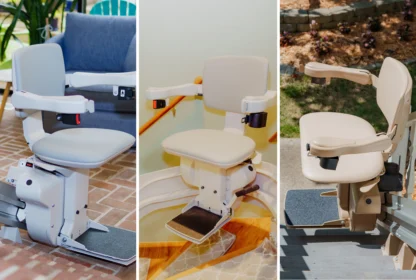
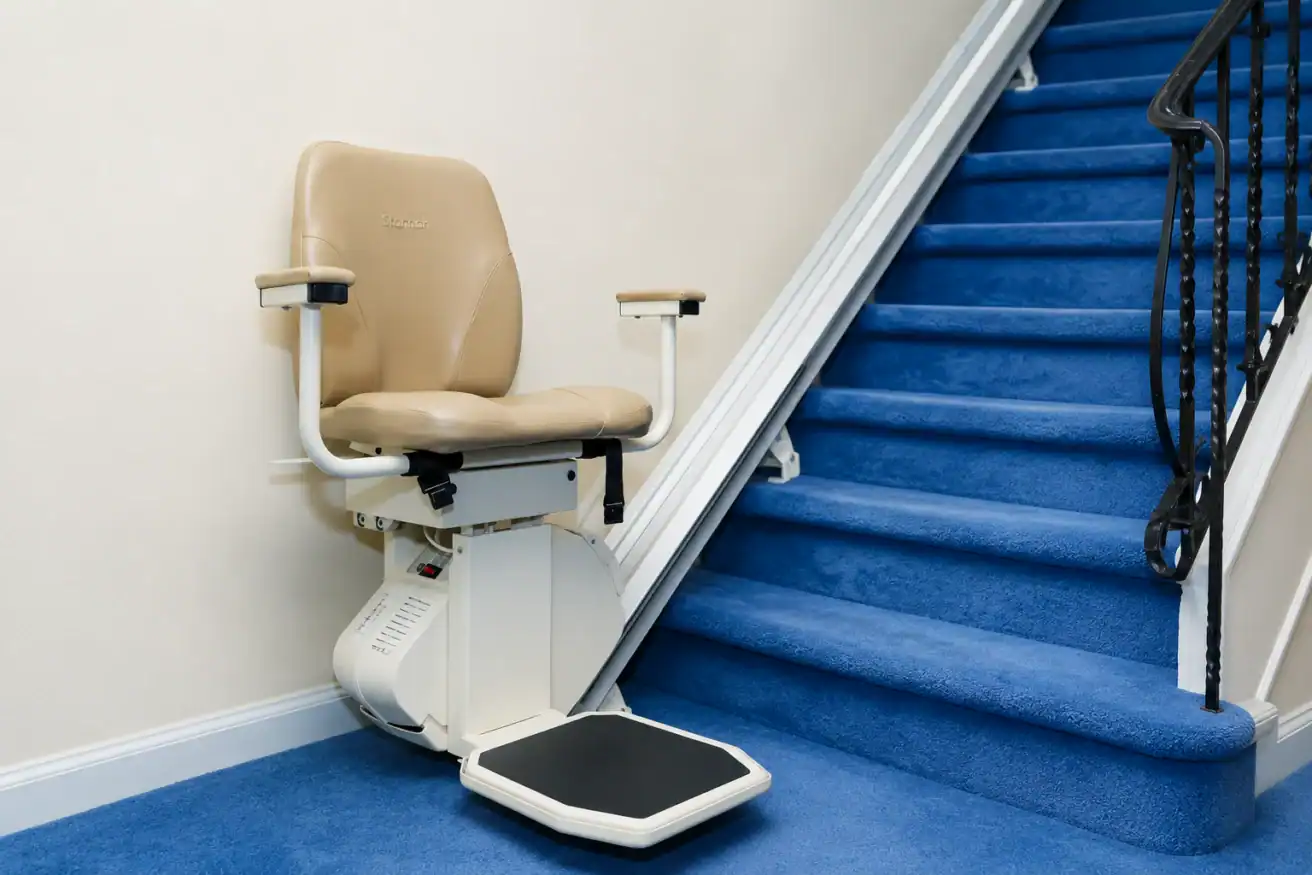
A stairlift is designed to carry a seated rider along a staircase. It is often a practical option for people who can transfer on and off the seat safely and want to keep using the home’s existing staircase.
Stairlifts are commonly considered when:
- One staircase is the main barrier
- The user does not need wheelchair transport on the stairs
- The goal is to improve safety and reduce strain
Ramps
Ramps help create smoother access over steps or raised entry points. They are often used at front entrances, garages, or other exterior access points.
A ramp may make sense when:
- Entry steps are the main issue
- Wheelchair or walker access is needed
- There is enough space for the right layout
Platform lifts
Platform lifts are often used when a wheelchair user needs vertical access over a short rise, such as a porch, deck, or garage entry. They can be a strong option where a ramp would take too much space.
Platform lifts are commonly considered when:
- Wheelchair access is needed
- The vertical rise is too high for a practical ramp
- The need is focused on entry access rather than full interior travel between floors
Home elevators and home lifts
For multi-level homes, home elevators and home lifts can provide more complete movement between floors. These are often discussed when the goal is long-term convenience, comfort, and whole-home accessibility.
They may be the right fit when:
- Key living areas are on different floors
- Stairs are becoming a long-term concern
- The household is planning ahead for aging in place
- A more integrated floor-to-floor solution is preferred
Bathroom safety upgrades
Not every accessibility plan starts with major equipment. Sometimes the highest-priority upgrade is in the bathroom, where slips and awkward transfers are a concern.
Bathroom safety improvements can be important when:
- Fall prevention is a priority
- Transfers in and out of the tub or shower are becoming harder
- The household wants safer daily routines without a major renovation
Stairlift vs Ramp: Which One Solves the Right Problem?
The phrase stairlift vs ramp comes up often, but these products usually solve different challenges.
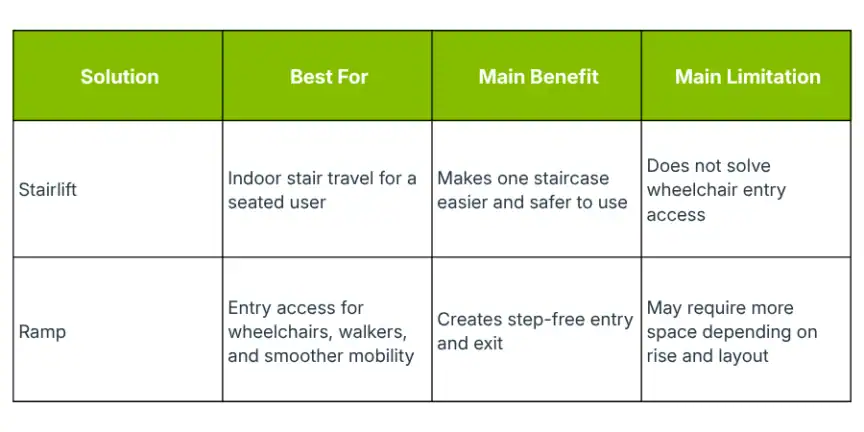
If the issue is moving up and down a staircase inside the home, a stairlift may be the better answer. If the issue is getting into the home safely with a wheelchair, walker, or reduced stability, a ramp may be the stronger fit.
Home Elevator vs Platform Lift
The comparison between home elevator vs platform lift is more relevant when vertical access is the main concern.
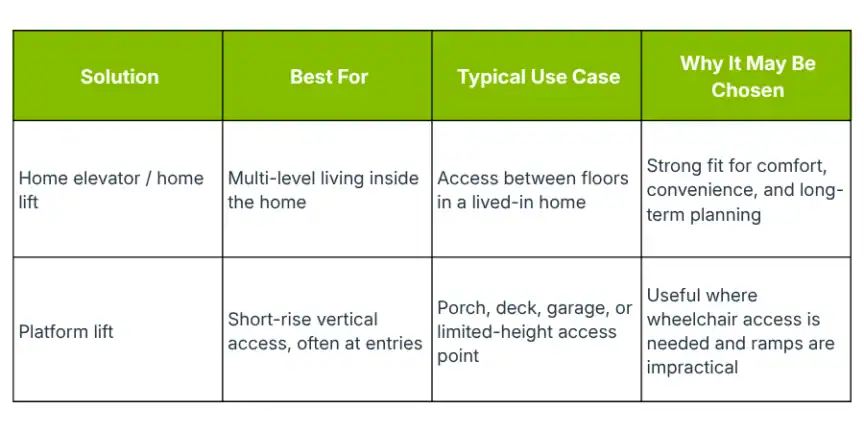
A home elevator is generally the better fit when the household wants regular access between multiple levels inside the home. A platform lift is often the better fit when the access issue is more specific and limited to one vertical rise.
How to Choose the Right Accessibility Solutions in Chalmette
When comparing accessibility solutions in Chalmette, focus on four decision points.
1. Match the solution to the exact barrier
Do not start with the product. Start with the barrier.
If the problem is stairs, compare stairlifts and floor-to-floor options. If the problem is entry access, compare ramps and platform lifts. If the problem is long-term whole-home usability, broader planning may be needed.
2. Consider the user’s mobility, not just the home
A solution should fit the person as well as the layout.
Think about:
- Whether the user can transfer independently
- Whether a wheelchair or walker is part of daily movement
- Whether a caregiver is involved
- Whether the need is temporary or long-term
3. Think beyond today
The best choice is not always the one that solves only the immediate problem. For many households, the bigger goal is preserving comfort and independence over time.
That is why many families compare current needs with future aging in place solutions before making a decision.
4. Get expert eyes on the space
What looks straightforward online may not be the best fit in person. A home’s measurements, entry configuration, floor plan, and user needs all affect the recommendation.
That is where a mobility consultation becomes valuable.
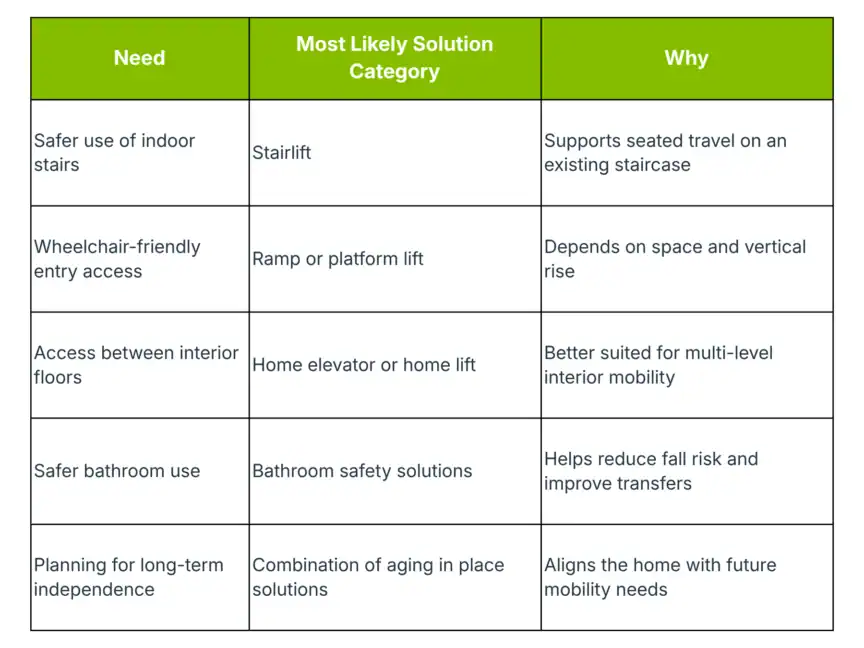
Quick Comparison Chart
Why a Professional Mobility Consultation Matters
A professional mobility consultation helps take the guesswork out of the process.
Instead of trying to compare products in the abstract, you can evaluate what actually fits your home and your goals. A consultation can help clarify:
- Which solution category best matches the home layout
- Whether the need is immediate, future-focused, or both
- What product type fits the user safely
- Whether a simpler solution can solve the problem well
- When a more comprehensive accessibility plan makes sense
For homeowners in Chalmette, that can lead to better decisions and fewer costly mismatches.
FAQs
What is the best accessibility solution for a two-story home?
It depends on the user and the home layout. Many homeowners compare stairlifts with home elevators or home lifts, depending on whether the goal is seated stair travel or more complete floor-to-floor access.
How do I decide between a stairlift and a ramp?
Use the barrier itself as the guide. A stairlift is typically for indoor stairs. A ramp is usually for step-free entry access. They are often compared, but they serve different purposes.
When does a platform lift make more sense than a ramp?
A platform lift may make more sense when wheelchair access is needed and there is not enough room for a practical ramp layout.
Are home elevators only for large homes?
Not necessarily. The right system depends on the home’s layout, the access goal, and how the household plans to use it.
Why should I schedule a mobility consultation?
A mobility consultation helps match the right solution to the real problem. It can save time, simplify decision-making, and help ensure the recommended product fits both the home and the user.
Choose a Solution That Fits Your Home and Your Future
The right accessibility upgrade should make daily life easier, safer, and more manageable. It should also fit the home in a way that supports your long-term goals.
If you are comparing accessibility solutions in Chalmette, start with expert guidance. Explore 101 Mobility New Orleans to learn more about local support, or Book a Free Consultation to get personalized recommendations for your home.