Home Elevator Planning in Central: A Summer Upgrade for Long-Term Comfort
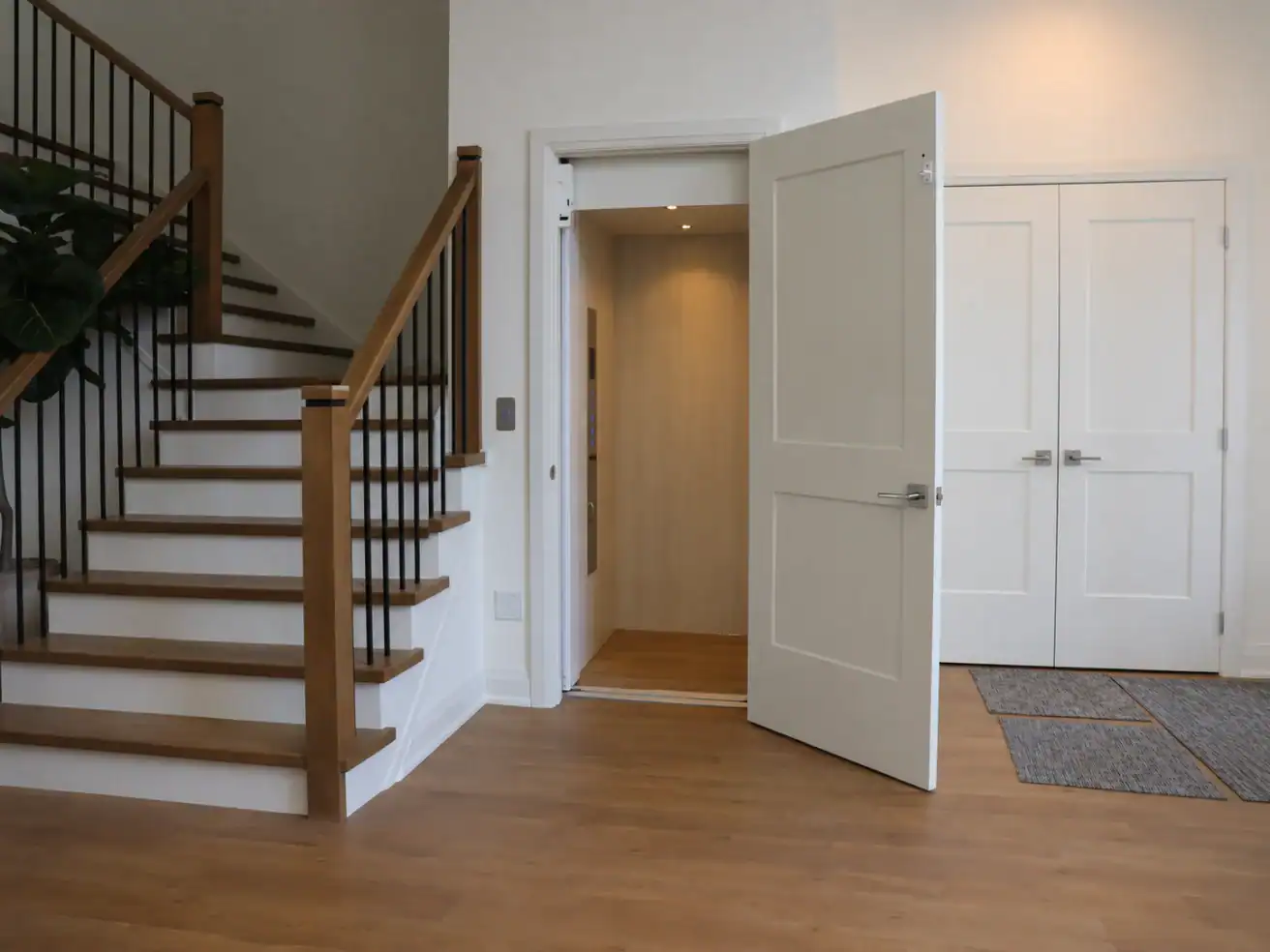
Summer is often when homeowners notice how much they move through the house in a typical day. Trips between bedrooms, main living spaces, laundry areas, and entry points can add up quickly in a multi-level home. That is one reason home elevator Central summer searches make sense right now: homeowners are thinking ahead about comfort, convenience, and long-term accessibility.
A home elevator is not only for urgent mobility needs. In many Central homes, it is a smart way to support easier daily movement, improve long-term usability, and make aging in place more realistic. When planned early, it can feel less like a reactive fix and more like a thoughtful home upgrade.
Why Summer Is a Smart Time to Plan a Home Elevator in Central
Summer tends to be a season for home projects, family visits, and reassessing how well a home works day to day. If stairs are becoming less comfortable or less practical, this is often the right time to explore solutions before the need becomes more urgent.
For multi-level homes, planning early has clear advantages. It gives homeowners time to evaluate layout, compare options, and choose a solution that fits both current routines and future goals. For many families, a home elevator Central upgrade is about staying ahead of the issue rather than waiting for stairs to become a major limitation.
When a Home Elevator Starts to Make Sense
Not every home needs the same accessibility solution. But a home elevator often becomes worth considering in a few common situations.
Daily trips between floors are becoming less convenient
Sometimes the first sign is not a major mobility challenge. It is repeated inconvenience. Carrying laundry, moving groceries, going up and down several times a day, or avoiding certain parts of the home can all point to a layout that is becoming harder to manage.
A home elevator can make everyday movement simpler and more comfortable.
The home is designed around multi-level living
Many homes in Central rely on stairs to connect essential spaces. When bedrooms are upstairs, living areas are downstairs, and storage or utility spaces are on another level, stairs are built into nearly every routine.
That is where better multi-level home access can make a real difference.
Aging in place is part of the long-term plan
For homeowners who want to stay in their homes longer, planning ahead matters. An elevator can be a practical aging in place upgrade that supports independence and reduces the likelihood of needing a move later because of accessibility limitations.
Homeowners want a permanent accessibility upgrade
Some households want a long-term solution that feels built into the home rather than added only for a temporary need. A home elevator is often the right fit when convenience, comfort, and future-readiness are all priorities.
Key Takeaways
How a Home Elevator Supports Multi-Level Home Access
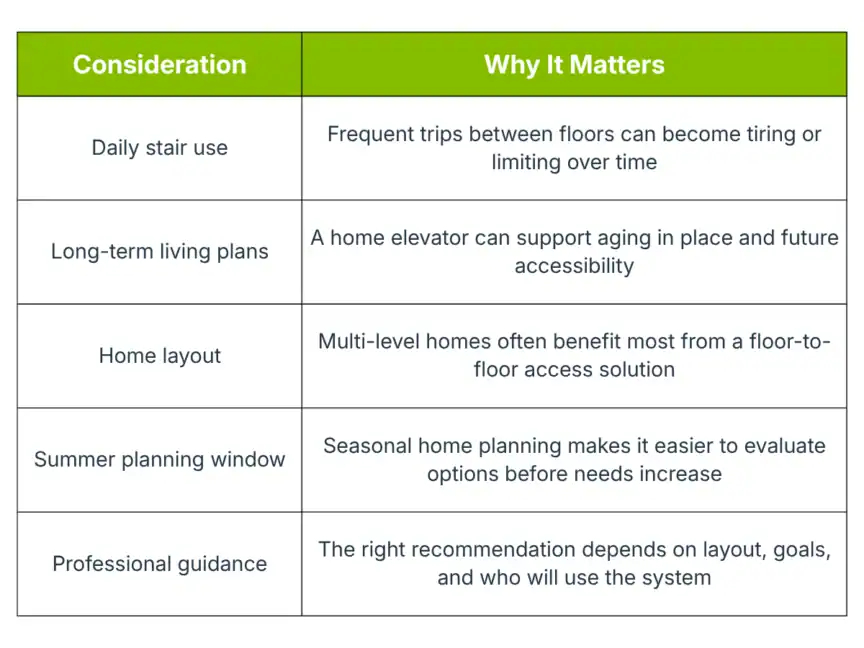
A home elevator supports more than accessibility alone. It can improve how the entire home functions.
In practical terms, that may mean easier movement between floors, less strain from repeated stair use, and a more comfortable way to use every level of the home. For some households, it also means making the home work better for parents, spouses, or relatives whose needs may change over time.
The value of a home elevator is often strongest in homes where stairs affect everyday life, not just occasional movement. That is why residential elevator planning should focus on how the home is actually used, not just on features.
Residential Elevator Planning: What to Consider First
Good planning starts with the home and the people living in it.
1. How the space is laid out
Look at which rooms matter most each day. If important spaces are split across levels, a floor-to-floor solution may have more impact than you think.
2. Who will use it
Some homeowners are planning for themselves. Others are planning for a spouse, parent, or future household need. The more frequent or essential the use case, the more valuable a home elevator becomes.
3. Whether the goal is convenience, accessibility, or both
In many cases, it is both. A home elevator can support safer movement while also making the home easier to navigate every day.
4. Long-term plans for the home
If this is a home you want to stay in, early planning usually leads to better decisions. A proactive aging in place upgrade is often easier to manage than a rushed response later.
Comparing a Home Elevator to Other Accessibility Options
Different homes call for different solutions. Here is a simple way to think about where a home elevator fits.
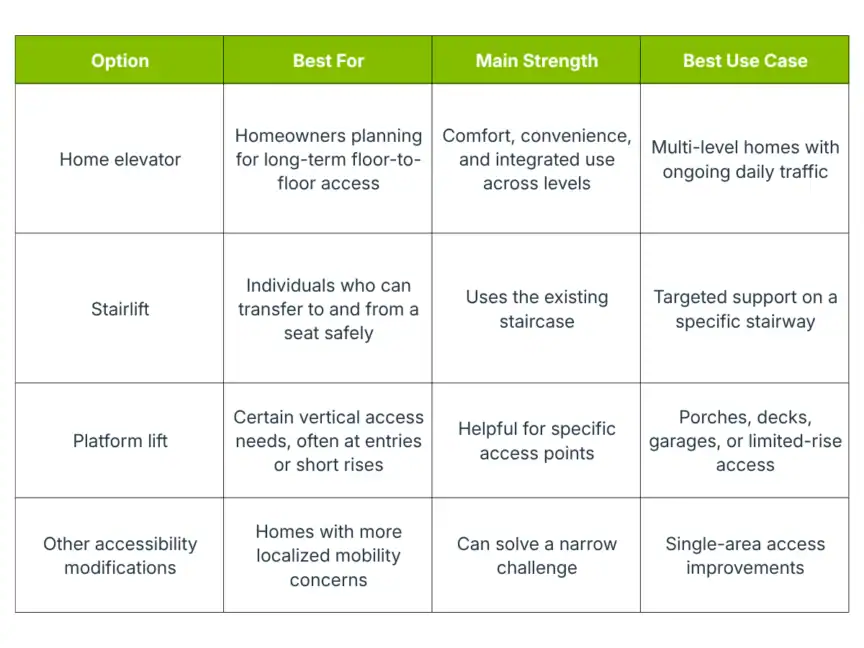
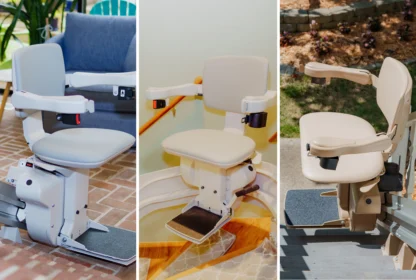
When the need centers on full-home movement in a multi-story layout, a home elevator is often the more complete solution.
Why Work With 101 Mobility
A successful accessibility project starts with the right guidance. 101 Mobility helps homeowners evaluate their needs, understand their options, and choose a solution that fits the home and long-term goals.
That matters because no two homes are the same. The best recommendation depends on layout, daily use, future planning, and the level of access the household wants to achieve.
If you are considering a home elevator this season, start by exploring the local team at 101 Mobility Baton Rouge and learning more about available home elevator solutions. A professional consultation can help clarify what makes sense for your home now and later.
FAQs
Why does summer make sense for home elevator planning?
Summer is often when homeowners review home projects, host family, and spend more time noticing how well the home works day to day. It is a practical time to plan before mobility concerns become more urgent.
Is a home elevator only for serious mobility limitations?
No. Many homeowners start planning early because they want more comfort, easier movement, and a home that can support them over time.
What makes a home elevator different from other accessibility options?
A home elevator is typically best for regular floor-to-floor access in a multi-level home. It is often chosen when the goal is long-term convenience and usability throughout the house.
Is residential elevator planning only for older adults?
No. While it is often connected to aging in place, it can also benefit anyone who wants better access between floors or a more future-ready home.
What is the first step?
The first step is a professional consultation. That helps determine whether a home elevator is the right fit and what approach makes the most sense for the home.
Plan Ahead for Easier Living in Central
If stairs are becoming less practical, or you want to make a multi-level home easier to navigate for years to come, now is a smart time to explore your options.
Visit 101 Mobility Baton Rouge to learn more about local support, or explore home elevator solutions to see how a customized upgrade can fit your home. When you are ready, Book a Free Consultation.