Home Elevator Planning in Broussard: When Stairs Start Limiting Daily Life
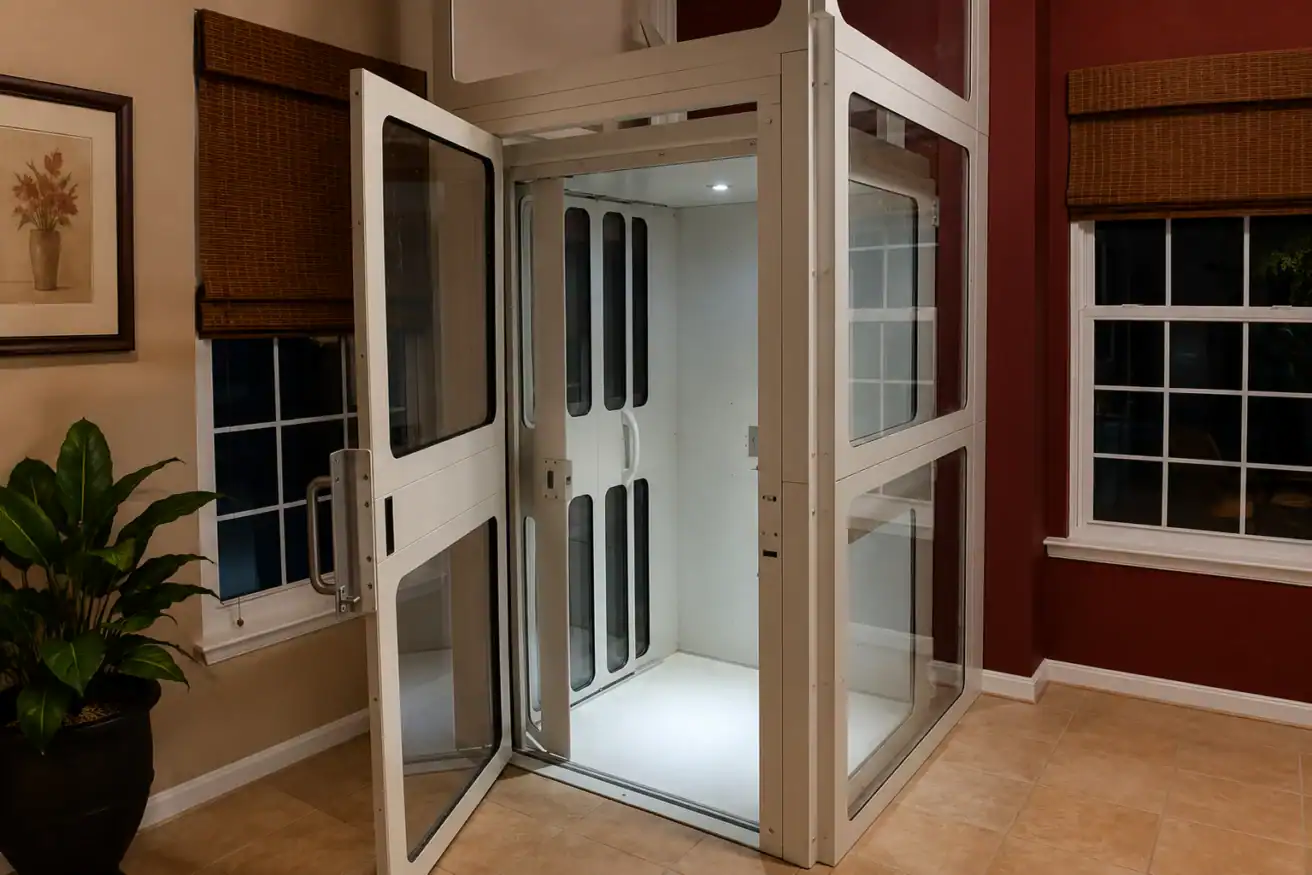
In many multi-level homes, the challenge does not start with a dramatic fall or a sudden loss of mobility. It usually starts with everyday friction. A trip upstairs feels more tiring. Carrying laundry becomes a task you put off. A bedroom on the second floor starts feeling less practical than it used to.
That is often the point when homeowners begin thinking seriously about a home elevator in Broussard. Not because they want to overreact, but because they want a better long-term plan. When stairs start limiting comfort, convenience, or confidence, a residential elevator or home lift can become a practical next step.
For families planning ahead, this is not just about access today. It is about making sure the home still works well in the years ahead.
When a home elevator in Broussard starts making sense
A home elevator is usually worth exploring when stairs are no longer a minor inconvenience. In many homes, the turning point looks like this:
- Going up and down stairs takes more time or energy
- Carrying laundry, groceries, or household items feels harder
- A recovery from surgery or injury changes how the home functions
- One family member moves more slowly than the rest of the household
- The upstairs remains important, but using it feels less realistic every month
- You want to stay in the home long term and plan before mobility becomes urgent
This is why many families research solutions before a crisis. They want to preserve the usability of the home, not wait until parts of it start feeling off-limits.
Why families look at this before the situation becomes urgent
A proactive accessibility upgrade often gives homeowners more control. Instead of making a rushed decision after a major change in health or mobility, they can compare options based on layout, comfort, and long-term goals.
A home elevator can support:
- Aging in place with less dependence on stairs
- Better comfort in a home with bedrooms or important living areas upstairs
- Easier movement for spouses with different mobility needs
- Safer daily routines when carrying items between floors
- Less strain on adult children or caregivers helping a loved one navigate the house
For many households, the bigger goal is simple: keep the whole home usable.
What to evaluate before choosing a residential elevator in Broussard
Before choosing a residential elevator Broussard homeowners should look at the decision from both a current-needs and future-needs perspective.
1. How you use the upstairs now
Think about what is upstairs and how often you need it. If the second floor includes a primary bedroom, bathroom, office, or storage you use every week, then stair access affects daily life more than you may realize.
2. Whether you are planning for one person or the whole household
Some homeowners are planning for one user with reduced mobility. Others want a solution that makes the home easier for everyone. That difference affects size, access expectations, and product selection.
3. What mobility needs may change over time
A strong plan looks beyond today. You may not need wheelchair access now, but you may want room for a walker, additional stability, or easier transport of everyday items later. That is where home lift planning becomes more valuable than a quick product search.
4. How much space and modification the home allows
Some homes are a better fit for compact through-floor lifts. Others may support a more traditional residential elevator layout. The right option depends on the home’s structure, floorplan, and the type of access you want to create.
5. What you want the experience to feel like
Some homeowners prioritize the smallest possible footprint. Others care more about higher capacity, visual design, or carrying larger items between floors. The right answer depends on how the lift will actually be used day to day.
Home elevator vs. home lift planning
Not every homeowner starts with the same type of solution in mind. Some want a more classic elevator feel. Others want a compact lift that blends into the home with minimal disruption.
Here is a simple way to think about it:
| Option | Often Best For | Main Advantage | Planning Consideration |
|---|---|---|---|
| Residential elevator | Homeowners wanting a polished, integrated vertical access solution | Comfort, convenience, and a more traditional elevator experience | May depend on layout, size needs, and desired finish |
| Compact home lift | Homeowners focused on efficient installation and space savings | Smaller footprint and simpler fit in many homes | Best choice depends on traffic flow, entry/exit points, and future mobility needs |
For a household focused on multi-level home access, the question is not which category sounds better. It is which solution fits the way the home is used.
Product examples for multi-level home access
101 Mobility’s home elevator offerings give families a few different planning paths depending on space, capacity, and lifestyle needs.
Pollock Residential Elevator
The Pollock Residential Elevator is designed for smooth through-floor travel with a quiet, sleek profile. It includes features such as soft start and stop, a self-contained design, a shallow ramp, and a 507 lb. capacity.
This type of option may appeal to homeowners who want a refined residential elevator feel while maintaining living space when the unit is not in use.
Learn more about home elevators
Stiltz Duo Lift
The Stiltz Duo Lift is a compact home lift designed for two people and minimal home modifications. It has a 375 lb. capacity, can often be installed quickly, and is designed to work within a smaller footprint.
This may be a strong fit when the goal is practical daily access with less disruption to the home.
Stiltz Trio Home Lift
The Stiltz Trio Home Lift offers more capacity than the Duo and is designed to accommodate larger items and standard wheelchairs, walkers, and rollers. It has a 485 lb. capacity and can be a better fit when future flexibility matters more.
For households thinking about a broader aging in place upgrade, the added room and versatility may be worth considering.
A quick comparison for homeowners
| Product | Good Fit For | Capacity | Planning Strength |
|---|---|---|---|
| Pollock Residential Elevator | Homeowners wanting smooth through-floor travel and a polished residential feel | 507 lbs. | Clean design and integrated everyday use |
| Stiltz Duo Lift | Smaller households or tighter spaces | 375 lbs. | Compact footprint and minimal modifications |
| Stiltz Trio Home Lift | Homes needing more flexibility for larger items or mobility equipment | 485 lbs. | Better capacity and broader long-term usability |
No table can replace an in-home evaluation, but a comparison like this helps narrow the conversation before a consultation.
What the right plan usually includes
The best home elevator Broussard plan is not just about the equipment. It is about the fit between the product, the home, and the household’s long-term goals.
A strong planning conversation usually covers:
- Where the lift should start and stop
- Who will use it most often
- Whether capacity or wheelchair access may matter later
- How visible or compact the installation should be
- How the solution supports staying in the home longer
- What service and support will look like after installation
This is also where working with a provider matters. A product catalog alone will not tell you what makes sense in your layout.
Explore the Lafayette location page to learn more about local support and solutions.
What the process looks like
For many families, one of the biggest barriers is not the product. It is uncertainty about how the process works. A guided approach makes the decision easier.
A typical path includes:
- Consultation
Review the home layout, current mobility concerns, and long-term goals. - Customized recommendation
Match the space and the household’s needs to the most practical solution. - Professional installation
Install the system with safety, fit, and everyday usability in mind. - Training and support
Make sure the household understands how to use the equipment and where to turn for ongoing service.
If you are still early in the process, it can also help to review broader planning resources before you decide.
See accessibility resources
Review common questions
Book a Free Consultation
FAQ
Is a home elevator only for people with major mobility limitations?
No. Many homeowners start planning when stairs become tiring, inconvenient, or less practical for daily routines. A home elevator can be a proactive choice for long-term comfort and easier movement between floors.
What is the difference between a residential elevator and a home lift?
A residential elevator often refers to a more traditional in-home vertical access solution, while a home lift may emphasize a compact footprint and simpler installation. The best fit depends on space, household needs, and future mobility goals.
Can a home lift work in an existing house?
Yes. Some home lifts are specifically designed for existing homes and can require fewer modifications than homeowners expect. The right option depends on layout, travel distance, and access needs.
When should a family start planning for an aging in place upgrade?
The best time is usually before the need becomes urgent. Planning early gives you more flexibility to compare options, protect access to the full home, and make a decision without pressure.
How do I know which solution fits my home?
A consultation is usually the fastest way to narrow the options. It helps match the product to the home’s layout, the user’s needs, and the level of long-term flexibility you want.
Final thoughts
When stairs start limiting daily life, the issue is rarely just the staircase itself. It is the way the whole home begins to feel less convenient, less comfortable, or less sustainable for the future.
That is why planning matters. The right home elevator or home lift can help preserve access, support long-term independence, and make a multi-level home work better for everyday life.
If you are weighing options for your home in Broussard, the next best step is a practical conversation about layout, goals, and fit.