FMLA Caregiver Leave: What You Are Entitled to as an Employee

Quick Takeaways:
- FMLA caregiver leave gives eligible employees up to 12 weeks of unpaid, job-protected time off to care for a parent with a serious health condition.
- Qualifying takes three things: 12 months with your employer, 1,250 hours worked in the past year, and a worksite with 50 or more employees within 75 miles.
- FMLA protects your job and your group health coverage, but it does not pay your salary while you are out.
- This article is general information, not legal advice. Confirm your specific situation with your employer’s HR department or an employment attorney.
If you are trying to figure out how much time you can actually take off to help a parent, here is the core fact: FMLA caregiver leave entitles eligible employees to up to 12 weeks of unpaid, job-protected leave in a 12-month period to care for a parent with a serious health condition. That is the federal floor, not the whole picture, and whether it is paid depends on your employer’s policies and, increasingly, on which state you live in. For anyone juggling a job, kids, and a parent’s care at the same time, knowing exactly what you are entitled to, and what you are not, is the difference between planning your leave with confidence and finding out the hard way that your paycheck stopped the day your leave started.
| Not legal advice: this article explains general FMLA rules and current state paid leave trends. Your specific eligibility, your employer’s exact policies, and how your state’s program interacts with federal leave are worth confirming directly with your HR department or an employment attorney before you make a plan around them. |
Do You Qualify for FMLA Caregiver Leave?
FMLA eligibility comes down to three conditions, and you need to meet all three.
First, you need to have worked for your employer for at least 12 months. Those months do not have to be consecutive, so a prior stint with the same employer can count toward the total. However, if the break is over 7 years, that usually does not count.
Second, you need at least 1,250 hours of service in the 12 months right before your leave starts. That works out to roughly 24 hours a week on average, so most full-time employees clear this easily, but it can be a real barrier for part-time workers.
Third, your worksite needs to have 50 or more employees within a 75-mile radius. This is where FMLA leaves people out who work for smaller employers or in more remote locations, even if they otherwise qualify. Covered employers include private companies with 50 or more employees for at least 20 workweeks a year, plus all public agencies and school systems regardless of size.
If you meet all three, and you are caring for a parent with a serious health condition, you are entitled to FMLA caregiver leave. It is worth noting that FMLA covers caring for a parent, spouse, or child, but it generally does not cover parents-in-law, so if you are the one managing a spouse’s parent’s care, check with HR on how your employer’s policy handles that gap.
It also helps to know what “serious health condition” means before you request leave, since that is the trigger for the whole entitlement. It generally covers a condition that requires inpatient care, such as a hospital stay, or ongoing treatment by a health care provider, such as regular appointments for a chronic condition or recovery that stretches over multiple weeks. A single doctor’s visit for something minor typically will not clear that bar on its own.
What FMLA Caregiver Leave Actually Covers and Does Not
Understanding what FMLA does, and does not, provide is essential before building any leave strategy around it. The law is strong in two specific areas, but it has a significant gap that employers and employees alike often overlook.
Job Protection and Health Benefits During Leave
The job protection piece means your employer has to return you to the same position, or an equivalent one with the same pay, benefits, and responsibilities, when your leave ends. You also keep your group health insurance during the leave under the same terms as if you had kept working, though you are typically still responsible for your normal share of the premium.
That protection is not automatic paperwork. It is an enforceable right, and it is the part of FMLA that lets you say yes to twelve weeks of caregiving without worrying that your job or your health coverage will not be there when you get back.
Why FMLA Leave Is Unpaid, and What Can Fill the Gap
Here is the part that catches people off guard: FMLA itself does not pay you anything. It guarantees the time and the job security, not the paycheck. Many employers let you use accrued PTO, vacation, or sick leave concurrently with FMLA so you are not going twelve weeks with zero income, but that is a matter of your employer’s policy, not a federal requirement. Ask HR specifically whether your accrued leave runs alongside FMLA or has to be used separately, since the answer changes how you should budget the time off.
Check Your State: What Changed in 2026
Since FMLA leave is unpaid, where you live can matter just as much as what your employer offers. A growing number of states have launched their own paid family and medical leave programs that work alongside FMLA, and 2026 marks a significant milestone in that expansion.
| State | What Changed in 2026 | Job Protection Threshold |
|---|---|---|
| Colorado | Existing paid leave program (FAMLI) adds 12 extra weeks for NICU care that started January 1 | Applies broadly under FAMLI |
| Delaware | Delaware Paid Leave launched January 1; employers can still require you to use up to 75% of accrued PTO before benefits begin | Varies by employer size |
| Maine | Statewide paid leave launched May 1 for all private employers | 120 consecutive days with employer |
| Minnesota | Minnesota Paid Leave launched January 1, offering up to 20 combined weeks of medical and family leave a year | 90 calendar days with employer |
These four are only the states with the biggest changes that took effect this year. Several others, including California, New Jersey, New York, Washington, and Massachusetts, already run established paid leave programs that predate 2026. Eligibility rules, benefit amounts, and even how each state defines “family member” vary quite a bit from one program to the next, so if you live in a state with a paid leave program, check that state’s specific rules rather than assuming they mirror federal FMLA.
State paid leave and federal FMLA are not always the same clock, either. In some states, the paid benefit runs concurrently with your FMLA leave, so the two overlap and you are covered by both at once. In others, the state program has its own separate job protection rules that can apply even if you do not meet FMLA’s federal thresholds. That distinction matters most if your employer has fewer than 50 employees, since a state program may still cover you even though FMLA does not.
Frequently Asked Questions
Can I take FMLA leave to care for my mother-in-law?
Generally, no. Federal FMLA covers your own parent, spouse, or child, but it typically excludes parents-in-law. Some employer policies extend further than the federal minimum, so check your specific benefits package or ask HR whether your company’s leave policy covers a spouse’s parent.
Does my employer have to pay me anything while I am on FMLA leave?
Not under federal law. FMLA guarantees your job and your health coverage, not your paycheck. Whether you receive any pay during that time depends on your employer allowing you to use accrued PTO or sick leave concurrently, or on a state paid leave program you may be eligible for separately.
What counts as a serious health condition for FMLA caregiver leave?
The Department of Labor generally defines it as an illness, injury, impairment, or physical or mental condition that involves either inpatient care or ongoing treatment by a health care provider. A short-term cold or minor issue typically will not qualify, but conditions requiring regular medical management usually do.
Can I take FMLA leave in small blocks instead of all at once?
Yes, in many cases. FMLA can be taken intermittently, in single days or even hours, rather than as one continuous twelve-week block, when the medical need supports that schedule. This is worth raising directly with HR if your caregiving situation involves periodic appointments rather than one extended absence.
What if my employer has fewer than 50 employees?
You likely are not covered by federal FMLA, since the 50-employee threshold within 75 miles is one of the three eligibility requirements. Some states extend job-protected leave to smaller employers under their own paid leave laws, so it is worth checking your state’s program even if federal FMLA does not apply to you.
Making the Most of Whatever Leave You Are Entitled To
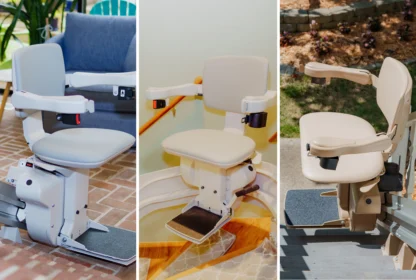
| Whether you end up with twelve unpaid weeks, a shorter paid benefit through your state, or some combination of both, the time you have to work with is limited. That makes how you spend it matter.If part of your caregiving involves getting your parent’s home ready, safely, that is exactly where a single, coordinated visit beats a project spread across multiple appointments and multiple days away from work. A factory-trained team that handles the assessment and the installation without requiring you to take repeated time off stretches whatever leave you have further, paid or not.Schedule a free consultation and get your parent’s home modification done in the time you actually have. |