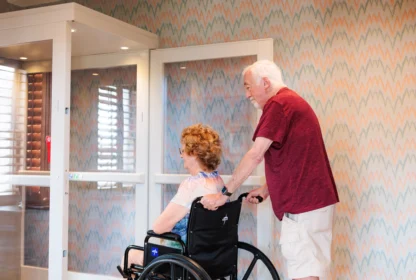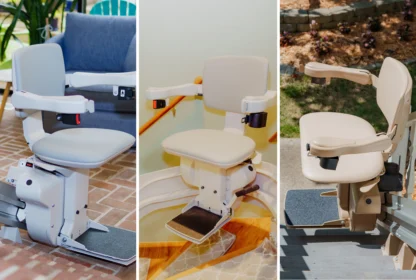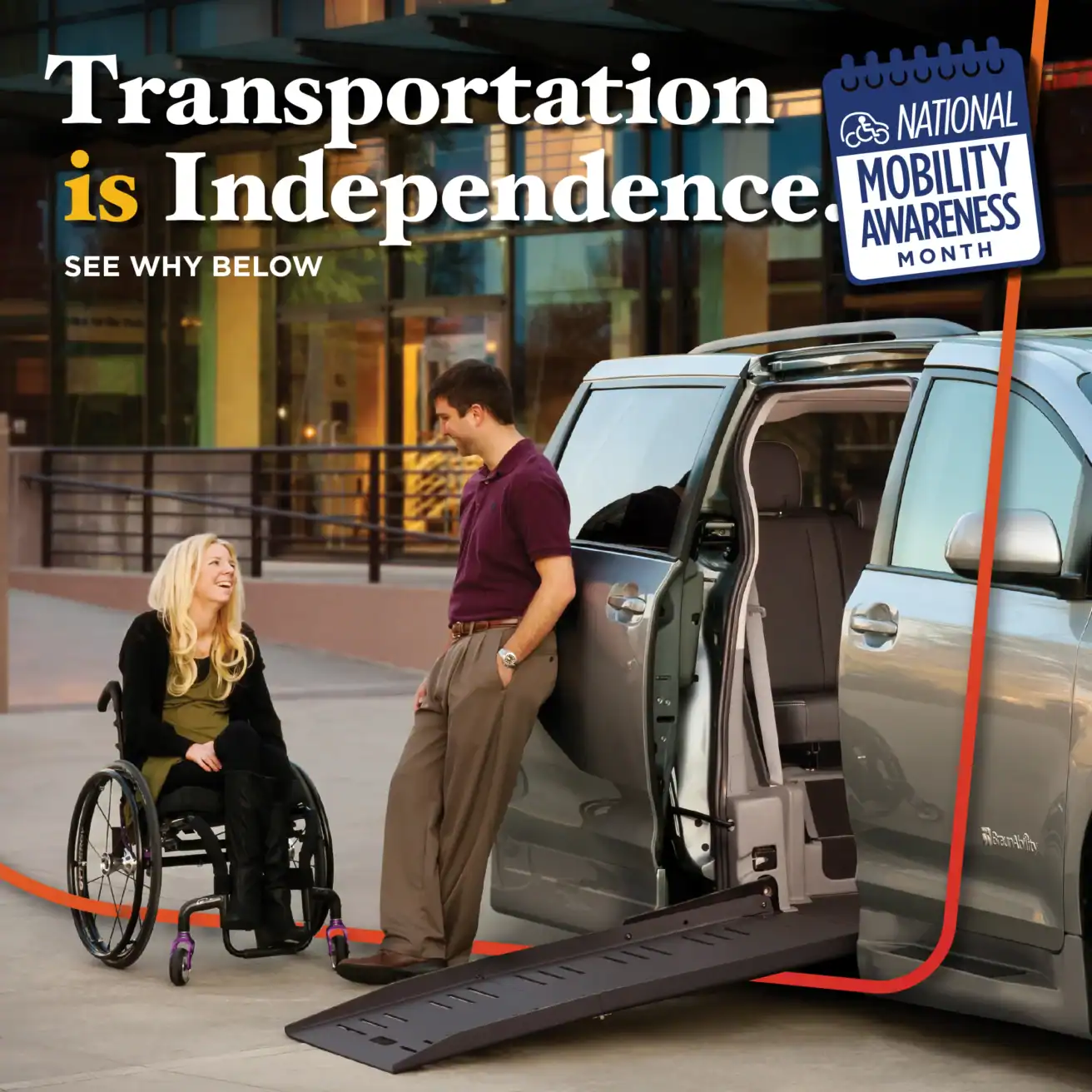
This May is National Mobility Awareness Month, and it’s a perfect time to explore wheelchair ramps that blend seamlessly with your home and help you stay independent. Whether you’re planning ahead or need a solution now, here’s how to find the ramp that fits your life and style, backed by 101 Mobility’s expertise.
What Is National Mobility Awareness Month?
More than 21.7 million people in the U.S. and Canada face mobility challenges, and about 12% of American adults have trouble walking or climbing stairs. National Mobility Awareness Month, founded by NMEDA in 2012, brings these realities into focus each May. The campaign has one goal: to highlight the adaptive solutions that keep you moving freely and restore your confidence at home, at work, and beyond.
For many, it’s a month to break down old barriers, like inaccessible buildings or stigma. Communities nationwide come together to share resources, promote funding help, and highlight how simple changes at home can transform daily life.

The Importance of Staying Independent at Home
Staying independent supports both your health and peace of mind. Simple upgrades, like a ramp, can help you move more freely, avoid forced relocation, and stay close to what matters most. You avoid unnecessary moves. Your independence stays intact. For older adults in particular, mobility solutions are the surest way to support “aging in place” with safety and dignity.
Assess Your Home Environment and Mobility Needs
Start with three quick steps. First, pick the access point: front door, side door, or garage? Second, list the barriers: steps, slopes, or tight corners. Third, think about the chair or walker you use most.
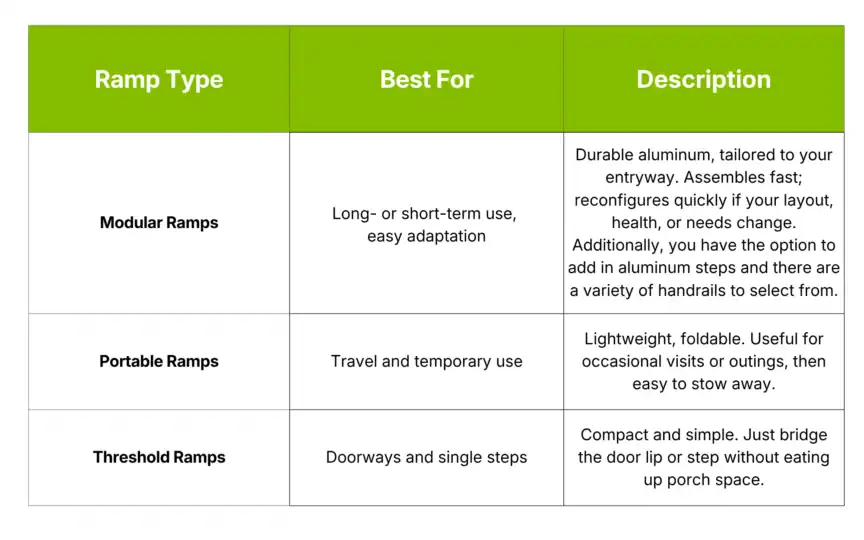
If you’re just bridging a single small step, a threshold ramp may be all you need. This small, low-profile ramp sits at your doorway for a smooth roll-in or walk-in experience. For a deeper look at home prep, see our guide on how to make your home accessible for visitors.
Types of Wheelchair Ramps
Here’s a quick table to help you compare the main options:
Still deciding? Compare the options in our article: wheelchair ramp vs vertical platform lift.
Balancing Safety Features with Visual Appeal
Good looks don’t replace safe design. You want both. Handrails, non-slip surfaces, and edge guards keep every trip worry-free. The trick? Pick safety features that blend in, like black or bronze handrails, or textured powder coating instead of institutional grip tape. And always check that your slope meets ADA ramp guidelines so the journey is smooth, secure, and welcoming.
Additionally, 101 Mobility exclusively uses aluminum materials for ramps. It’s lightweight, rust-resistant, and nearly maintenance-free. The power coating lets you match to your color scheme.
Customization and Design Ideas
A ramp should never feel tacked-on. Bring your home’s personality into the details:
- Color: Match or complement your trim and door color.
- Landscaping: Frame your ramp with flower beds, low hedges, or ground cover to soften the lines.
- Lighting: Add solar lights or slim-profile LEDs for safe, inviting nighttime access.
Seamless Professional Installation
101 Mobility offers free in-home consultations. Certified pros measure your space, confirm code compliance, and recommend the best fit, and then handle installation in hours, not weeks. We’re there from consult to clean-up, with one goal: making your home safer and better, without stress.
Planning for Future Accessibility Needs
Your needs might change. Pick a ramp that keeps up. Modular aluminum ramps make changes simple: extend, adjust, or move with ease. That’s long-term value and peace of mind.
Resources and Funding Available During May
May is the best month to take advantage of free guidance and extra resources. Look out for:
- VA Automobile Adaptive Equipment grants: Help for veterans
- Medicaid waivers and vocational rehab funding (nmeda.org)
- Local nonprofit resources and community events (starability.org)
As part of National Mobility Awareness Month, you’ll find extra workshops and in-person demos from experts and groups devoted to keeping you in your home, your way.
Ready to Move More Freely at Home?
You belong in the home you love. Getting a wheelchair ramp for the home that looks nice is easier with the right advice. Choose your materials, match your style, and let 101 Mobility handle installation. No stress. No disruption. Just safe, attractive access that fits your life.
Book a free consultation to get started today.
Frequently Asked Questions
What is National Mobility Awareness Month, and why does it matter?
National Mobility Awareness Month is observed every May to raise awareness about mobility, transportation, and accessibility. The campaign highlights adaptive solutions, funding options, and resources, helping people unlock more independence.
How do I determine the right wheelchair ramp slope and length for my home?
First, measure the total height (“rise”) from the ground to your entryway. For every inch of rise, you’ll need at least 12 inches of ramp, per ADA guidelines. Example: a 6-inch step needs a 6-foot ramp.
What safety features should I look for in a wheelchair ramp?
Always choose a ramp with continuous handrails, high-traction non-slip surfaces, and edge protection. These features keep you and your family safe in all weather.
How can I find funding or financial assistance for home mobility upgrades?
Start with VA adaptive equipment grants (if eligible), Medicaid waivers, or state rehab programs. Check with local nonprofits, as many offer extra assistance or information during May’s awareness month. For more advice on ramps, lifts, and accessible living, explore the 101 Mobility blog.