Caregiver-Friendly Mobility Solutions in Belle Chasse: Equipment That Makes Daily Assistance Easier
Daily caregiving often comes down to one repeated challenge: helping someone move safely from one place to another. Bed to chair. Chair to bathroom. Recliner to standing. When those transfers are difficult, both the caregiver and the person receiving care feel the strain.
The right caregiver mobility solutions in Belle Chasse can make those moments safer, smoother, and less exhausting. From basic transfer equipment to full patient lift systems, the goal is not just moving someone from point A to point B. It is reducing injury risk, protecting dignity, and making care at home more sustainable.
Why caregiver mobility solutions matter at home
Many families start by “just helping more.” Over time, that can turn into frequent lifting, awkward repositioning, and rushed transfers in tight spaces. That is when caregiver strain builds up.
The right equipment helps by:
- Reducing the physical effort required for daily transfers
- Improving caregiver safety during repeated assistance
- Supporting more stable, comfortable movement for the person receiving care
- Making home patient handling more predictable and less stressful
For some households, that may mean a simple transfer aid. For others, it may mean a patient lift in Belle Chasse that is better suited for higher-support needs.
Common transfer challenges caregivers face in Belle Chasse homes
Not every home is designed for mobility support. Even a familiar space can become difficult when someone needs hands-on help multiple times a day.
Common challenges include:
- Moving from bed to wheelchair or recliner
- Helping someone stand from a seated position
- Navigating narrow bathroom layouts
- Managing thresholds, steps, or uneven entry points
- Assisting safely when one caregiver is handling most daily support
When these issues are ignored, caregivers often compensate with more physical effort. That may work in the short term, but it is rarely the safest long-term plan.
Caregiver mobility solutions Belle Chasse families should know
Transfer equipment for lower-complexity support
Some people still have partial strength, balance, or standing ability. In those situations, transfer equipment may provide enough support without moving to a full lift.
Examples may include:
- Transfer boards for seated lateral movement
- Pivot-based transfer aids for supported standing turns
- Sit-to-stand support tools for assisted repositioning
These options can be helpful when the individual can still participate in the transfer and the goal is to make movement safer and more controlled.
Patient lift options for higher-assistance needs
When manual transfers are no longer safe, a patient lift may be the better solution. This is especially important when the person receiving care has limited weight-bearing ability, poor balance, or a high fall risk.
Common lift categories include:
- Floor lifts: Mobile and versatile for many rooms
- Sit-to-stand lifts: Useful when the person can still bear some weight
- Ceiling lifts: Strong option for frequent transfers and more permanent support
A patient lift in Belle Chasse should match both the user’s mobility level and the caregiver’s daily routine. The right fit depends on how transfers happen, how often they happen, and what the home allows.
Home patient handling upgrades that improve safety
Transfer support does not stop with the lift itself. Many homes benefit from related accessibility improvements that make the full care environment work better.
These may include:
- Bathroom safety upgrades for shower and toilet transfers
- Ramps for easier entry and exit
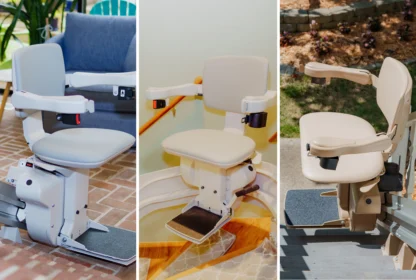
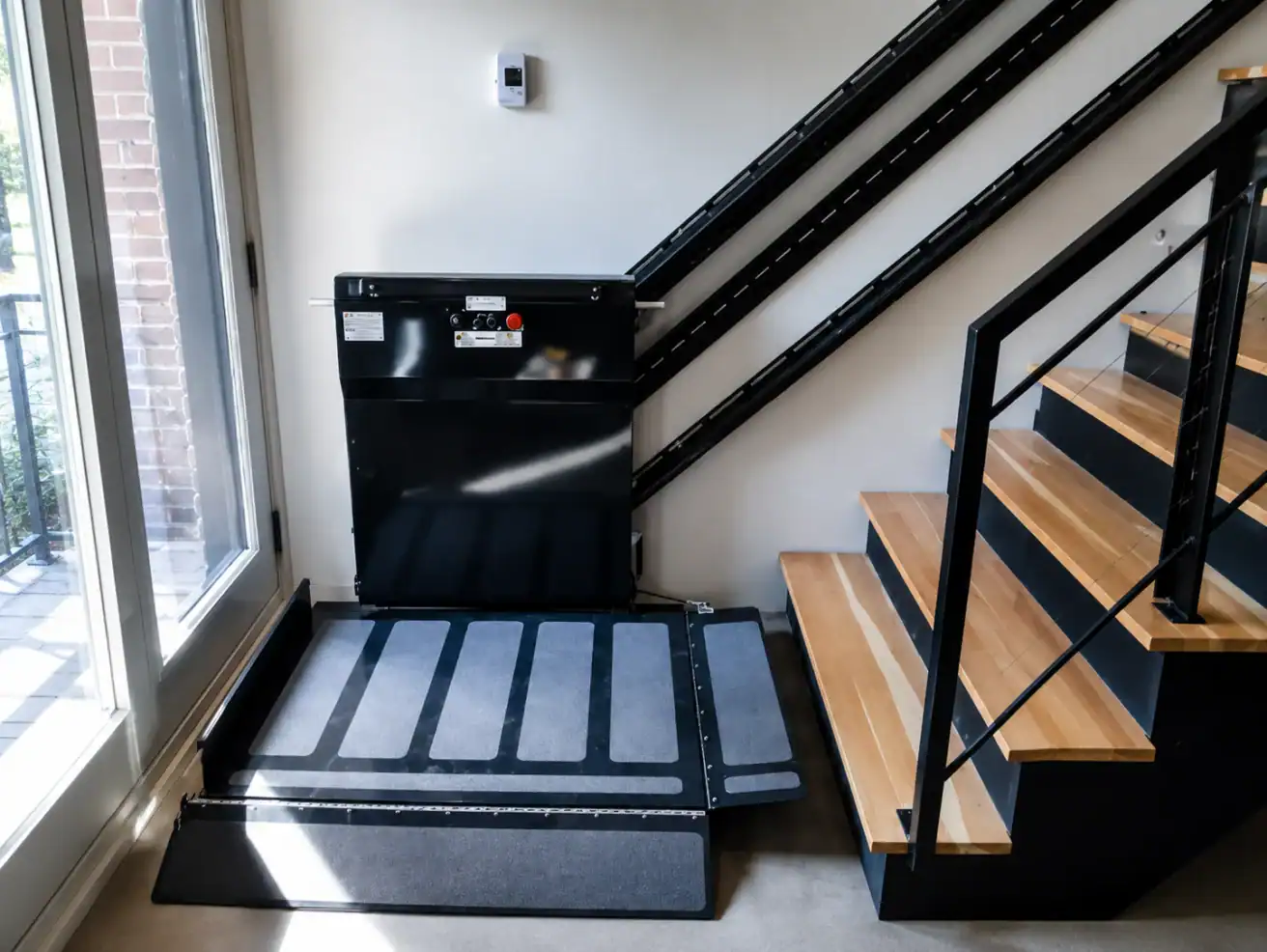
- Stair access solutions when caregiving happens on multiple levels
- Layout adjustments that create better clearance for equipment use
This is where a broader home patient handling plan becomes valuable. Instead of solving one transfer in isolation, the home is evaluated as a whole.
Quick comparison chart: which solution fits which situation?
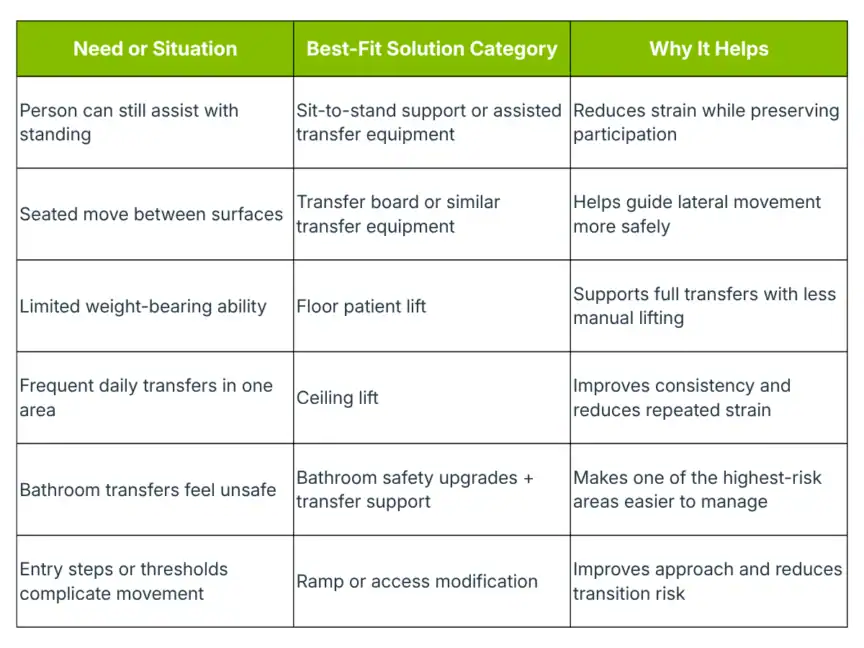
How to choose the right patient lift in Belle Chasse
The best solution is not the most advanced one. It is the one that fits the person, the caregiver, and the home.
Start with four questions:
- How much mobility does the person still have?
Can they stand briefly, pivot, or assist with transfers at all? - How much strain is the caregiver experiencing?
If transfers cause back, shoulder, or balance concerns, the setup may need to change. - How often do transfers happen each day?
A frequent routine usually calls for a more efficient, repeatable solution. - What does the home allow?
Room size, flooring, thresholds, and bathroom layout all matter.
A professional consultation can help match equipment to real conditions instead of guessing from product photos online.
Signs it is time to upgrade your transfer setup
Families often wait until there is a close call. It is better to act sooner.
Look for these signs:
- The caregiver is lifting more of the person’s weight manually
- Transfers feel rushed or unstable
- Near-falls are becoming more common
- Bathroom assistance is especially difficult
- One caregiver is doing nearly all the physical work
- The person receiving care has become more hesitant during transfers
If any of these sound familiar, it may be time to move from basic assistance to better transfer equipment or a patient lift solution.
Why professional guidance matters
Care equipment works best when it is tailored to the real environment. That includes the user’s mobility, the caregiver’s role, and the way the home is set up.
101 Mobility supports families with practical accessibility solutions designed to improve safety, independence, and day-to-day usability in the home. Their product categories include patient transfer lifts, bathroom safety equipment, ramps, stairlifts, and other accessibility solutions that help reduce physical barriers and make daily movement easier.
For Belle Chasse families, that kind of guidance can help answer questions like:
- Do we need basic transfer equipment or a full lift?
- Would a floor lift work better than a ceiling lift?
- Are there bathroom or access upgrades that would improve safety too?
- What setup will be realistic for the caregiver using it every day?
You can explore local support through the New Orleans 101 Mobility location and review patient handling solutions to compare options.
FAQ
What is the best patient lift for home use?
The best patient lift for home use depends on mobility level, transfer frequency, and available space. A floor lift works well for many homes, while ceiling lifts may be better for frequent transfers in a fixed area.
What transfer equipment can help without a full lift?
Transfer boards, pivot aids, and sit-to-stand support equipment can help when the person still has some strength or weight-bearing ability. These options may reduce caregiver strain without requiring a full lifting system.
How do I know if my home has enough space for transfer equipment?
Room layout, doorway width, flooring, and bathroom clearance all matter. A professional in-home assessment is usually the best way to determine what will work safely and comfortably.
Can caregiver mobility solutions reduce injury risk?
Yes. The right setup can reduce manual lifting, improve positioning, and make transfers more controlled. That supports caregiver safety while also creating a more secure experience for the person receiving care.
Make daily assistance safer and easier
If caregiving at home is becoming more physically demanding, the right mobility solution can make a meaningful difference. Better transfer equipment, a properly matched patient lift, and smart home accessibility upgrades can reduce strain and improve everyday safety.
To find the right fit for your home, Book a Free Consultation.