Caregiver-Friendly Mobility Solutions in Abbeville: Equipment That Makes Daily Assistance Easier
Providing care at home can be rewarding, but it can also be physically demanding. Everyday tasks like helping someone move from bed to chair, get into the bathroom, or navigate the home often put strain on both the caregiver and the person receiving care.
The right equipment can make those daily routines safer, smoother, and less stressful. For families looking for caregiver mobility solutions in Abbeville, the goal is not just adding equipment. It is choosing solutions that support safer transfers, reduce lifting strain, and make home care more manageable over time.
Why Caregiver Mobility Solutions Matter at Home
When a loved one has limited mobility, manual lifting and awkward transfers can quickly become a daily challenge. Even with good intentions, repetitive lifting can increase the risk of back strain, shoulder injuries, slips, and uncomfortable movements.
Caregiver-friendly mobility solutions are designed to solve those problems in practical ways. The right setup can help:
- Reduce physical strain during transfers
- Improve caregiver safety
- Support more comfortable movement for the user
- Make daily care more consistent and less stressful
- Help a loved one remain at home longer with better support
For many families, the biggest benefit is confidence. When transfers feel safer, the whole caregiving routine becomes more sustainable.
Common Care Tasks That Become Safer With the Right Equipment
Some of the most difficult moments in home care happen during transitions. These are also the times when the right mobility equipment can make the biggest difference.
Bed-to-chair transfers
Moving someone from a bed to a wheelchair, recliner, or transport chair is one of the most common sources of caregiver strain. A patient lift or other transfer equipment can reduce the need for manual lifting and create a more stable transfer process.
Bathroom assistance
Bathrooms often combine tight spaces, wet surfaces, and frequent position changes. Home patient handling solutions that work with bathroom layouts can improve stability and reduce rushing during toileting or bathing assistance.
Room-to-room movement
If a loved one can no longer move safely through the house without significant hands-on help, additional support may be needed. Transfer aids, lifts, and access upgrades can improve movement while reducing physical effort.
Caregiver Mobility Solutions in Abbeville: What Equipment May Help
Not every home needs the same solution. The best equipment depends on the person’s mobility level, the caregiver’s physical demands, and how the home is set up.
Patient lifts
A patient lift helps move an individual between surfaces with more support and less manual lifting. This is often one of the most effective tools for reducing caregiver strain.
A patient lift in Abbeville may be worth considering when:
- Transfers require two people
- A caregiver is struggling with repeated lifting
- The user has limited weight-bearing ability
- Bed, chair, or bathroom transfers feel unsafe
Portable lifts can work well in many homes, while ceiling-mounted systems may be better for frequent transfers and more consistent daily use.
Transfer equipment
Transfer equipment includes tools designed to support movement without requiring a full manual lift. Depending on the situation, this can include transfer aids that assist with repositioning, sit-to-stand movement, or short transfers between nearby surfaces.
This type of equipment can be especially useful when the user has some mobility but still needs structured support.
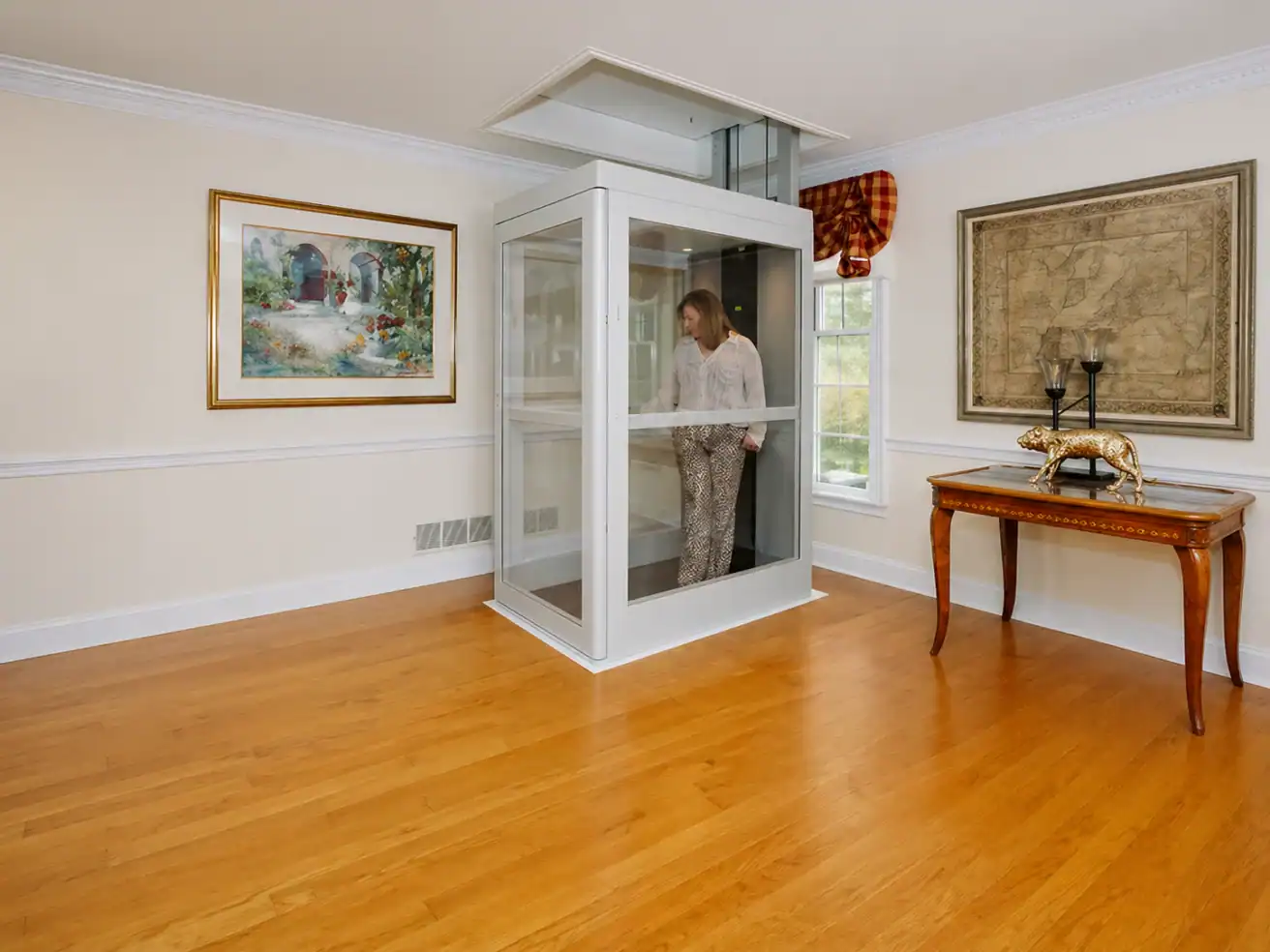
Ceiling-mounted systems
For long-term care needs, ceiling lift systems can provide smoother transfers along a fixed path. They can be useful in bedrooms, bathrooms, or other high-use areas where predictable support is needed every day.
These systems can help reduce repeated physical stress and may improve comfort for both the caregiver and the user.
Bathroom and access upgrades
In some cases, the safest solution is not only a lift. A better home patient handling plan may also include accessibility improvements that make movement easier before and after a transfer.
Examples include:
- Grab bars
- Bath safety modifications
- Ramps for easier entry and exit
- Improved access between key living spaces
When the full environment works better, caregiving usually becomes easier too.
How to Choose the Right Home Patient Handling Setup
The best equipment is the one that fits the real care routine. Before choosing a solution, it helps to evaluate the following:
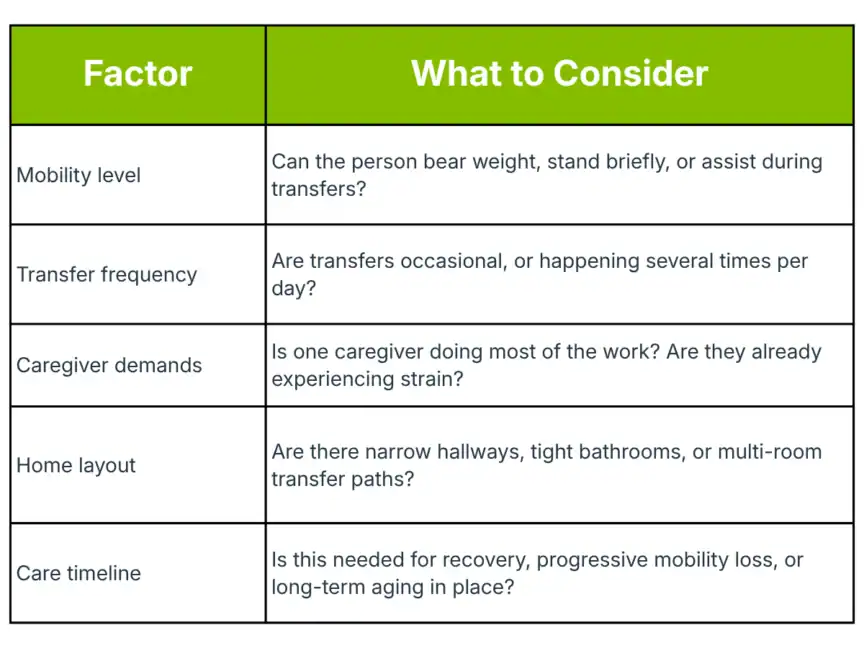
This kind of review helps families avoid buying equipment that is either too limited or more complex than necessary.
When to Consider a Patient Lift in Abbeville
A patient lift may be the right next step when transfers are no longer predictable or safe with hands-on support alone.
You may want to explore a patient lift in Abbeville if:
- A loved one has become harder to reposition safely
- Caregivers are feeling worn down after transfers
- There has been a close call, slip, or painful movement during assistance
- Bathroom or bedroom transfers now take too much effort
- You want a safer long-term setup at home
The earlier these issues are addressed, the easier it is to build a routine that protects both the caregiver and the person receiving care.
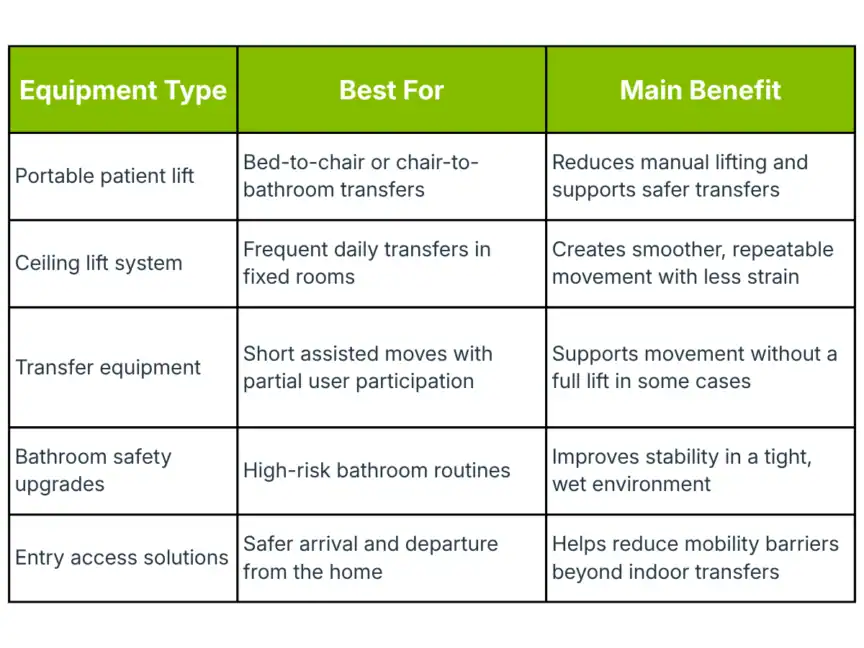
Comparison Table: Common Equipment and Best Use Cases
Why Professional Evaluation Matters
Choosing home mobility equipment is not just about product type. It is about fit, safety, and daily use.
A professional consultation can help identify:
- Where caregiver strain is happening most
- Which transfers carry the most risk
- What type of equipment matches the user’s mobility level
- Whether the home needs added accessibility improvements
That is especially important for families who are comparing transfer equipment, evaluating caregiver safety concerns, or planning a more complete home patient handling setup.
For broader local support, families can explore the 101 Mobility Lafayette location and learn more about patient handling solutions designed to make care at home safer and easier.
FAQs
What are caregiver mobility solutions?
Caregiver mobility solutions are equipment and accessibility tools that help make daily assistance safer and easier. They can include patient lifts, transfer equipment, ceiling lift systems, and home modifications that reduce physical strain during care.
When should a family consider transfer equipment?
Transfer equipment may be appropriate when a loved one needs help moving between surfaces, but a full manual lift is becoming difficult, unsafe, or physically exhausting for the caregiver.
Is a patient lift better than manual transfers?
In many situations, yes. A patient lift can reduce the need for repeated manual lifting, improve caregiver safety, and create more controlled transfers for the person receiving care.
Can home patient handling solutions work in smaller homes?
Often, yes. The right option depends on the layout, turning space, and where transfers happen most often. A professional evaluation can help determine what will work best in the available space.
What should caregivers look for first?
Start with the most difficult daily transfer. In many homes, that is the clearest sign of what type of support is needed first.
Make Daily Care Safer and Easier
If daily transfers are becoming harder, the right equipment can make a meaningful difference. Thoughtful caregiver mobility solutions in Abbeville can reduce strain, improve safety, and support more comfortable care at home.
Book a Free Consultation to explore practical options for your home, your care routine, and your loved one’s mobility needs.