Bathroom Transfer Safety in St. Martinville: Helpful Updates Beyond Grab Bars
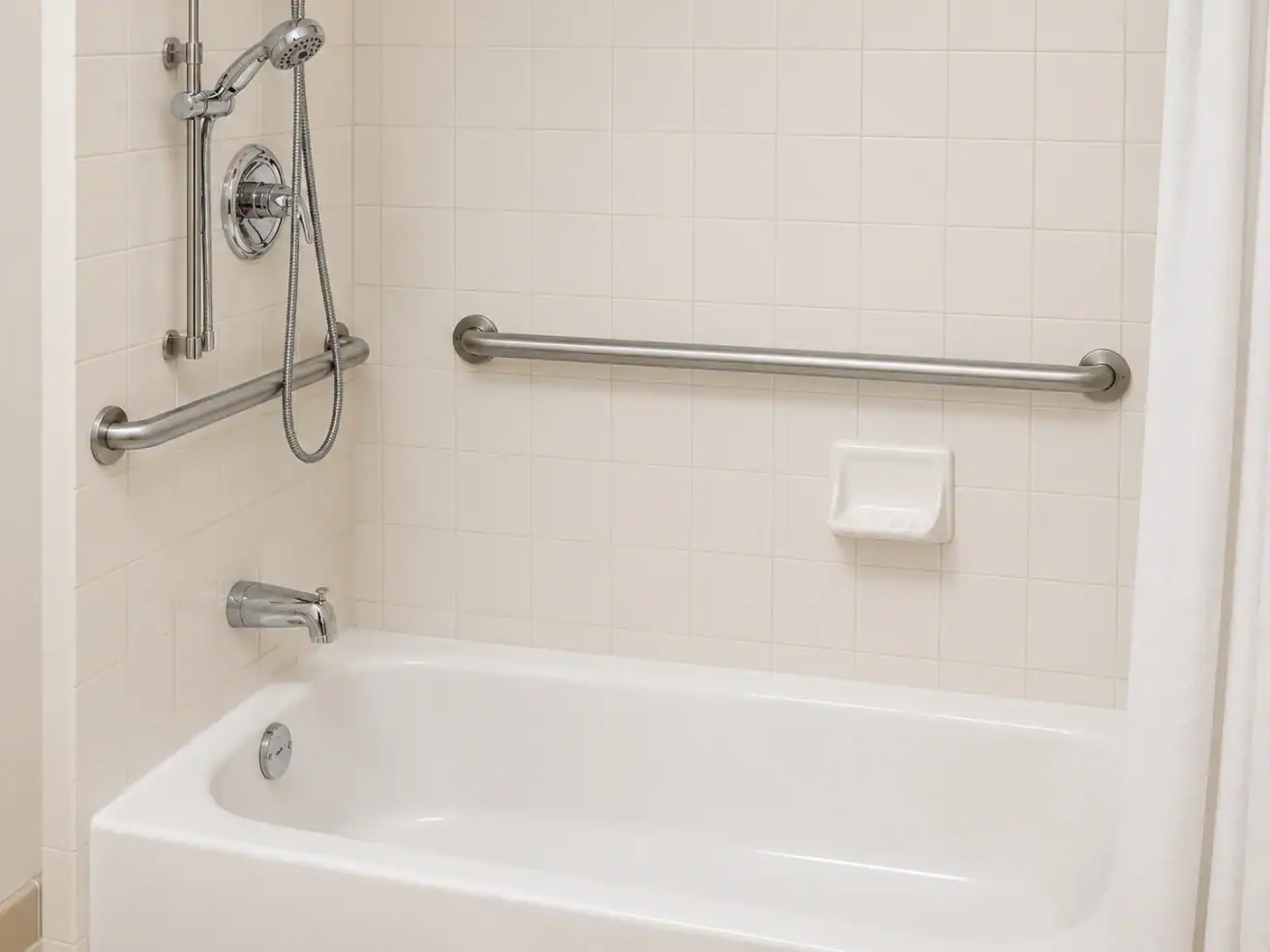
When a bathroom starts to feel harder to use, the problem is often not the room itself. It is the transfer.
Getting into the shower, lowering onto the toilet, standing back up, and moving safely on a wet floor can become daily stress points. Grab bars can help, but they are only one part of a safer setup. For many homes in St. Martinville, better bathroom transfer safety comes from improving how the whole space works together.
That can include shower entry support, seated bathing options, better toilet transfer assistance, slip resistance, stronger lighting, and enough room for a caregiver to help when needed. If the goal is safer daily use, the best answer is usually a layout that matches the person and the home, not a one-product fix.
For homeowners and families exploring options, 101 Mobility Lafayette can help evaluate the space and recommend a practical plan.
Why bathroom transfers deserve more attention
A bathroom can look manageable and still feel unsafe during real use.
That is because transfers involve several movements at once: turning, reaching, lowering, standing, balancing, and stepping over thresholds or tub walls. Even a well-placed bar may not fully solve the issue if the user still has to pivot in a tight space or step into a slippery shower.
A safer bathroom usually comes from reducing the number of difficult movements, not just adding more support points.
Bathroom transfer safety in St. Martinville starts with the layout
Before choosing equipment, it helps to look at the layout itself.
Ask questions like:
- Is there a high tub wall to clear?
- Is the toilet too low for easier sit-to-stand movement?
- Is there enough room to approach the shower or toilet safely?
- Is the floor surface slippery when wet?
- Is there enough open space for a walker, wheelchair, or caregiver?
These questions matter because the right update depends on how the bathroom is actually used. A narrow room may need a compact transfer solution. A tub-and-toilet layout may benefit from a sliding bench. A step-in shower may call for seated entry support instead of a stand-and-step approach.
Shower entry updates that can make transfers safer
Transfer benches and seated shower access
For many people, shower entry is the hardest part of the bathroom.
A transfer bench can reduce the need to step over a tub wall while standing. Instead, the user can sit first and move into position more safely. This can be especially helpful after surgery, during recovery, or when balance is limited.
Some bathrooms may benefit from more specialized transfer systems. Options such as the ShowerBuddy SB-1, ShowerGlyde, or TubBuddy are designed around seated transfers and can support specific bathroom layouts. That matters when the goal is not just bathing, but entering and exiting the bathing area with less strain and less risk.
Roll-in and step-in shower options
The right shower transfer support depends on the type of shower.
If the home has a roll-in shower, a solution designed for roll-in access may be the better fit. If the home has a step-in shower or a tub-shower combo, the safer answer may be a seated transfer chair or sliding bench that matches the entry style.
The best question is not “What product is most popular?” It is “What makes this transfer safer in this bathroom?”
Toilet transfer updates beyond a wall-mounted bar
Toilet safety is about more than having something to hold onto.
The height of the toilet, the user’s leg strength, the direction of transfer, and the available floor space all affect whether the transfer feels stable. In some bathrooms, a traditional grab bar setup works well. In others, a vertical support solution may better assist with standing and pivoting.
Products such as the HealthCraft SuperPole and SuperBar can provide centralized support where a wall bar may not be enough or may not be in the ideal position. That can be useful when a user needs help with balance during sit-to-stand movement or needs support from multiple angles.
Small details that improve fall prevention in the bathroom
Some of the most effective bathroom safety updates are also the easiest to overlook.
Non-slip surfaces
A safer transfer starts at the floor. Wet, slick surfaces increase the risk of slipping before or after the transfer itself. Improving traction near the shower, tub, and toilet can make the whole room more stable.
Lighting
Poor lighting makes depth, edges, and moisture harder to see. Better bathroom lighting can improve confidence during early morning or nighttime use and help users judge distances more accurately.
Clear floor space
A crowded bathroom can turn a simple transfer into a complicated one. Trash cans, small storage units, rugs, and baskets placed near the toilet or shower can create obstacles at exactly the wrong moment.
Smart storage placement
Frequently used items should be reachable without twisting, bending, or overreaching from a seated or standing position.
Don’t overlook caregiver space
Bathroom transfer safety is not only about the user.
If a spouse, family member, or caregiver helps with daily routines, the room needs enough working space for that help to be safe too. Tight clearances can force awkward lifting, blocked foot placement, or difficult turning angles.
A bathroom that technically fits one person may still be a poor fit for assisted transfers. That is one reason layout-based planning matters so much.
What type of bathroom safety setup may fit best
| Need | What may help |
|---|---|
| Extra stability near shower or toilet | Grab bars placed for the actual transfer path |
| Support for standing and pivoting | SuperPole or SuperBar-style support |
| Safer tub entry while seated | Transfer bench or TubBuddy-style solution |
| Safer shower entry without standing step-over movement | ShowerBuddy or ShowerGlyde-style transfer support |
| Better everyday safety overall | Non-slip flooring, lighting, clear pathways, and better layout use |
The right choice depends on the transfer challenge, the room dimensions, and whether the bathroom needs to support independent use, assisted use, or both.
Key takeaways
- Grab bars help, but they do not solve every transfer problem.
- Shower entry and toilet transfers often need a full-layout approach.
- Seated transfer solutions can reduce the need for risky step-over movement.
- Lighting, flooring, and caregiver space matter just as much as hardware.
- The safest bathroom setup is the one that fits the user and the room together.
Frequently asked questions
Are grab bars enough for bathroom transfer safety?
Sometimes, but not always. If the main issue is stepping into a shower, lowering onto a toilet, or turning in a tight space, additional transfer support or layout changes may be needed.
What helps with shower transfer support?
That depends on the shower type and the user’s mobility. Transfer benches, sliding benches, and seated transfer systems can all help when standing entry feels unsafe.
What improves toilet safety at home?
Good support placement, proper transfer clearance, stable flooring, and in some cases more specialized standing-assist support can all improve toilet safety.
When should a family ask for a bathroom safety consultation?
A good time is when transfers start feeling slower, more tiring, or less confident, or when a loved one begins avoiding bathing or needs more hands-on help in the bathroom.
Next step
If your household is looking for better bathroom transfer safety in St. Martinville, the goal should be a setup that supports real movement, not just a quick add-on.
Explore bathroom safety solutions or connect with 101 Mobility Lafayette to Book a Free Consultation and find a bathroom safety plan that fits the space, the user, and the daily routine.