Back-to-Routine Home Accessibility in Youngsville: Safer Movement Before Fall Schedules Return
Summer often feels flexible. Fall does not.
As routines tighten in Youngsville, small mobility issues at home tend to show up faster. A step that felt manageable in July can become a daily problem once mornings start earlier, bathroom timing gets compressed, caregivers rotate coverage, and everyone moves through the house on a more fixed schedule. That is why back to routine accessibility Youngsville planning works best before fall schedules return, not after a close call.
For many households, the goal is simple: make daily movement safer, smoother, and less stressful. That may mean improving a front entry, rethinking bathroom access, reducing stair strain, or planning better support for aging in place. 101 Mobility’s customer-content strategy is built around exactly this kind of practical problem-solving: connecting real mobility challenges to clear next steps and customized solutions.
Why back-to-routine accessibility matters in Youngsville
When household routines change, movement patterns change too.
Earlier departures, tighter bathroom schedules, more carrying, more transfers, and less downtime between activities all increase the chance that a difficult path through the home becomes a daily safety issue. What matters most is not just whether a home has stairs, thresholds, or a narrow bathroom. It is whether those features interrupt real routines often enough to create risk, delay, or dependence.
That is where home accessibility Youngsville planning becomes practical. Instead of waiting until a fall, missed transfer, or rushed morning problem forces a decision, families can review the home now and make smarter adjustments before the busiest part of the year starts.
Where daily routines usually break down first
The most useful accessibility review starts with the path people actually use every day.
| Routine Zone | Common Problem | Why It Gets Worse Before Fall | Possible Solution Direction |
|---|---|---|---|
| Front entry or garage | Steps, uneven transitions, hard-to-manage rise | More frequent exits, school and work timing pressure | Ramp solutions, outdoor accessibility solutions |
| Bathroom | Tight turns, slippery transfers, delayed access | Morning overlap and rushed use | Bathroom safety solutions |
| Stairs | Fatigue, pain, instability, slow transitions | More trips up and down during structured days | Stair access solutions |
| Split-level or multistory layout | Daily strain between floors | Repeated use becomes less manageable | Home elevator solutions or stair access options |
| Caregiver-supported spaces | Difficult transfers and physical strain | Less flexibility during handoff times | Bathroom, transfer, or mobility access planning |
101 Mobility of Lafayette highlights stairlifts, wheelchair ramps, home elevators, platform lifts, bathroom safety, outdoor accessibility, and patient handling among its mobility categories, which makes this kind of whole-home planning especially relevant for households comparing options before needs become urgent.
Back to routine accessibility in Youngsville starts with the daily path
A better question than “What product do we need?” is:
Where does the routine slow down or become unsafe?
Start with the path from bedroom to bathroom, then bathroom to kitchen, then kitchen to exit. Add the return path in the afternoon or evening. If someone in the home is dealing with limited balance, reduced stamina, joint pain, walker use, wheelchair use, or caregiver support, that full route matters more than any single room.
This is the core of effective daily mobility support. It is not just about a product category. It is about making the home work better during the exact hours when movement matters most.
Accessibility upgrades that support safer home routines
1. Safer entries and exits
If the day starts with a difficult porch, garage lip, or front step, everything after that gets harder.
Ramp and outdoor accessibility options are often useful when the issue is getting in and out of the home consistently and confidently. 101 Mobility’s Lafayette page specifically points to ramp solutions for safer front-step navigation and outdoor accessibility options for porches, decks, and elevated terrain.
2. Bathroom timing that does not create risk
Bathrooms become a bigger issue when multiple people need the space within a short window, or when one person needs extra time and support.
Bathroom safety updates can help reduce awkward movement, slippery transfers, and rushed decisions. 101 Mobility describes its bathroom safety solutions as ranging from minor modifications to fuller renovations, with a focus on safer navigation and fall prevention.
3. Better stair access during busy parts of the day
A staircase may be manageable once or twice. It is different when it becomes part of a repeated morning and evening routine.
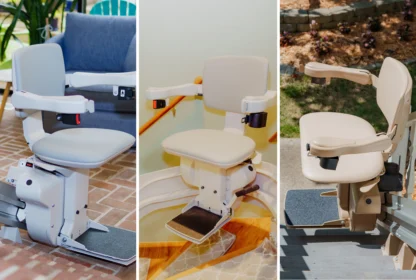
101 Mobility’s stair access category includes straight stairlifts, curved stairlifts, outdoor stairlifts, and platform lifts, all positioned around safer access to different levels of the home. That makes stair planning one of the most direct ways to support safer home routines when upper floors remain part of daily use.
4. Long-term planning for multistory living
For some households, fall planning is the right time to think beyond the next few months.
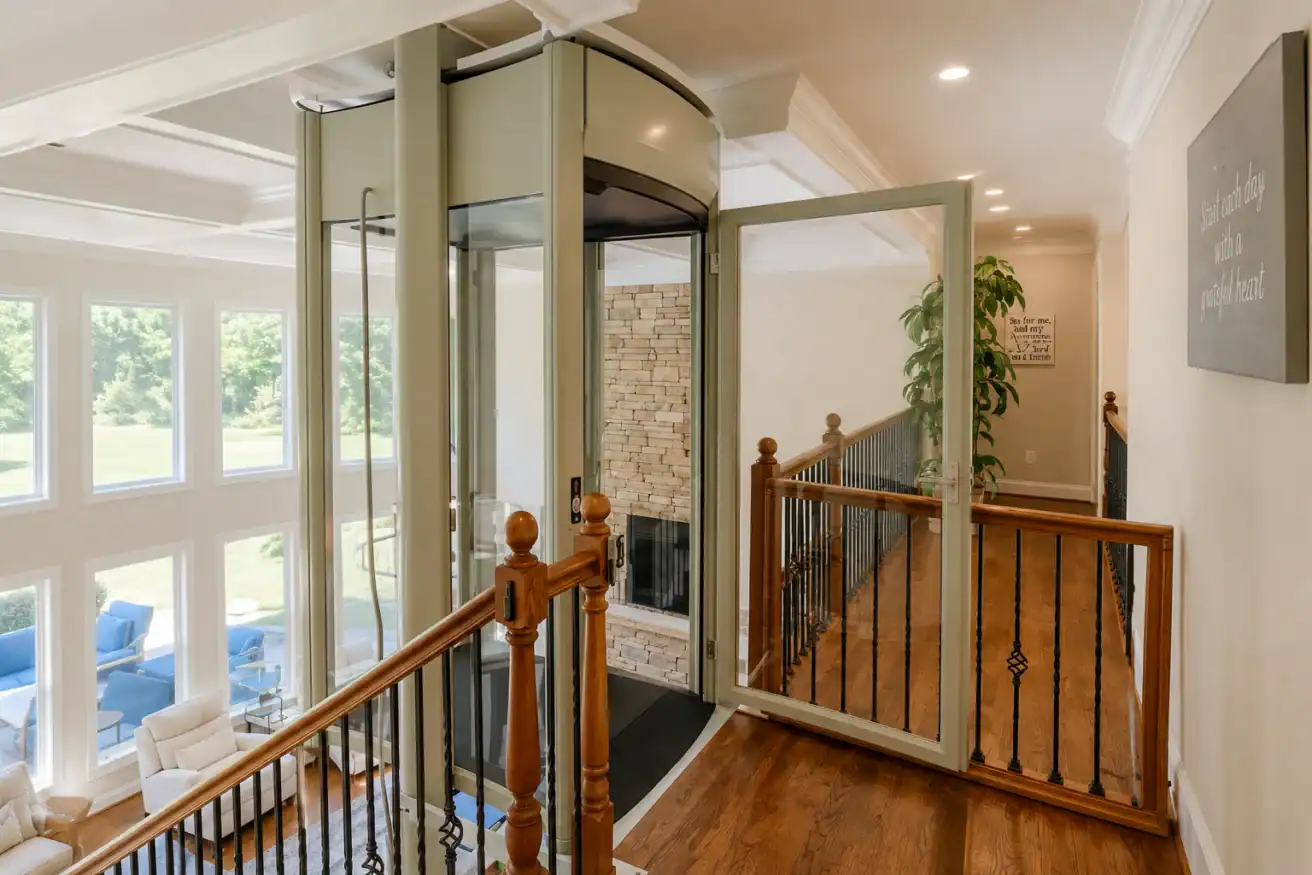
If the concern is long-term access between floors, a home elevator or home lift may fit the bigger aging in place picture better than a short-term workaround. 101 Mobility presents home elevator solutions as a comfortable, efficient way to support multistory access at home.
5. Better support for caregiver coverage and handoffs
When family members or caregivers help with transfers, bathing, or room-to-room movement, routine pressure affects them too.
101 Mobility’s internal positioning emphasizes reducing caregiver strain, supporting aging in place, and making daily movement safer and easier through customized recommendations and a guided process. That is especially relevant in homes where one person’s schedule affects everyone else’s safety and pace.
A simple pre-fall accessibility checklist
Use this quick review before schedules tighten:
| Checkpoint | What to Ask |
|---|---|
| Morning exit path | Can the main user get from bedroom to door without rushing, pain, or unsafe support? |
| Bathroom access | Is there enough space, stability, and time for safe bathroom use during busy hours? |
| Stair use | Does anyone avoid stairs, delay trips, or need help more often than before? |
| Entry surface | Are steps, thresholds, or outdoor transitions slowing down daily entry and exit? |
| Caregiver effort | Are transfers or support tasks becoming more physically demanding? |
| Long-term fit | Does the home still support aging in place if routines stay busy through the year? |
If two or more of those answers raise concern, the home likely needs more than a temporary workaround.
Who should plan now
This type of review is especially useful for:
- Households supporting an older adult at home
- Families helping a parent stay independent longer
- People returning to structured schedules after surgery or rehab
- Homes where the bathroom, stairs, or entry already feel slower than they used to
- Families who want proactive aging in place planning before needs become urgent
101 Mobility’s own content direction specifically targets people actively solving a mobility problem, family members helping make the decision, and households planning ahead before the need becomes urgent.
FAQ
What does back-to-routine accessibility mean?
It means reviewing how a home supports daily movement before fall schedules make small mobility issues more noticeable. The focus is on safer entries, stairs, bathrooms, and common movement paths.
Why plan accessibility updates before fall instead of later?
Because routine pressure reveals weak points quickly. Earlier mornings, tighter schedules, and less flexibility can turn a manageable inconvenience into a repeated safety concern.
What part of the home should be reviewed first?
Start with the daily path: bedroom, bathroom, kitchen, and main exit. That route usually reveals the biggest friction points.
Is this only for seniors?
No. It can also help people recovering from surgery, living with mobility changes, using walkers or wheelchairs, or supporting a loved one with caregiver assistance.
How do families know which solution fits best?
A consultation helps match the home layout, routine demands, and mobility needs to the right recommendation. 101 Mobility describes its process as personalized and no-cost, with in-home consultations and solution guidance.
Make fall routines easier before they get harder
The best time to improve a difficult routine is before it becomes a daily source of stress.
If your household is reviewing back to routine accessibility Youngsville concerns, start with the path you use most, then look at the places where timing, stairs, entries, and bathroom use create friction. From there, you can explore solutions through 101 Mobility of Lafayette, including stair access, ramp solutions, bathroom safety, home elevator solutions, and outdoor accessibility solutions. When you are ready for a tailored recommendation, Book a Free Consultation.