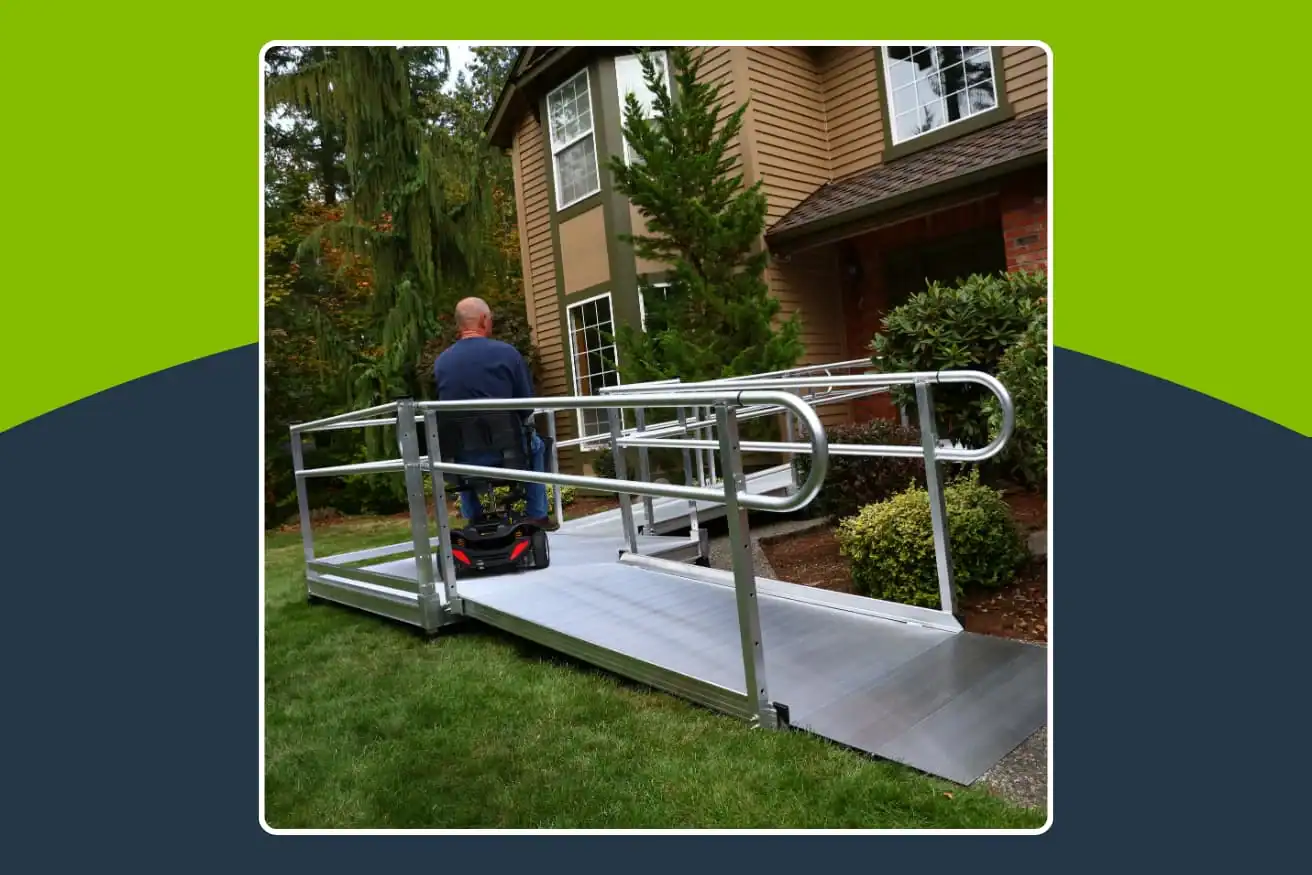
Restoring freedom at home often starts right at the front door. If you or a loved one are planning for aging in place, recovering from surgery, or dealing with mobility changes, navigating stairs can suddenly feel overwhelming. At 101 Mobility, we are here to help make it easier. Choosing the right wheelchair ramp ensures you can maintain your independence and safety at home, while also enhancing the look and accessibility of your environment.
We’ve created this guide to help you and your loved ones make informed decisions that fit both physical needs and aesthetic preferences. We will walk you through exactly how to choose the right wheelchair ramp from start to finish.
Assess Your Mobility Needs and Home Environment
Before you start measuring or looking at materials, take a moment to reflect on your specific situation. Setting clear goals right now ensures your home wheelchair ramp meets your needs both today and in the future.
Start by listing the mobility devices you use. A manual wheelchair, a heavy power chair, and a mobility scooter all have different weight and turning requirements. Next, consider how the ramp will be used. Will you travel up and down the ramp independently, or will a caregiver assist you?
Take a quick walk around your home to inventory your routine pathways. Look for potential obstacles like steep steps, raised thresholds, narrow doorways, porch landings, and uneven ground. Finally, think about the visual impact on your home. You want a ramp that balances practical safety with your personal aesthetic preferences, so it feels like a natural part of your home.
Measure the Rise and Available Space
Accurate measurements are the foundation of a safe, functional ramp. Getting this right prevents dangerous steep inclines and ensures a smooth ride.
First, you need to understand two basic terms: rise and run.
- Rise: Measure the rise in inches. This is the vertical height straight up from the ground to the top of your threshold or landing.
- Run: This is the straight-line ground distance you have available for the ramp installation.
Take a look at your available yard or porch space. Note any tight space constraints, such as a short walkway or a limited turning radius. We highly recommend taking a few photos of the area to share during a consultation. If space is tight, do not worry. Modular designs or switchback layouts can easily fit a safe slope into a much smaller footprint.
Calculate the Appropriate Ramp Length and Slope
Ramp slope matters immensely for your safety and comfort. A gentle slope makes it easy to move, while a steep slope increases safety risks and puts unnecessary strain on you or your caregiver.
For maximum safety, we recommend following the ADA guideline: use a 1:12 slope. This simply means you need one inch of rise for every 12 inches (or one foot) of ramp length.
Here is a simple calculation table to help you estimate the length you need based on the 1:12 safety standard:
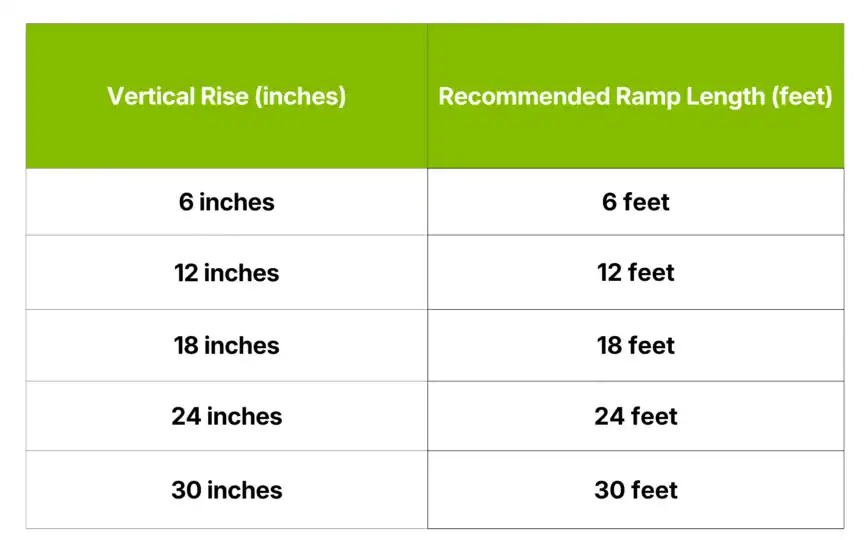
Ramp slope is calculated by rise divided by run. A smaller ratio means a gentler incline. Remember, longer ramps are always safer and easier to navigate.
Choose the Right Type of Wheelchair Ramp
With your measurements in hand, you can compare ramp types to find the best fit for your home, usage frequency, and budget. Many families typically start with a portable option and eventually upgrade to a modular system as their needs evolve.
Here is a breakdown of the most common ramp types to help you choose:

Verify Safety Features and Accessibility Requirements
No matter which type you choose, your home wheelchair ramp must include specific safety elements. Your peace of mind depends on a secure, stable structure.
First, check the weight capacity. Ensure the ramp capacity exceeds the combined weight of the user and the heaviest mobility device. Ramps with a capacity of 800 pounds or more provide excellent stability for heavier power wheelchairs and scooters. Also, look for a minimum clear width of 36 inches to guarantee comfort and compatibility with your equipment.
Always insist on these must-have safety features:
- Non-slip surfaces: Textured or perforated decking provides vital traction during wet or icy weather.
- Handrails: Essential for stability and safety on long or steep ramps.
- Edge protection: Curbs or raised edges prevent wheels from accidentally rolling off the side.
- Level landings: Flat resting pads at the top and bottom are required for safe stopping and turning.
- Visual contrast: Bright colors or tactile cues help those with vision impairments easily detect ramp edges.
Select Durable Materials and Weather-Resistant Options
You want your ramp to last, require minimal upkeep, and look attractive for years to come. Selecting the right ramp materials makes all the difference, especially when creating an outdoor wheelchair ramp.
- Aluminum: This is the gold standard for modular and portable ramps. It is lightweight, incredibly durable, and naturally rust-resistant. Aluminum provides the best weather-resistant wheelchair ramps for harsh climates.
- Steel: Steel is exceptionally strong and durable. However, it is much heavier than aluminum and requires high-quality anti-corrosion coatings to prevent rust.
- Wood: Wood offers a beautiful, natural look that matches traditional home exteriors. Keep in mind that wooden ramps require regular sealing and much more maintenance to survive outdoor conditions.
Match your material finishes and colors to complement your home exterior. A well-designed ramp can integrate seamlessly and could improve your curb appeal.
Understand Local Codes and Permit Requirements
Building codes and accessibility standards exist to protect everyone. While residential projects are not always legally required to follow commercial ADA design standards, doing so is the absolute best practice for your safety and your home’s resale value.
Before installing a permanent or modular structure, check your local building codes, homeowners’ association rules, and permit requirements. Code-compliant ramps are far more likely to meet insurance and liability requirements, ensuring ultimate safety for both residents and visiting friends.
Consult a Mobility Specialist for Custom Solutions
Professional guidance delivers peace of mind and ensures safe, precise outcomes for complex installations. We strongly suggest consulting a certified ramp installer or an occupational therapist, especially for large, custom, or high-rise projects. Trying ramps in person, reviewing hands-on material samples, and having an expert assess your space removes all the guesswork. Qualified professionals help with measurement, design, code compliance, and creating aesthetically pleasing solutions tailored directly to you.
Frequently Asked Questions
How do I measure the rise and calculate the correct ramp length?
To find the right ramp length, measure the vertical height from the ground to your threshold and follow the 1:12 guideline: for every inch of rise, plan one foot of ramp length.
Should I choose a portable ramp or a permanent modular ramp?
Choose a portable ramp for temporary, rental, or travel needs. Select a modular ramp for daily use, higher rises, and a more permanent, customizable solution that adapts to your home.
What width and weight capacity should my ramp have?
Your ramp should be at least 36 inches wide and support much more than the combined weight of you and your mobility device. Many heavy-duty models easily accommodate 800 pounds or more.
What safety features are essential for a wheelchair ramp?
Key safety features include non-slip surfaces for bad weather, handrails for longer ramps, edge protection to prevent rolling off, and level landings for safe entry and exit.
When is it necessary to install a wheelchair ramp in my home?
If you or someone you care for struggles with stairs, uses a wheelchair or scooter, or plans to age in place safely, installing a ramp makes home access secure, easy, and stress-free.
Regain Your Freedom Today
Choosing the right wheelchair ramp is a powerful step toward maintaining your independent mobility and living safely in the home you love. By carefully assessing your needs, taking accurate measurements, and prioritizing critical safety features, you can find a solution that offers peace of mind. If you are ready to explore tailored options, reach out to our mobility experts for a free consultation. We are here to help you design a safe, beautiful, and fully accessible home.
Contact us now for a free consultation, and we can schedule a time to talk about your wheelchair ramp needs and find the best option for your home.