Temporary Mobility Solutions for Injury Recovery: How to Choose the Right Option
This article is for general information only and is not medical advice. Always follow your doctor or physical therapist’s specific instructions for weight-bearing status and device selection.
Leaving the doctor’s office with a boot, a brace, and a list of restrictions can feel like a lot to absorb in one appointment. Maybe you can’t put weight on one leg. Maybe an arm is off-limits entirely. Then you’re sent home to figure out the rest on your own.
Here’s the reassuring part: you have options, and they’ll change as you heal. What starts as a wheelchair for a non-weight-bearing injury might become a cane within a few weeks. Recovery isn’t a fixed state; it’s a moving target, and your mobility equipment should move with it.
This guide walks through the most common temporary mobility solutions, how to match them to your specific injury and restrictions, what each one asks of you in effort and cost, and what to expect when it comes to renting, buying, and insurance. The goal is a short-term fit, not a permanent purchase.

What Counts as a Temporary Mobility Solution?
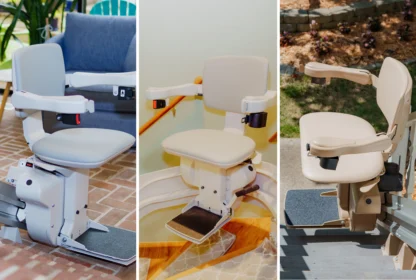
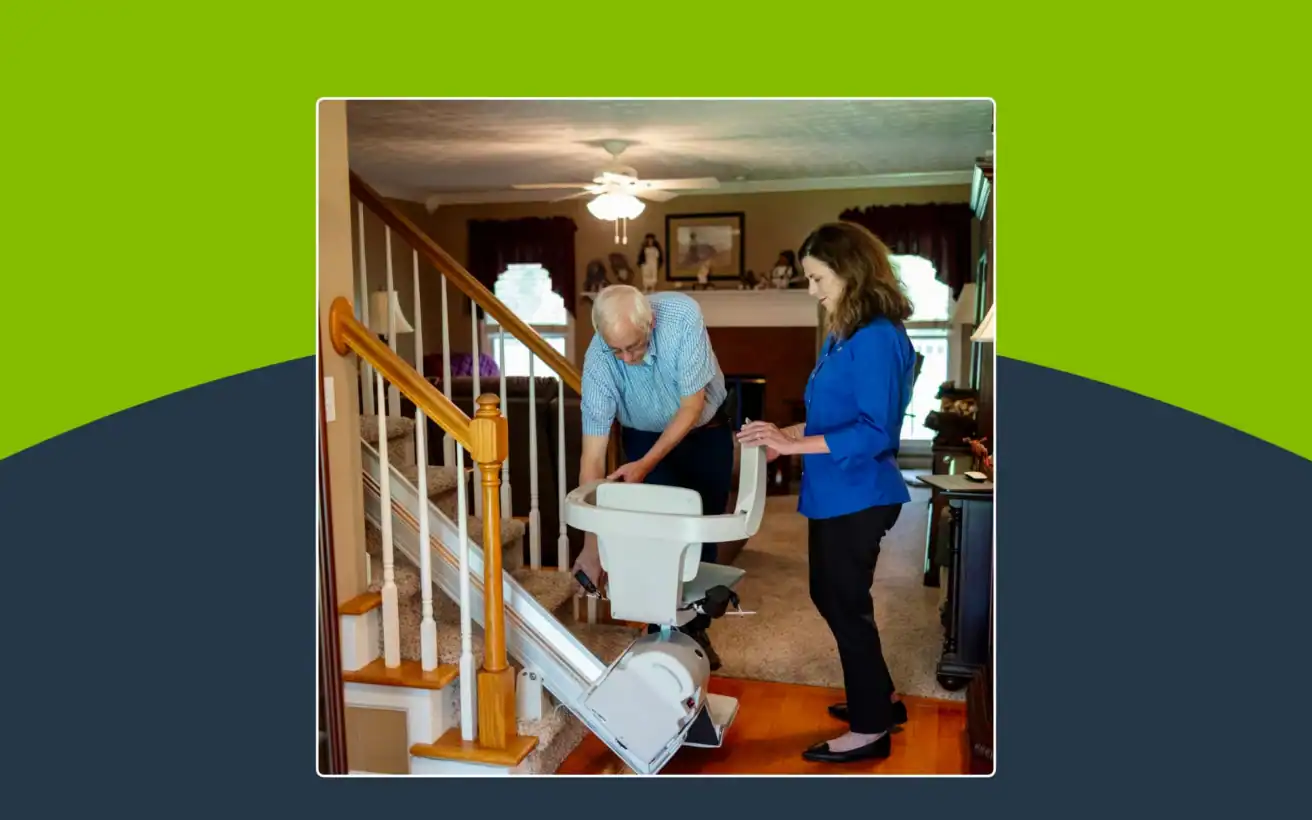
Temporary mobility solutions are devices, rentals or home adjustments used for a defined recovery window (weeks or months, not years). Some equipment people think of as long-term can also be temporary. If stairs are the hardest part of your home right now, a stairlift rental can bridge the gap until you’re cleared for stairs again, and a rented modular wheelchair ramp can handle entry steps without a permanent change to your home. 101 Mobility offers rental solutions for lift chairs, patient lifts, power chairs & scooters, stairlifts and wheelchair ramps. Availability varies by location.
Temporary mobility solutions generally fall into three categories:
- Walking aids: crutches, canes, rollators and walkers, which support you while you remain upright and bear some weight through your legs or arms.
- Wheeled options: knee scooters, transport chairs, and wheelchairs, which take the strain off your legs entirely by letting you sit or roll.
- Non-device supports: shower chairs, grab bars, ramps and other home modifications that reduce fall risk without being a device you carry with you.
Thinking of these as temporary matters because it changes the math. A device you’ll use for six weeks is often better rented than bought, and a home change that only needs to last a few months doesn’t need to be permanent.
Matching the Solution to Your Injury and Restrictions
The right device comes down to three factors: which limb is affected, your weight-bearing status, and how long you’ll need support. Your doctor or physical therapist will tell you exactly how much weight you can put on an injured limb and when that status changes. Follow their specific instructions, not general guidance from an article.
In plain terms, weight-bearing status usually falls into one of these categories:
- Non-weight-bearing: no weight at all on the injured leg.
- Toe-touch weight-bearing: your toes can rest on the ground for balance, but almost no weight goes through the leg.
- Partial weight-bearing: limited weight, as directed by your provider.
- Weight-bearing as tolerated: as much weight as feels comfortable.
- Full weight-bearing: no restrictions.
A few common scenarios show how this plays out in real life.
Foot or ankle injury, non-weight-bearing. Many people in this situation compare a knee scooter vs crutches. A knee scooter lets you rest the injured leg on a padded platform while rolling forward on wheels, which can reduce upper-body fatigue compared to crutches and leaves your hands freer. According to Alberta Health Services (2025), knee scooters are best for short-term use and require good strength and control in the uninjured leg. They are not recommended for people with balance, coordination, or vision issues. They should never be used on stairs.
Balance concerns or lower-body weakness. If you can walk steadily but tire quickly or need light balance support, a rollator, a walker with wheels, hand brakes, and a built-in seat, lets you stop and rest along the way. If you need to lean heavily on a device, a standard walker without wheels is usually more stable, because it won’t roll away from you. Your physical therapist can tell you which fits your situation.
Knee or leg surgery with partial weight-bearing. Crutches or a walker are common choices here, since both allow controlled, gradual weight distribution as your provider adjusts your restrictions over time.
Upper-body or arm injury. An arm, wrist, or shoulder injury on its own usually doesn’t require a mobility device, since your legs can still carry you. The challenge comes when an arm injury and a leg injury happen together, because crutches and standard walkers depend on both hands. In that case, options include a platform attachment that lets you bear weight through your forearm, or a transport chair pushed by a caregiver. A self-propelled wheelchair also needs two working arms unless it’s set up for one-handed use.
Recovery measured in months. If you’ll be non-weight-bearing for several months, a wheelchair at home may be less tiring than crutches all day. Before renting one, measure your doorways and check that you have room to turn in the bathroom and bedroom.
Whatever your situation, the device your clinician recommends today may not be the one you use in a month. Plan to check in as your restrictions change.
Comparing the Most Common Options
Every device trades off ease of use, strength required, and maneuverability differently. Here’s how the most common temporary mobility solutions stack up.
| Device | Ease of Use | Strength Required | Maneuverability | Stairs | Carrying Things |
| Crutches | Moderate and takes practice | High (arms and shoulders) | Good on flat ground | Possible with training | Hands are busy, use a backpack |
| Cane | Easy | Low | Very good | Yes, with handrail | One free hand |
| Walker | Easy | Low to moderate (arms take weight) | Good indoors but can be bulky in tight spaces | Not recommended | Pouch or tray helps |
| Rollator | Easy | Low but needs steady footing | Good, includes seat | Not recommended | Seat bag or basket |
| Knee Scooter | Moderate and takes balance | Moderate (uninjured leg) | Very good on smooth floors | Never | Front basket |
| Transport Chair | Easy for the user | Requires a pusher | Good with assistance | Not recommended | On your lap |
| Wheelchair | Moderate (self-propelled) or easy (with assistance) | Moderate to high if self-propelled | Good on smooth, wide paths; does need turning space | Not recommended | On your lap |
Crutches, Canes, Walkers, and Rollators
These walking aids keep you upright and typically require some ability to bear weight or control your balance. A cane gives light balance help, while a standard walker gives the most support for shifting weight off a leg. Crutches demand the most upper-body strength, and a rollator trades some stability for wheels, brakes, and a seat.
Correct fit is a common, fixable source of pain. With crutches, the Cleveland Clinic recommends that the top should hit two finger widths below your armpits and the handgrips should be near your hips. For canes and walkers, the handle should line up with the crease of your wrist when your arms hang at your sides. The American Academy of Orthopaedic Surgeons’ guide to using crutches, canes, and walkers walks through fitting and technique.
Knee Scooters, Transport Chairs, and Wheelchairs
Wheeled options take pressure off your legs entirely. A knee scooter works best for single-leg, below-the-knee injuries where you have good balance, and it keeps your hands mostly free. A transport chair has small wheels and needs someone to push it, while a manual wheelchair lets you move independently but needs adequate door widths, turning space, and upper-body strength. Transport chairs and wheelchairs suit broader mobility restrictions, but neither is designed for stairs, so be sure to plan your route around that limitation. Crutches, canes, and walkers are widely available at pharmacies; wheelchairs and knee scooters are more often rented, and many suppliers offer delivery.

Renting, Buying, and What Insurance May Cover
Should you rent or buy?
For short recovery windows, mobility equipment rental from a local supplier often makes more sense than buying outright, especially for bulkier equipment like wheelchairs, knee scooters, stairlifts, and ramps. You get the device for the weeks you need it, then return it when you no longer need it. For low-cost aids you’ll use every day, like a cane, buying is often cheaper than renting. If your recovery stretches longer, or you expect to need similar equipment again, buying may offer better value over time. Your state’s Assistive Technology Act program may also lend equipment; the AT3 Center lists programs by state.
What insurance may cover
Original Medicare Part B may help cover durable medical equipment, including canes, crutches, walkers, and wheelchairs when a doctor orders the device as medically necessary and it’s supplied through an enrolled provider. See Medicare’s coverage and popular topics page for details. Knee scooters are a common exception: Medicare generally doesn’t cover them, though some private plans do. Private insurance plans vary widely, so it’s worth calling your insurer directly and asking about:
- Whether you need a doctor’s order or prescription on file
- What documentation your doctor needs to provide
- In-network supplier requirements
- Rent-versus-buy rules under your plan
- Whether prior authorization is needed
Keep copies of your prescription and any paperwork from your provider as most suppliers will ask for it before releasing equipment.
Making the Home Work During Recovery
A few changes around the house can make a meaningful difference in home safety during injury recovery, especially in bathrooms and on stairs, where many recovery falls happen:
- Clear the path. Remove loose rugs, cords, and clutter from walkways, especially in hallways and near stairs. Aim for a path wide enough for your device through the main rooms.
- Secure the bathroom. Add a shower chair, a handheld shower sprayer, and grab bars near the toilet and tub. Grab bars should be anchored into wall studs or proper backing; suction-cup bars aren’t made to hold your body weight.
- Keep essentials within reach. Move everyday items to between waist and shoulder height so you aren’t bending or reaching while balancing on a device.
- Create a single-floor living zone. If stairs are off-limits, set up a temporary living space on one level, with a bed, bathroom, and kitchen essentials within easy reach. If you can’t avoid the stairs, ask your care team whether a short-term stairlift rental makes sense for your recovery.
- Smooth out the entry. A threshold ramp can handle a small lip at a doorway, and a rented modular ramp can cover entry steps for the length of your recovery.
- Light the way. Add nightlights along routes to the bathroom for safer nighttime trips.
These small adjustments reduce fall risk without requiring any major renovation and are about working with the space you already have. A physical or occupational therapist can also do a home assessment and point out risks specific to your layout.

Frequently Asked Questions
What are the best temporary mobility solutions for injury recovery?
The best option depends on which limb is injured, your weight-bearing status, and your home’s layout. Knee scooters and crutches are common for foot and ankle injuries, walkers and crutches for knee and hip surgery, and wheelchairs for longer non-weight-bearing periods. Many people switch devices as they heal, so confirm each choice with your doctor or physical therapist.
Is a knee scooter better than crutches after a foot or ankle injury?
It depends on your injury and your balance. Knee scooters can reduce arm and shoulder fatigue for below-the-knee, non-weight-bearing injuries, but they aren’t recommended for people with balance, coordination, or vision issues, and shouldn’t be used on stairs. Your clinician can help you decide which fits your situation.
What walking aids are typically used after surgery?
Crutches, walkers, and canes are common choices after surgery, depending on which limb was affected and your weight-bearing status. Your surgeon or physical therapist will specify which device matches your recovery plan.
Should I rent or buy mobility equipment for a short recovery?
For recoveries of a few weeks to a few months, renting usually makes more sense for larger equipment like wheelchairs, knee scooters, and stairlifts. Short term wheelchair rental costs vary by location, rental length, and supplier, so call a local medical supply store or ask your insurer about covered options. Low-cost items like canes are often cheaper to buy.
Does insurance pay for a wheelchair or walker during recovery?
Possibly. Original Medicare Part B may help cover certain durable medical equipment, including walkers and wheelchairs, when ordered by a doctor and supplied through an enrolled provider. Private insurance coverage varies, so confirm details directly with your insurer.
Choosing What Fits Your Recovery
Your mobility needs today may not be your mobility needs in a month. The goal isn’t to pick one perfect device; it’s to match the right support to where you are right now, then adjust as you heal.
If you’re unsure where to start, talk with your doctor or physical therapist about your weight-bearing status and which devices fit your specific injury, and consider a home assessment before a long recovery. From there, you can explore mobility equipment rental options or schedule a free in-home mobility consultation to find what works best for your home and your recovery timeline.