Is a Stairlift Tax Deductible? What Homeowners Should Know Before Year-End

Many people don’t realize that a stairlift or other home accessibility modification may qualify as a deductible medical expense, and not just a home improvement. If your modification meets certain IRS requirements, some or all of the cost could be deductible. Payment timing matters too: in many cases, expenses are counted in the year you pay them, which means acting before December 31 may affect your current return.
Picture this: a parent can no longer safely navigate the stairs to their bedroom. A family installs a stairlift because a fall is a real and growing risk. The cost feels significant. But there’s a silver lining: the IRS has long recognized that modifications like this serve a medical purpose. And medical expenses, under the right conditions, can be deductible.
This article gives you a plain-language overview of how that deduction generally works, who may qualify, which modifications tend to count, and why the end of the year matters. We’ll also touch on other funding options that can help make a stairlift or home modification more affordable.
Disclaimer: This article is for general informational purposes only and does not constitute tax or legal advice. Tax rules vary by situation and change over time. Always consult a qualified tax professional before making decisions about your specific circumstances.

Can a Stairlift Be a Medical Expense?
In many cases, yes. The IRS recognizes that certain home modifications installed primarily for medical care may qualify as deductible medical expenses, and not standard home improvements. The general idea, as outlined in IRS Publication 502, is that a modification’s deductibility often depends on whether it increases the home’s value and whether it was done for medical rather than personal reasons.
A stairlift, for example, typically doesn’t increase a home’s resale value as most buyers don’t see it as an upgrade. An elevator, on the other hand, may add value to a home, which can affect how much (if any) of the cost qualifies.
IRS Publication 502 lists many modifications it generally treats as not increasing a home’s value, including:
- Entrance or exit ramps
- Widened doorways and hallways
- Grab bars, handrails, and support bars
- Porch lifts and similar lift equipment
- Modified stairways
- Lowering kitchen cabinets and equipment
- Repositioned electrical outlets and fixtures
- Grading to improve access to the home
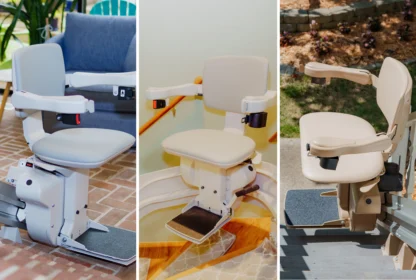
A stairlift fits naturally within this category. Publication 502 specifically includes “porch lifts and other forms of lifts,” while noting that elevators generally add value to a home. This full-cost treatment applies to modifications made for you, your spouse, or a dependent who lives with you. That said, the specifics of what qualifies and how much can be deducted depend on your individual situation. A tax professional can help you assess your options.
Who May Be Eligible?
The potential deduction isn’t just for homeowners making changes for themselves. According to IRS guidelines, you may be able to include medical expenses paid on behalf of yourself, your spouse, or a dependent.
That’s meaningful for adult children who step in to fund a parent’s home modification. If you provide more than half of your parent’s total support for the year, you may be able to include medical expenses you pay for them, even if their income is too high for you to claim them as a dependent otherwise. The specific rules around who qualifies as a dependent and how support is calculated can get nuanced, so this is another area where a tax professional’s guidance is valuable.
If you rent rather than own your home, the deduction may still apply. Publication 502 indicates that some modifications made by a person with a disability to a rented home can qualify, even if the landlord doesn’t pay for them. Your tax advisor can help you understand the documentation needed to support that kind of claim.

The Financial Requirements: A General Overview
Even when a modification meets the medical purpose test, two separate financial thresholds typically determine whether a deduction is available.
Itemizing vs. the Standard Deduction
The medical expense deduction is only available to those who itemize deductions on their federal return, rather than taking the standard deduction. For many households, a single home modification won’t be enough on its own to make itemizing worthwhile, but when added to other deductible costs like mortgage interest, charitable contributions, or additional medical expenses, the picture can change.
A tax professional can walk you through whether itemizing makes sense for your household this year.
The AGI Threshold
There’s also an income-based floor that limits how much of your medical expenses can actually be deducted. Under current IRS rules, only unreimbursed medical costs above 7.5% of your adjusted gross income (AGI) are deductible. What that means in practice: not every dollar of a qualifying modification is automatically deductible. The higher your income and the lower your other medical expenses, the smaller the potential deduction.
This is where timing can play a meaningful role. If you’re planning a stairlift installation or another qualifying modification, paying before December 31 rather than in January may allow those costs to count toward the current tax year, potentially making more of your total medical expenses deductible.
Your tax advisor can help you understand where you stand relative to the threshold and whether timing your payment could make a difference.
What Tends to Qualify vs. What Doesn’t
Likely yes: Stairlifts, wheelchair ramps, grab bars, widened doorways, grading for home access, modified stairways, and lowered cabinets. These are the kinds of modifications the IRS has identified as generally not increasing a home’s value.
It depends: Elevators and other modifications that may add value to a home fall into a grayer area. The deductible portion would generally be limited to the cost above any increase in the home’s market value. A real estate appraisal before and after the modification can be helpful documentation in these cases.
Likely no: Cosmetic upgrades, aesthetic changes, or improvements made primarily for resale value rather than medical need are unlikely to qualify.
It’s also worth knowing that ongoing maintenance and operation costs for a qualifying modification, things like annual servicing or repairs for a stairlift, may also be considered medical expenses, as long as the device continues to serve a medical purpose. Ask your tax professional about what records to keep.
Why Year-End Timing Can Matter
Medical expense deductions are generally tied to the year expenses are actually paid and not when services are scheduled or invoiced. That means if you’re considering a stairlift installation and you pay in December, those costs may count toward this year’s taxes. If payment happens in January, they shift to next year.
For some households, this distinction matters. If you’re close to having enough qualifying medical expenses to benefit from a deduction, timing a major modification payment strategically could affect when and whether that deduction applies.
Before year-end, it’s worth gathering:
- Itemized invoices for equipment and installation
- A letter from your physician documenting medical necessity
- A home value appraisal, if applicable
- Records of any insurance reimbursements received
Having this documentation in order makes the conversation with your tax professional much smoother.
Other Ways to Help Cover the Cost
A potential tax deduction is just one piece of the financial picture. Depending on your situation, there are other funding sources worth exploring:
- State-level tax credits: Some states offer their own credits for accessibility improvements. Coverage varies widely by location.
- HSA and FSA accounts: Health savings accounts and flexible spending accounts may be usable for qualifying accessibility modifications, since they follow similar medical expense rules. Keep in mind that you can’t use the same dollars twice. Any amount you pay with HSA or FSA funds can’t also be claimed as an itemized medical deduction. FSA plans also vary in what they’ll reimburse, so check with your plan administrator before you buy.
- VA grants: Veterans may qualify for housing adaptation grants such as the Home Improvements and Structural Alterations (HISA) grant, the Specially Adapted Housing (SAH) grant, or the Special Home Adaptation (SHA) grant.
- Medicaid waivers: Some states offer home and community-based services waivers that cover accessibility modifications for eligible individuals.
One important note: if part of your stairlift or home modification is paid for by a grant, Medicaid waiver, insurance, or a Medicare Advantage benefit, only the amount you pay out of pocket can count toward a medical expense deduction. For example, if a $4,000 stairlift is partly covered by a $1,500 grant, generally only the remaining $2,500 may be considered as a deductible expense. That’s why it’s important to keep records of any reimbursements or assistance you receive.
Explore our guide to funding options for home accessibility modifications to learn more about what may be available to you.
Getting Ready for Tax Season
Whether a stairlift or home modification qualifies for a deduction comes down to a few key factors: whether you itemize, how your total medical costs compare to your income, and whether the modification affects your home’s value.
We’re not tax advisors, and the right answer really does depend on your specific situation. But we can help you take the first step toward making your home safer and more accessible. From there, a qualified tax professional can help you understand whether and how the cost might work in your favor come tax season.
If you’re thinking about a stairlift or other home modification, schedule a free in-home consultation and let our team help you find the right solution for your home, your needs, and your timeline.

Frequently Asked Questions
Is a stairlift tax deductible?
It may be, in many cases. A stairlift is generally considered a medical-purpose modification that doesn’t increase a home’s value, which is one factor in qualifying for the medical expense deduction. Whether it’s deductible for you depends on your income, total medical expenses, and whether you itemize. A tax professional can give you a clearer picture based on your situation.
How much could I potentially deduct?
The deductible amount varies by household. The IRS generally allows you to deduct only the portion of unreimbursed medical expenses that exceeds 7.5% of your adjusted gross income (AGI), so the final number depends on your AGI and total qualifying expenses for the year. Your tax advisor can help you run the numbers.
Do I need a doctor’s note?
While it may not always be strictly required, a letter from your physician documenting the medical necessity of the modification is strongly recommended. It helps establish that the modification’s primary purpose is medical care, which is central to the deductibility question.
Can I deduct costs paid for a parent’s home modification?
Possibly, yes, if you provide more than half of your parent’s total support for the year. The rules around support and dependents are specific, and the treatment can differ if your parent lives in their own home rather than with you, so it’s worth confirming with a tax professional before you file.
Does Medicare cover stairlifts?
Original Medicare typically does not cover stairlifts or most home accessibility modifications. Some Medicare Advantage plans may offer limited benefits in this area. Check your specific plan for details.