Quick Takeaways:
- Caregiving usually starts as one person handling everything, medical, financial, and home safety, at once.
- A real care team for an elderly parent spreads that load across specific roles.
- Geriatric care managers and home health aides cover different, non-overlapping needs.
- Legal, financial, and home safety roles get overlooked more often than medical ones.
- No one builds a full team overnight. Adding one role at a time is normal.
Caregiving rarely begins with a plan. More often, one person quietly absorbs a growing list of responsibilities, medical appointments, financial decisions, home safety concerns, without ever consciously agreeing to handle all three. Building a proper care team for an aging parent starts with recognizing which of those roles truly call for a specialist, rather than a family member already stretched far too thin.
Here’s a practical map of the roles a well-supported care team usually includes, and where to start if you’re building one from scratch.
The Medical Core: Doctors and Therapists
A primary care physician, any relevant specialists, and physical or occupational therapists form the medical foundation of the team. They’re the ones best positioned to flag changing needs over time, whether that’s a new mobility limitation or a medication that needs adjusting, and their observations often drive decisions the rest of the team acts on.
The Logistics Core: Who Handles the Day-to-Day
Medical care is only part of the picture. Day-to-day logistics, appointments, paperwork, personal care, and coordination, need their own dedicated roles too, or they default to whichever family member has the most free time, which usually isn’t sustainable.
Geriatric Care Managers: When to Bring One In
A geriatric care manager coordinates care across providers, helps navigate insurance and benefits, and acts as a professional advocate when a family can’t be there for every appointment. Families often bring one in when distance or the sheer complexity of coordination makes managing everything solo unrealistic.
Home Health Aides and What They Actually Do
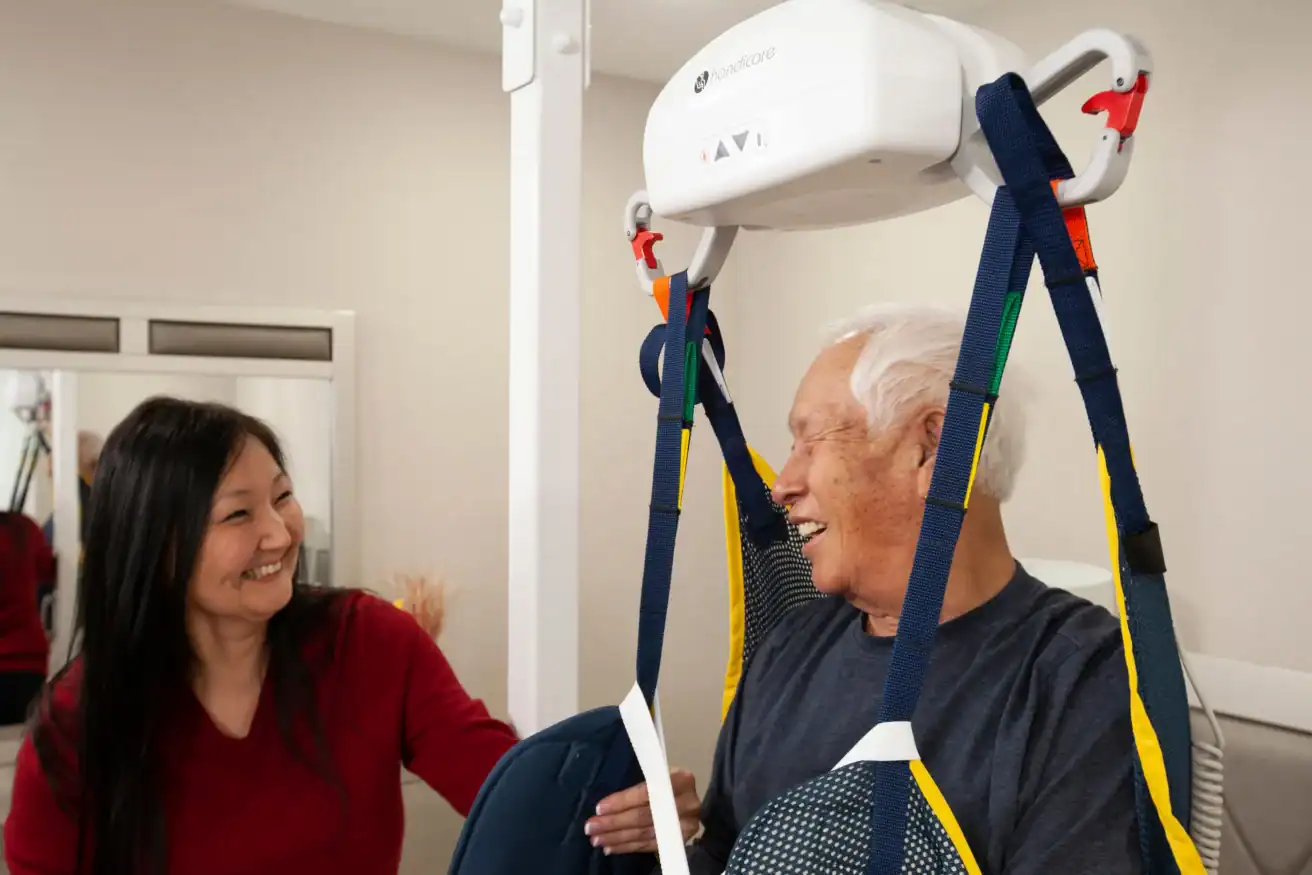
A home health aide’s role is specific: help with personal care and daily living tasks like bathing, dressing, and meal preparation. That’s distinct from skilled nursing or medical care, so it’s worth being clear on that scope when deciding whether this role fits your parent’s actual needs.
The Often-Forgotten Roles: Legal, Financial, and Home Safety
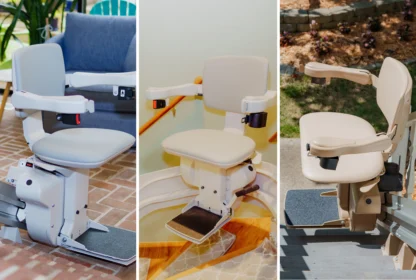
Two roles consistently get added later than they should: an elder law attorney or financial advisor for legal and financial planning, and a home accessibility specialist for the physical safety of the home itself. Most families don’t think about home safety as its own role until after a fall or a hospital stay forces the issue, but a home accessibility assessment can identify and address risks well before that happens.
Building Your Team One Role at a Time
No family builds a complete care team overnight, and trying to add every role at once usually isn’t realistic. The home safety role is often one of the easier ones to add first, since a single assessment covers it without requiring an ongoing relationship the way medical or care management roles do.
Care Team Roster: Roles and What They Cover
| Role | What They Handle |
| Primary care physician | Overall health monitoring and referrals to specialists |
| Physical or occupational therapist | Mobility, strength, and daily function |
| Geriatric care manager | Coordinating care and navigating benefits across providers |
| Home health aide | Personal care and daily living support |
| Elder law attorney or financial advisor | Legal and financial planning |
| Home accessibility specialist | Assessing and addressing physical safety risks in the home |
Frequently Asked Questions
Who is the most important person on a care team for an aging parent?
There isn’t a single most important role, since each one covers a different need. The primary care physician usually anchors the medical side, but legal, financial, and home safety roles matter just as much and get added later than they should.
When should I hire a geriatric care manager?
Consider one when coordinating care across multiple providers becomes difficult to manage alone, especially if you live far away or your parent’s needs involve several specialists at once.
What’s the difference between a home health aide and a nurse?
A home health aide helps with personal care and daily living tasks like bathing and meal preparation. A nurse provides skilled medical care. They cover different needs and aren’t interchangeable.
Why is a home accessibility specialist part of a care team?
Physical safety in the home is a specific area of expertise, just like medical or legal planning. A home accessibility assessment identifies fall risks and mobility barriers before they cause an injury, rather than after.
A care team for an elderly parent works best when specific expertise, medical, logistical, legal, financial, and home safety, gets spread across the right people instead of falling on one person by default. Adding roles one at a time, starting with whichever feels most urgent, is a realistic way to build it.
| A 101 Mobility home assessment is a straightforward way to add the home safety role to your parent’s care team.Schedule a free home assessment with 101 Mobility to add home safety to your parent’s care team. |