Quick Takeaways:
- Get mobility recommendations from the discharge planner or PT/OT in writing before leaving the hospital.
- Prioritize entryway access, bathroom safety, and bedroom setup in that order.
- Rental equipment can bridge the gap while permanent modifications are scheduled, though availability varies by market and product type.
- A single local provider handling assessment, product, and installation can often simplify a tight timeline and cut down on time spent coordinating separate visits.
- An assessment scheduled before discharge day, not after, is what keeps the timeline tight.
A discharge date is often just days away. For many families, that turns home modifications into one of the few home projects with a real deadline. Here’s a prioritized checklist for getting a home ready fast, without taking a week off work to manage it.
The goal isn’t a perfect, fully renovated house. It’s a safe, functional home by the day your parent walks back through the door.
What to Handle Before Discharge Day
Before your parent leaves the hospital, ask the discharge planner or physical or occupational therapist for their specific mobility recommendations in writing: which rooms need grab bars, whether a ramp or a stairlift is realistic given the timeline, and what weight or mobility restrictions matter for the first few weeks. That documentation speeds up every step that follows.
The Modifications That Matter Most in the First Weeks
The entryway comes first. If your parent can’t get through the front door safely, nothing else matters yet. A ramp, or even a temporary threshold ramp, means they can come and go without a struggle at every step.
The bathroom is next, and it’s where many at-home falls happen. Grab bars near the toilet and shower give steady support. A transfer bench helps when standing for a full shower isn’t realistic yet. Small changes here, big difference in daily safety.
The bedroom rounds out the list. Position the bed for easy transfers. Clear a simple, unobstructed path to the bathroom, especially for nighttime trips. Rest matters, and so does the walk to get there.
Getting It Done Without Taking Weeks Off Work
This is where a single accessibility provider makes the biggest difference. Instead of scheduling separate visits for an assessment, a product delivery, and an installer, one team handles all three in a coordinated process. That’s the difference between missing one afternoon of work and missing several days spread across multiple appointments.
Get an Expedited Home Assessment Before Discharge
The single biggest factor in hitting a tight timeline is when the assessment happens. Scheduling it while your parent is still in the hospital or rehab facility, rather than after they’re already home, gives installers a real head start on ordering equipment and locking in an install date.
Here’s the reassuring part. You don’t have to figure this out alone, and you don’t have to do it perfectly. A clear plan, a little lead time, and the right local team can have the essentials in place before your parent comes home.
First-Week Priority Checklist
1. Entryway: a ramp or temporary threshold ramp so getting in and out of the house doesn’t require help every time.
2. Bathroom: grab bars near the toilet and shower, plus a transfer bench if standing for a full shower isn’t realistic yet.
3. Bedroom: a bed positioned for easy transfers, with a clear, unobstructed path to the bathroom.
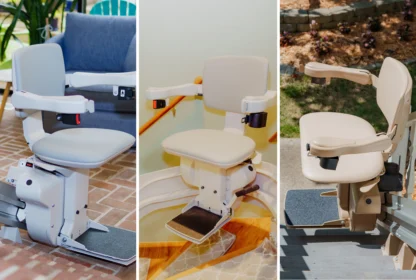
4. Rentals as a bridge: short-term equipment rental covers the gap while a permanent ramp or stairlift is scheduled and installed.
5. One point of contact: a single provider for the assessment, the product, and the installation, so you’re not managing three separate schedules.
Frequently Asked Questions
How fast can home modifications happen before hospital discharge?
It depends on the modification, but basic bathroom safety items and rental ramps can often be in place within a few days, depending on your local team’s availability, when the assessment happens before discharge day. A stairlift or a permanent ramp typically takes longer to order and install, which is why rentals can bridge the gap.
What home modifications does Medicare cover after discharge?
Original Medicare generally covers durable medical equipment like a walker or a hospital bed but typically does not cover structural modifications like ramps or stairlifts. Check a dedicated coverage resource for the specifics, since coverage details vary by plan.
Should I rent or buy mobility equipment after a hospital stay?
If the need is likely temporary, such as recovery from surgery, renting often makes more sense. If mobility needs are expected to be ongoing, buying and installing permanent equipment is usually the better long-term value.
Who should I talk to first about home modifications for discharge?
Start with the hospital discharge planner or physical or occupational therapist for specific recommendations, then schedule a home assessment with an accessibility provider as soon as possible so installation isn’t delayed.
A tight discharge timeline doesn’t have to mean a rushed, disorganized scramble. A clear priority list, a plan for bridging any gaps with rental equipment, and one provider handling the whole process turns a stressful deadline into a manageable checklist.
| 101 Mobility can schedule an assessment before discharge day and coordinate rentals or permanent installation from a single point of contact.Request an expedited home assessment from 101 Mobility to be ready before your parent comes home. |