Quick Takeaways:
- Hospital discharge after surgery often comes sooner than expected, and many families have only a few days to prepare.
- Stairs, home entry steps, and the bathroom are the three highest-risk areas for post-surgical fall and re-injury.
- Straight stairlift installation, entry ramp setup, and bathroom safety equipment can often be completed within 48 to 72 hours when coordinated with a local provider, depending on your market and product availability.
- Renting instead of buying is a legitimate option for short-term recovery situations, and a good dealer will walk you through both.
- Calling a local accessibility provider before discharge is faster and simpler than managing equipment separately, and one consultation covers the whole home.
The call comes, and the timeline is shorter than you expected. Your parent is being discharged from rehab or the hospital in three days, and their home is not set up for recovering at home after surgery. You now need to figure out what needs to change, who can help, and what can realistically be done before they walk through the door.
This article gives you a prioritized plan. Not every home needs every modification, but most post-surgical discharge situations involve at least two of the three areas covered here. Start with the highest fall-risk areas, move fast, and use a local provider who understands discharge timelines.
The Three Areas That Create the Most Fall Risk
Post-surgical patients, especially those recovering from hip replacement, knee replacement, or cardiac procedures, are most vulnerable in three specific environments. Address these first before anything else.
- Stairs: A patient with limited hip flexion, knee mobility, or balance cannot safely manage stairs without support. A fall on a staircase during recovery is one of the most common causes of re-hospitalization.
- Home entry: Even a single step at the front door becomes a barrier for someone using a walker, cane, or wheelchair. Most entry points have at least one to three steps that need bridging.
- Bathroom: Wet surfaces, low toilet height, and the absence of grab bars create a dangerous environment for anyone with reduced lower body strength or balance. The bathroom is one of the most common places for at-home falls to happen.
These are not the only areas worth addressing, but they are the ones most likely to cause an injury in the first week home. Prioritize them.
What Can Be Done Before Your Parent Comes Home
The modifications below can often be completed in 48 to 72 hours when coordinated with a local accessibility provider, depending on market and product availability. Most involve no major home renovation, though a few situations may require permits depending on local code, and your local team can confirm.
| Modification | Typical Timeline | Urgency |
|---|---|---|
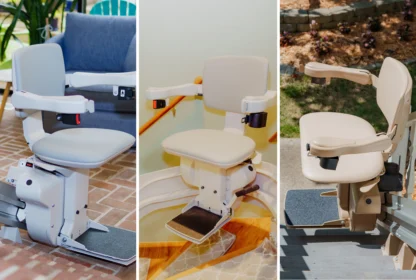
| Straight stairlift installation | 1 to 2 days after assessment | High |
| Modular entry ramp | 1 to 2 days after assessment | High |
| Bathroom grab bars | Same day | High |
| Toilet safety frame | Same day (no installation) | High |
| Curved stairlift installation | A few weeks (due to custom tracking) | Plan early |
| Permanent entry ramp | A few weeks | Plan early |
The items with same-day timelines should be your first calls. Straight stairlifts require a brief in-home assessment but can be installed within a day or two of that visit in most markets. If there is a curved staircase involved, that conversation needs to happen immediately as custom track fabrication takes longer and cannot be rushed.
Stairlifts: When to Rent vs. Buy
If your parent is recovering from a specific surgery and is expected to regain full mobility within three to six months, renting a stairlift rather than buying is worth considering. 101 Mobility offers accessibility equipment rentals for situations where the need is time-limited. Rental agreements avoid the full purchase commitment while still providing professional installation and service support.
Buying typically makes more financial sense if the mobility limitation is likely to be permanent or long-term, or if the home will be used by someone with ongoing mobility challenges. Your dealer can walk you through the break-even point for your specific situation. There is no pressure either way, and the right answer depends on your parent’s prognosis and how long they plan to stay in the home.
Entry Ramps: Permanent vs. Modular
A modular wheelchair ramp can be usually be installed in hours. It uses interlocking aluminum sections and requires no concrete work or structural modification. Weight capacity is typically 800 pounds or more, and it can be extended or reconfigured if the layout changes. For a discharge situation, this is almost always the right first move.
Permanent ramps are appropriate for long-term solutions and can be built to match the home’s exterior. They require more planning and a slightly longer installation timeline. If your parent is likely to need the ramp indefinitely, a permanent structure is worth planning, but for the first week home, a modular ramp solves the problem immediately.
What to Ask the Discharge Coordinator
Before your parent leaves the facility, ask the discharge coordinator these questions. The answers will help you finalize your home modification plan and ensure nothing is missed.
- What mobility aids will my parent be using at home(i.e., walker, wheelchair, cane?)
- Are there weight-bearing restrictions that affect which equipment is appropriate?
- What is the expected timeline for mobility recovery, and will that change which modifications make sense?
- Does the facility have a home health aide referral for the first week?
- What follow-up appointments are scheduled, and do they involve leaving the home?
When you speak with the coordinator, you can also let them know what has been arranged. Saying “we have a stairlift installation scheduled for Tuesday and a ramp going in Monday” gives them confidence that the home is being properly prepared. This also opens the door for them to flag anything specific to your parent’s condition that might affect equipment selection.
Frequently Asked Questions
How quickly can a stairlift be installed?
For a standard straight staircase, most local dealers can complete installation within one to two days of the in-home assessment, and in some markets, same-week installation is available even on short notice. Curved staircases require custom track fabrication, which typically adds a few weeks to the timeline. If you have a curved staircase, don’t wait and call immediately.
Can I rent a stairlift for short-term recovery?
Yes. Rental programs are specifically designed for situations like post-surgical recovery, where the need may be temporary. Rental agreements typically include professional installation and removal and are priced on a monthly basis. Ask your local dealer about availability and terms in your market.
What bathroom modifications matter most for fall prevention?
Grab bars near the toilet and in the shower or tub are the highest-impact changes. A toilet safety frame can be added without installation and helps with sit-to-stand movement immediately. A shower bench or transfer bench reduces the risk of slipping while bathing. These items can typically be in place the same day you call.
Can a wheelchair ramp be installed in one day?
A modular ramp can usually be installed in a few hours once the equipment arrives. The assessment and order can often happen the same day you call. For standard residential entry configurations, same-day or next-day installation is often available through local dealers.
What should I ask the hospital before my parent is discharged?
Ask about mobility aids required, weight-bearing restrictions, expected recovery timeline, any home health follow-up that is scheduled, and whether a discharge planner or occupational therapist has assessed the home. If a formal home safety assessment has not been done, a local accessibility provider can conduct one as part of the consultation process.
How to Move Quickly Without Making the Wrong Call
Speed and quality are not opposites here. Often the simplest path is a single call to a local accessibility provider who can handle the full scope, from assessment to product selection, installation, and service, under one roof. In most cases, that means you won’t need to coordinate multiple vendors or manage a research process on top of a discharge timeline.
101 Mobility offers free in-home consultations and can typically schedule an assessment within 24 to 48 hours. A specialist will walk through the home, identify the highest-risk areas, and give you a clear picture of what can be done before your parent arrives. See the full range of stairlift, wheelchair ramp, and bathroom safety options, or skip straight to scheduling.
| Call or schedule online, and a 101 Mobility specialist will assess your home and get the right equipment in place before your parent’s discharge date.Schedule your free home assessment at 101mobility.com/get-free-consultation. |