Summer Caregiver Support in Port Allen: Mobility Equipment That Helps Daily Routines
Summer can make caregiving more complicated than families expect. School breaks, vacations, changing work hours, and shifting family coverage can all affect how daily care gets done. When routines become less predictable, physical tasks like transfers, repositioning, and bathroom assistance often become more stressful.
That is why summer caregiver support in Port Allen should include more than calendar planning. It should also include the right mobility equipment, safer patient handling strategies, and practical home updates that reduce strain on both the caregiver and the person receiving care.
Why Summer Caregiving Can Become More Physically Demanding
Even a well-managed routine can get harder in summer.
A daughter who usually helps in the morning may be traveling. A grandchild may be home during the day, changing the household flow. A spouse may be covering more tasks alone while juggling work or appointments. In many homes, that means one person ends up doing more lifting, guiding, or steadying than usual.
The challenge is not always the number of tasks. It is the physical repetition. Helping someone move from bed to chair, turn safely, get into the bathroom, or navigate a step at the front door can add up quickly.
When these movements depend only on strength and improvisation, the risk of injury rises for everyone involved.
How Summer Caregiver Support in Port Allen Starts With Safer Daily Transfers
For many families, the most important part of home care support is transfer safety.
Transfers happen throughout the day. Common examples include:
- Bed to wheelchair
- Wheelchair to recliner
- Chair to bathroom
- Repositioning in bed
- Standing support during dressing or hygiene routines
These are also the moments when caregivers are most likely to feel physical strain. A rushed transfer, an awkward angle, or a lack of proper support can lead to slips, falls, or back and shoulder injuries.
The goal is not simply to “make do” through summer. The goal is to make daily routines safer, more consistent, and easier to manage.
Mobility Equipment That Can Help Daily Routines
The right caregiver mobility equipment depends on the person’s mobility level, the layout of the home, and how often assistance is needed. In many cases, a small change can make a major difference.
Patient lifts for supported transfers
A patient lift can help when a person can no longer transfer safely with manual assistance alone. This may apply when someone has limited weight-bearing ability, significant weakness, or needs more support moving between surfaces.
A patient lift in Port Allen may be worth discussing if:
- Transfers require two people instead of one
- The caregiver is straining during bed or chair moves
- The person receiving care feels unstable or fearful during transfers
- Recent illness, surgery, or progression in condition has changed mobility needs
Used appropriately, a lift can improve transfer safety and reduce the physical demands of repeated daily moves.
Transfer aids for short, repeated movements
Not every household needs a full lift solution. Some families benefit from equipment designed for shorter, lower-complexity transfers.
These options may help with:
- Sit-to-stand support
- Guided pivot transfers
- Repositioning during routine care
- Reducing awkward pulling and lifting
This can be especially useful when the person receiving care still has some participation in the movement but needs extra support.
Bathroom safety upgrades
Bathrooms become even more important in summer, when routines may be rushed or handled by different family members.
Helpful updates may include:
- grab bars
- Shower seating
- Raised toilet support
- Transfer-friendly layouts
- Better access in tight spaces
These changes support both safety and dignity while reducing the effort required for hygiene routines.
Stair and entry access solutions
If caregiving involves navigating steps, porches, or multiple floors, the home layout itself may be adding risk.
In those cases, summer caregiver support may also mean evaluating:
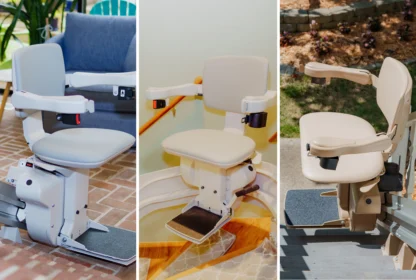
- Stairlifts
- Ramps
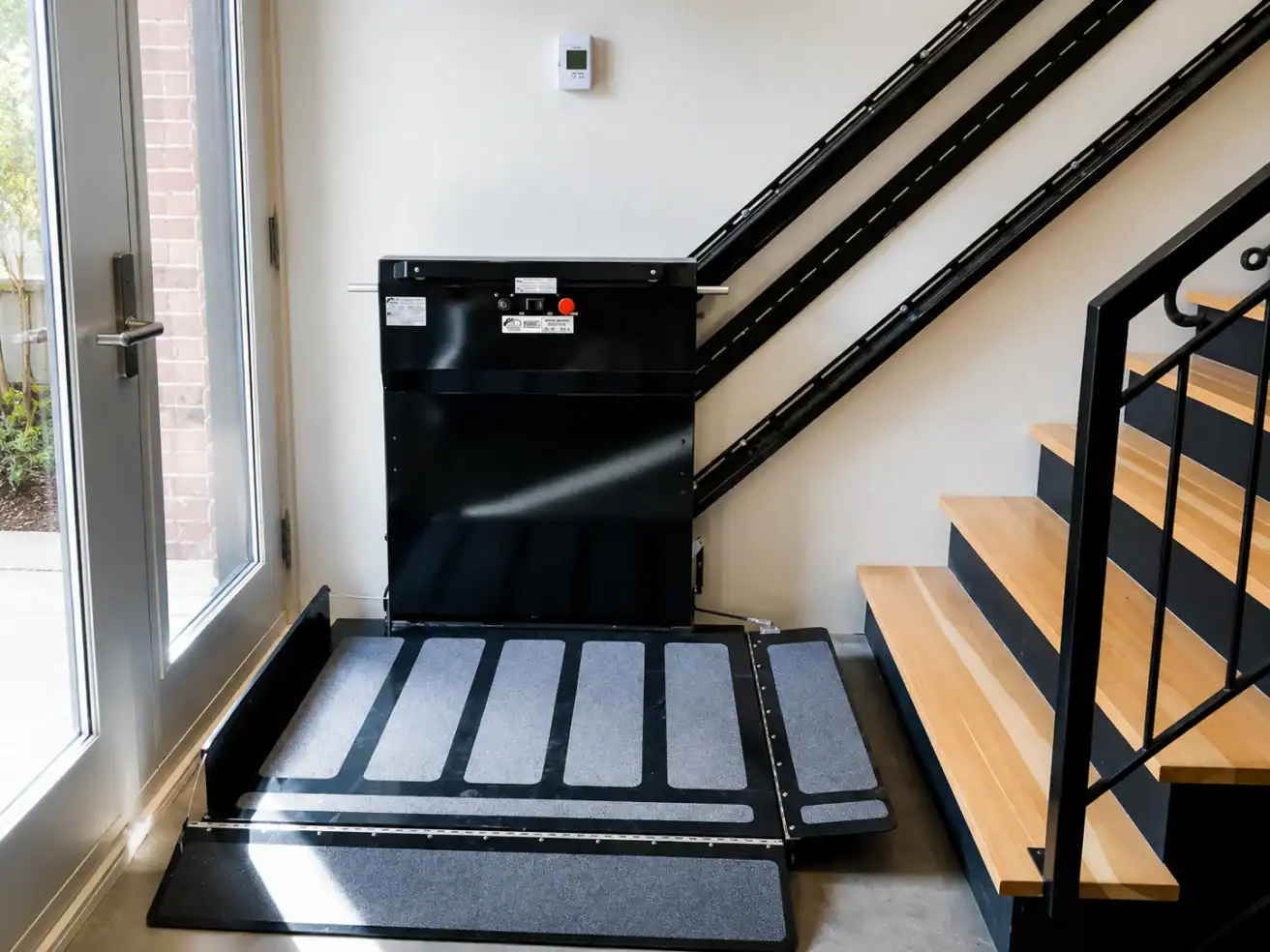
- Platform lifts
- Other entry access improvements
If someone has to conserve energy or avoid risky stair use, improving access can make everyday care much smoother.
A Simple Equipment Planning Checklist for Families
Before summer gets busier, it helps to review where routines feel hardest now.
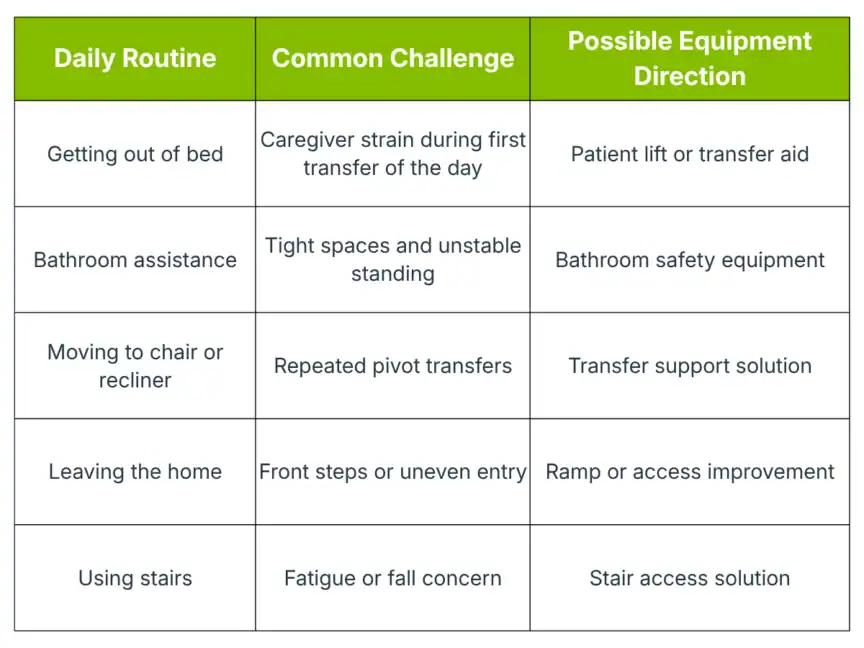
This kind of review helps families move from reacting to planning.
When to Consider a Patient Lift in Port Allen
Many caregivers wait until transfers feel unmanageable before exploring solutions. A better time to evaluate equipment is when you first notice that a routine task is becoming physically difficult, inconsistent, or stressful.
Consider discussing a patient lift in Port Allen when:
- One caregiver is handling most transfers alone
- Manual transfers no longer feel controlled
- There has been a recent fall or near fall
- Recovery from surgery or illness has changed mobility
- Daily care now depends on pulling, lifting, or catching body weight
The right recommendation depends on the home, the user, and the caregiver’s routine. That is why an in-home consultation is often the most useful next step.
What to Look for From a Local Mobility Partner
Families usually do not just need equipment. They need guidance.
A strong local mobility partner should help you:
- Identify the real safety issue, not just the visible symptom
- Understand which equipment fits the routine
- Evaluate the home layout
- Arrange professional installation when needed
- Plan for day-to-day usability, not just purchase decisions
That matters when you are comparing options for home care support. The best solution is the one that works reliably in the actual space and makes daily routines easier to manage.
For families in the area, 101 Mobility Baton Rouge can help assess mobility challenges and recommend practical solutions for safer care at home. If transfer support is the main concern, the patient handling solutions page is also a useful next step for exploring options.
FAQ
What is the best way to improve summer caregiver support in Port Allen?
Start by identifying the tasks that create the most strain, especially transfers, bathroom routines, and stair access. From there, evaluate mobility equipment and home updates that can reduce physical effort and improve safety.
When should a family consider a patient lift?
A family should consider a patient lift when manual transfers are becoming difficult, unsafe, or inconsistent, especially if one caregiver is doing most of the work or the person receiving care has limited weight-bearing ability.
What types of caregiver mobility equipment are most helpful at home?
Common options include patient lifts, transfer aids, bathroom safety equipment, ramps, and stair access solutions. The right choice depends on the person’s mobility, the caregiver’s role, and the home layout.
Why is transfer safety so important in home care?
Transfer safety helps reduce falls, caregiver injuries, and rushed or unstable movements during daily care. It is one of the most important parts of making home care safer and more sustainable.
Can home care support include changes to the home itself?
Yes. In many cases, support includes both equipment and home updates, such as bathroom improvements, stair solutions, or safer entry access.
Make Summer Caregiving Safer and Easier
When summer schedules shift, daily care can become more physically demanding. The right equipment can help reduce strain, support safer transfers, and make routines more manageable for everyone involved.
If your family is reviewing mobility needs or exploring safer patient handling options, 101 Mobility Baton Rouge is a strong place to start. For transfer-focused support, you can also explore patient handling solutions. When you are ready, Book a Free Consultation.