Seeing a parent struggle with something that used to be easy, like climbing the front steps or getting out of a favorite chair, is a heavy emotional weight for any adult child. You want to help them stay safe, but you also want to respect their independence. When you start researching solutions, the sheer volume of options — stairlifts, ramps, vertical platform lifts — can quickly become overwhelming.
Many caregivers feel an immense pressure to make the right decision quickly, especially if a recent fall or medical event has sparked the search. The fear of choosing the wrong equipment, or buying something that won’t work long-term, is valid. By understanding the common pitfalls upfront, you can navigate this process with confidence, ensuring your loved one gets the safest and most reliable solution for their home.
Common Mistakes Caregivers Make When Choosing Mobility Equipment
Taking on the role of a caregiver involves a significant emotional load, and navigating the technical world of mobility equipment can be complex and confusing. Avoiding common mistakes is crucial for protecting your parent’s safety and your financial investment. Making informed choices now helps ensure that your loved one can age in place comfortably rather than facing new mobility challenges a few months down the road.
Mistake #1: Buying Equipment Without a Proper Home Assessment
One of the most frequent errors is assuming you know exactly what is needed without first taking all your measurements. While measuring the staircase or hallway is obvious (and important down the line), evaluating your loved one’s specific physical abilities is just as critical.
A proper mobility assessment involves observing daily movements such as checking if there is a struggle when getting out of bed, walking, or using the bathroom. It also means identifying what tasks your loved one can still do independently versus where they need help. For example, if balance is the primary concern, grab bars might be the immediate priority; if elevation is the challenge, a ramp or stairlift is the better solution.
Skipping this step can lead to buying equipment that doesn’t solve the root problem. To ensure you are targeting the right issues, we recommend starting with a structured evaluation. If that sounds confusing, we’re here to help. We’ve created a home mobility assessments guide to help you get started.
Mistake #2: Choosing the Wrong Stairlift Type for Your Parent’s Needs
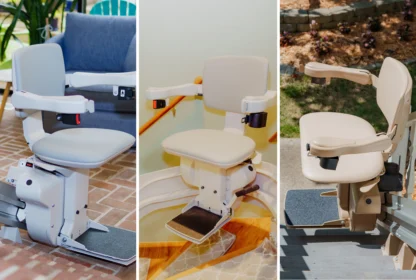
When determining what to consider when buying a stairlift for parents, the shape of the staircase is just the starting point. While you may immediately spot the difference between straight and curved stairlifts, many caregivers overlook the nuanced features that dictate daily comfort and usability.
When it’s time to buy a stairlift, you must evaluate the specific physical condition of your loved one. For example, a parent with severe arthritis may struggle with a standard seat belt buckle and require a retractable option, or they may need a powered swivel seat if they have limited balance and cannot manually turn the chair at the top of the stairs.
Factors to consider when choosing the right stairlift include:
- Rail type: Straight vs. curved rails depending on landings and turns.
- Environment: Indoor models differ significantly from outdoor models built to withstand weather.
- User specifications: Weight capacity, seat width, and knee clearance.
- Health factors: Cognitive decline, balance issues, or joint stiffness can determine what features work best for your loved one.
Mistake #3: Purchasing Cheap or Online-Only Equipment Without Support
In an era of two-day shipping, it is tempting to buy mobility equipment from an online-only retailer to save money or time. However, this often leads to buyer’s regret when the equipment arrives in boxes on the front porch with no assistance.
The primary risk here is safety. Online-only purchases are unlikely to include professional installation, meaning you or a handyman are responsible for securing a heavy piece of machinery that will carry your loved one up and down the stairs. Improper installation is a major safety hazard. Additionally, these products often come with unclear weight limits and no training on how to use them correctly.
As another concern, stairlifts are unique to the size, shape, and nature of the home. No two stairways are the same. Even if you take hundreds of measurements, you likely don’t have the background knowledge to be sure you’re getting equipment that will work well and safely in your home.
Long-term, the lack of local support can be costly. If the equipment breaks down, online retailers typically do not offer local repair technicians. These concerns in the short and long term can be avoided when you work with a trusted, local, full-service provider like 101 Mobility.
Mistake #4: Overlooking Safety Features & Long-Term Usability
When focusing on price or immediate availability, caregivers can miss important safety features that make a difference in daily operation. It is also vital to adopt an aging-in-place mindset, considering not just what your parent needs today, but what they might need in two to five years.
Critical safety features to look for include:
- Retractable seat belts: Essential for users with limited dexterity.
- Swivel seats: Allows the user to exit safely onto the landing rather than hovering over the stairs.
- Obstruction sensors: Stops the lift automatically if an object (like a pet or a slipper) blocks the path.
- Battery backup: Ensures the mobility equipment works even during a power outage.
- Locking mechanisms: To prevent unwanted movement, twisting, or sliding.
Mistake #5: Not Considering Maintenance, Service, and Warranty
Mobility equipment is mechanical, and like a car, it requires maintenance to run reliably. One of the most common oversights is failing to ask about the aftercare. A stairlift warranty is only as good as the company’s ability to service it.
Professional installation not only ensures your equipment is safe and secure, it usually comes with the backing of a service team. When comparing providers, ask about their service and support, response times, and whether they have local technicians. Maintenance plans are crucial for ensuring the longevity of the equipment and preventing unexpected breakdowns that could leave your parent stranded on one floor of their home.
Mistake #6: Making a Decision Without Involving the Parent
Finally, one of the most delicate mistakes is bypassing the parent in the decision-making process. While you may be acting out of concern for their safety, aging parents often fear losing their independence. If they feel a solution is being forced upon them, they may resist using the equipment, rendering it useless.
Make sure to talk to your parents about stairlifts or other mobility equipment. Your parent may have specific fears you aren’t aware of, such as how the equipment looks or whether it will make the stairs feel crowded. Collaborating with them on the choice — discussing comfort preferences and demonstrating how the equipment fosters independence rather than diminishing it — increases acceptance. Having “the talk” early and respectfully is key to a successful transition.
How 101 Mobility Helps Caregivers Choose the Right Mobility Equipment
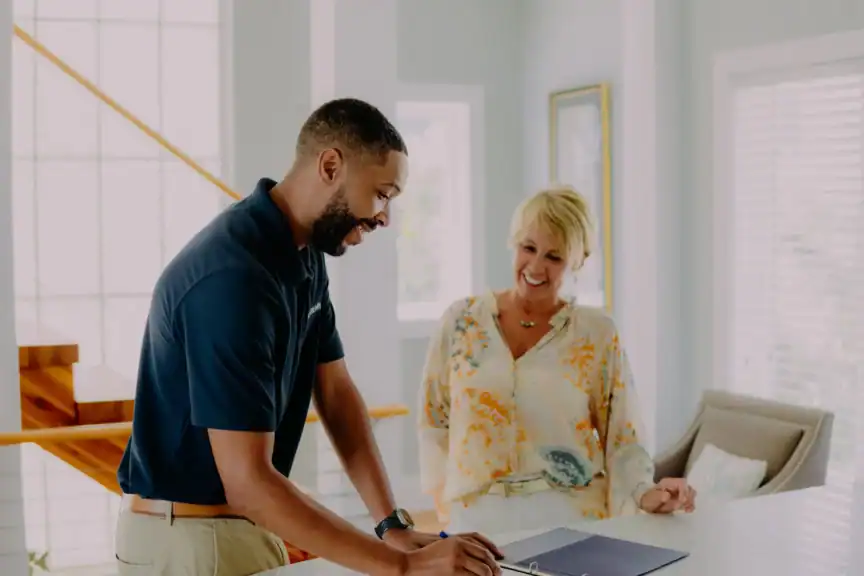
At 101 Mobility, we understand that you are not just buying a machine; you are investing in your loved one’s ability to stay in the home they love. We help caregivers avoid these common mistakes by offering free in-home consultations and expert guidance tailored to your specific situation.
As a national brand with local technicians across the US and Canada, we provide the best of both worlds: the reliability of a large provider and the personal care of a local business. We handle everything from professional installation to ongoing maintenance and rental programs, ensuring you have a partner for the life of the equipment.
Steps to Get Started
If you are ready to ensure your loved one is safe and independent, here is how we can help:
- Request your free in-home assessment: We start by visiting the home to understand the environment.
- Evaluate needs: We assess both your parent’s mobility limitations and the home’s layout.
- Receive recommendations: Our team recommends the safest, most appropriate equipment for your unique needs.
- Installation and Support: We provide professional installation followed by ongoing local service and support.
- Enjoy peace of mind: Know that your parent is safe, independent, and supported.