Summer Mobility Assessment in Rayne: What to Review Room by Room
A summer mobility assessment in Rayne is a practical way to spot access issues before they become daily obstacles. Warmer months often mean more time using porches, patios, driveways, and entryways, which makes summer a smart time to review how safely someone can move through the home.
For many families, the goal is simple: make everyday movement easier, safer, and less stressful. A room-by-room review helps you identify where mobility challenges are happening now, where risks may be building, and which improvements could make the biggest difference.
Why a Summer Mobility Assessment Matters in Rayne
A seasonal review helps homeowners and caregivers step back and look at the whole home, not just one problem area. It is especially useful when someone is aging in place, recovering from surgery, using a walker or wheelchair, or starting to need more support with stairs and transfers.
Summer can also reveal issues that are easy to overlook during the rest of the year, such as slick exterior surfaces, steep transitions from patio to yard, or repeated strain from helping someone in and out of the home. A structured home accessibility assessment helps turn those observations into a clear action plan.
Start With the Main Entrance and Walkways
The entrance sets the tone for the entire home. If getting inside is difficult, everything after that becomes harder.
Look closely at:
- Steps leading to the front, side, or garage entry
- Uneven walkways or cracked concrete
- High thresholds at the door
- Loose handrails or missing support
- Narrow clearance for walkers or wheelchairs
- Poor lighting near entry points
Summer is also a good time to notice how outdoor use changes movement patterns. Someone may be using the porch more often, going outside for fresh air, or entering through a different door more frequently.
If the main issue is step access, a ramp or other entry solution may deserve attention first. If the difficulty is balance on stairs, stronger support at the entrance may be the more urgent fix.
Review Stairs and Level Changes Inside the Home
A summer mobility assessment in Rayne should always include stairs, even if they are only used a few times a day. Short stair runs, split-level transitions, and single-step drops between rooms can all become safety concerns.
Review these details:
- Are both sides of the stairway easy to grip?
- Is the user pausing or pulling themselves up the stairs?
- Are landings wide enough to turn safely?
- Is there hesitation when stepping down?
- Are rugs or visual distractions making the transition harder?
Some homes have more than one stair challenge. You may have front entry steps, indoor stairs, and back porch access all affecting daily mobility in different ways. That is why a room by room safety review is more useful than looking at one area in isolation.
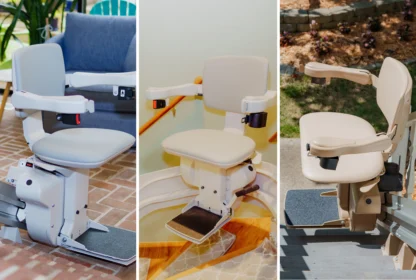
When stairs are becoming tiring, painful, or unsafe, it may be time to consider stair access solutions as part of a larger aging in place review.
Check Bedrooms for Safer Daily Movement
Bedrooms are often overlooked because they feel familiar. In reality, they are one of the most important spaces to assess because they affect morning routines, nighttime safety, dressing, and transfers.
Look for:
- Enough space to get in and out of bed from the stronger side
- Clear paths between the bed, door, and bathroom
- Bed height that supports safer standing
- Reachable lighting and switches
- Stable flooring with no curled rugs or clutter
- Space for a walker, wheelchair, or caregiver assistance if needed
Ask a simple question: can the person move through the bedroom without rushing, reaching awkwardly, or needing to grab furniture for support?
If not, the bedroom should move higher on your priority list.
Assess the Bathroom for Slip and Transfer Risks
Bathrooms are one of the most important areas in any home accessibility assessment. Transfers, wet surfaces, tight layouts, and low fixtures can quickly create risk.
Review the bathroom with special attention to:
- Tub or shower entry height
- Slippery flooring
- Toilet height and surrounding clearance
- Stability during sit-to-stand movement
- Reach to towels, toiletries, and controls
- Space for caregiver support when needed
A bathroom does not need to be large to be safer. In many cases, the biggest improvements come from better support, easier access, and more thoughtful layout decisions.
Bathroom Review Questions
Evaluate Kitchens, Living Areas, and Frequently Used Spaces
Not every challenge happens in a hallway or bathroom. Many mobility issues show up in ordinary daily tasks.
In kitchens and living areas, review:
- Walking paths between furniture
- Turning space for mobility equipment
- Reach to seating, counters, and commonly used items
- Stability when standing from sofas or chairs
- Clutter around cords, baskets, or decor
- Thresholds between connected rooms
This part of the review is about function, not just safety. If a person avoids part of the kitchen, stops using a favorite chair, or needs extra help crossing from one room to another, that is useful information.
A strong room by room safety review helps families move from vague concern to specific decisions.
Don’t Skip Patios, Garages, and Outdoor Areas
Outdoor access matters more in summer, which makes this one of the most useful times to evaluate it. Porches, decks, garages, and backyard paths often create challenges that are not obvious until someone uses them more often.
Check for:
- Uneven pavers or cracked surfaces
- Slippery shaded spots
- Step-downs from doors to patios
- Limited rail support
- Difficult garage entry transitions
- Safe access to vehicles, seating areas, or gardens
This is also the right time to think about whether the home supports independence outside, not just inside. If someone enjoys spending time outdoors but avoids it because access feels difficult, that is an accessibility issue worth solving.
Consider Caregiver Needs During an Aging in Place Review
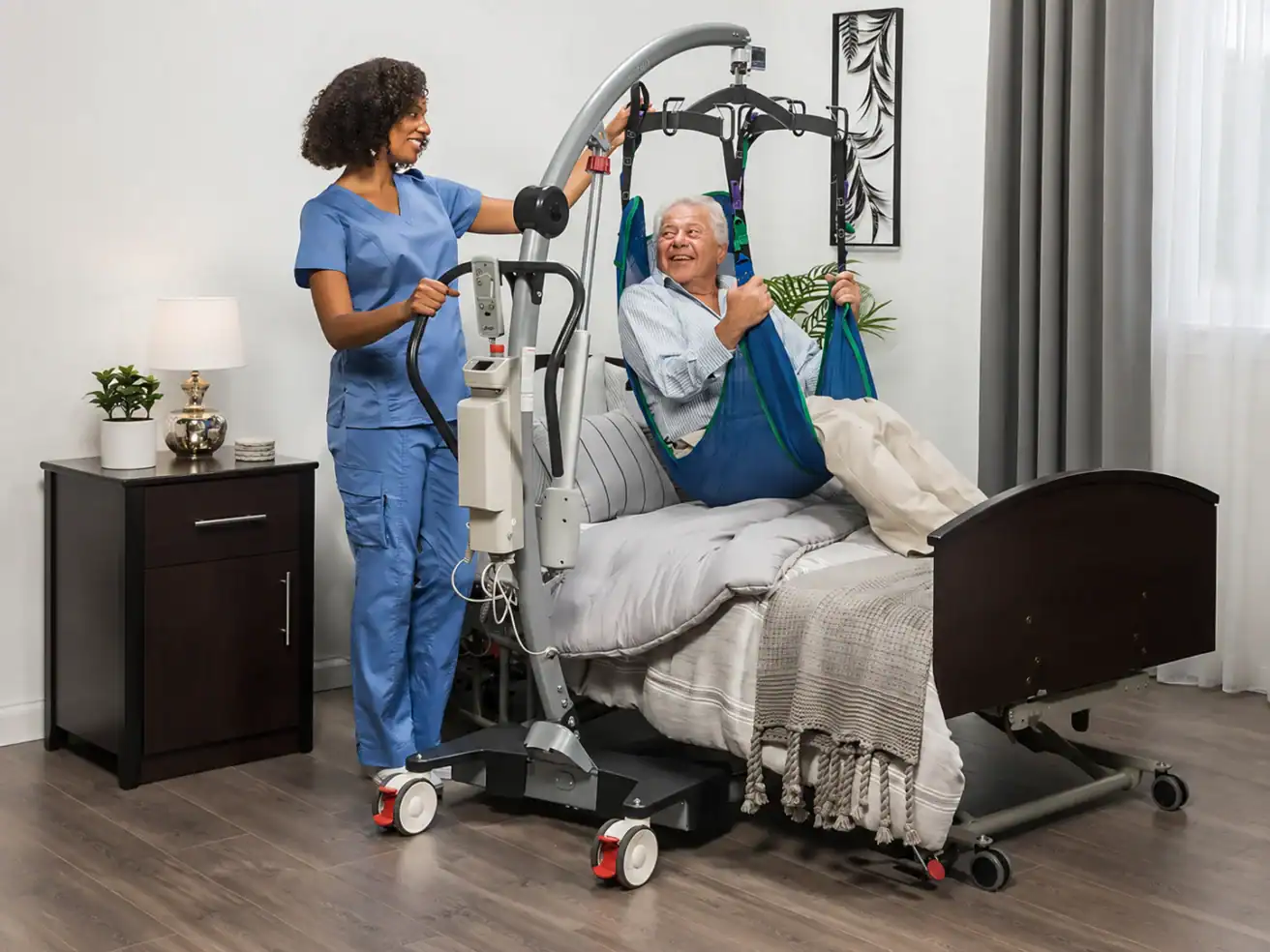
A good aging in place review should include the caregiver’s experience too. If one person is regularly helping with transfers, stairs, or bathroom routines, the home should support that safely.
Look for situations where a caregiver is:
- Reaching across a bed or chair awkwardly
- Supporting body weight on stairs
- Guiding someone through narrow bathroom spaces
- Repeating the same physically demanding transfer multiple times a day
When the home layout puts repeated strain on a caregiver, the risk affects everyone in the household. Reviewing caregiver needs alongside resident needs often leads to better long-term decisions.
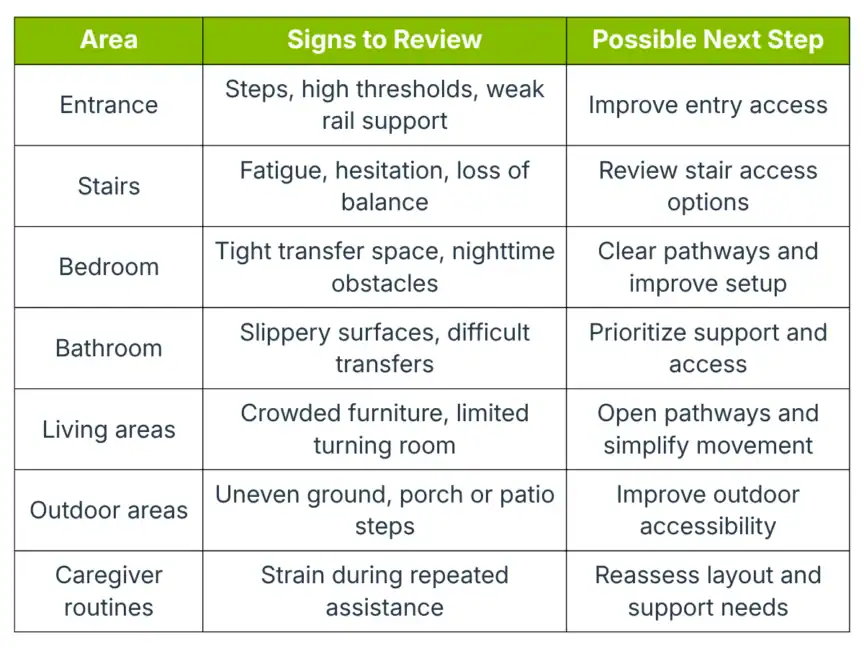
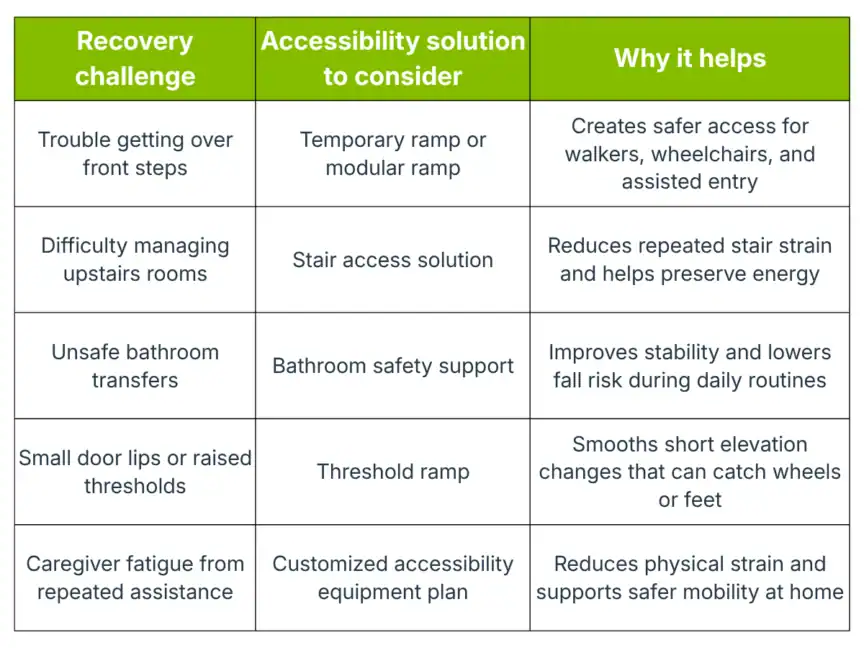
Quick Room-by-Room Safety Checklist
Use this quick checklist to identify where your home may need attention.
Frequently Asked Questions
What is a summer mobility assessment?
A summer mobility assessment is a room-by-room review of how safely and easily someone can move through the home during the season when outdoor access, entry use, and activity patterns often increase.
Who should consider a home accessibility assessment?
It can help older adults aging in place, people recovering from surgery, individuals with mobility limitations, and families planning ahead before day-to-day movement becomes harder.
What rooms matter most in an aging in place review?
Start with entrances, stairs, bathrooms, and bedrooms. Those areas usually have the greatest impact on safety, transfers, and daily independence.
How do I know when mobility solutions may be needed?
Pay attention to repeated signs such as avoiding stairs, holding onto walls or furniture, struggling with bathroom transfers, or needing more help getting in and out of the home.
Can outdoor areas affect home accessibility?
Yes. Patios, porches, garages, and walkways are often a major part of mobility planning, especially in summer when those spaces are used more often.
Next Step for Rayne Homeowners
If your room-by-room review shows recurring trouble spots, the next step is to get expert guidance on what improvements make the most sense for your layout, mobility needs, and daily routine.
Explore local support and accessibility options through 101 Mobility Lafayette. If you are ready to talk through potential upgrades for your home, Book a Free Consultation.