Caregiver-Friendly Mobility Solutions in Port Allen: Equipment That Makes Daily Assistance Easier

Providing care at home can be rewarding, but it can also be physically demanding. Transfers, stairs, entryways, and repeated sit-to-stand assistance can put real strain on both the person receiving care and the person helping them. The right equipment can make daily routines safer, smoother, and less exhausting.
If you are looking for caregiver mobility solutions Port Allen families can use at home, the goal is not to add more equipment for the sake of it. The goal is to make everyday care more manageable. That may mean better support during transfers, safer movement between floors, or practical home upgrades that reduce awkward lifting and repeated strain.
Why caregiver mobility solutions matter at home
Many home care challenges come down to one issue: the home was not designed for changing mobility needs.
A caregiver may be helping with bed transfers, standing support, bathroom access, or movement up and down stairs. Over time, those tasks can increase the risk of fatigue, discomfort, and unsafe lifting. The right mobility equipment helps reduce manual strain while making care more comfortable and predictable.
Well-matched solutions can help with:
- Safer transfers between surfaces
- Less physical strain during daily assistance
- Improved comfort for the person receiving care
- Better movement through key areas of the home
- More confidence for both caregiver and family
Common home care tasks that become physically demanding
Bed-to-chair and chair-to-toilet transfers
Transfers are one of the biggest sources of caregiver strain. Even when a loved one can bear some weight, repeated lifting, pivoting, and repositioning can be difficult. This is where transfer equipment and patient handling solutions often make the biggest difference.
Navigating stairs
Stairs can interrupt daily life quickly. A bedroom upstairs or laundry area downstairs may turn a simple routine into a safety concern. In these cases, stair access equipment can help reduce the need for hands-on assistance.
Moving through tight doorways or entry points
Some homes create friction in small but important moments. Opening a heavy door while helping someone through it, for example, may not seem like much at first. Over time, it adds effort and risk to a routine task.
Caregiver mobility solutions Port Allen families often consider
Different homes need different solutions. A caregiver supporting recovery after surgery may need something different from a family planning for long-term aging in place. The table below gives a practical starting point.

Patient lifts and transfer equipment
When families search for a patient lift Port Allen solution, they are usually trying to solve a specific problem: how to move someone more safely without depending on physical lifting alone.
Patient handling equipment can help with:
- Bed-to-wheelchair transfers
- Chair-to-toilet transfers
- Repositioning support
- Routine movement during recovery or long-term care
For many households, this is the most important category for improving home patient handling. The right setup can help reduce rushed movements, awkward body mechanics, and repeated strain during everyday care.
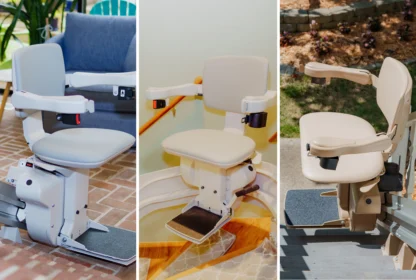
Stairlifts for safer access between floors
If stairs are one of the biggest barriers in the home, a stairlift may be the most practical answer. Instead of requiring close physical support on every trip up or down the stairs, stairlifts help the user travel more safely while reducing the caregiver’s need to brace, guide, or support body weight on the steps.
This can be especially helpful when caregiving includes:
- Helping someone reach a bedroom on another level
- Reducing fall risk on daily stair use
- Making multi-level living more manageable
- Improving confidence for both user and caregiver
Lift chairs for easier sit-to-stand support
Sometimes the hardest part of the day is not the staircase or the transfer to bed. It is simply getting up from a chair several times a day.
Lift chairs can help support smoother sit-to-stand transitions in living rooms or bedrooms. For caregivers, that can mean less repeated pulling or lifting. For the person using the chair, it can mean more comfort and more independence during regular daily routines.
Automatic door openers and access upgrades
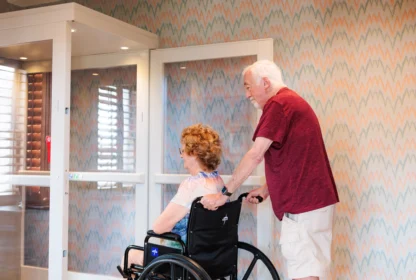
Caregiving often involves multitasking. You may be assisting with a walker, wheelchair, or balance support while trying to open a door at the same time. Automatic door openers and similar access improvements can remove friction from those moments.
These upgrades can be helpful when:
- Interior or exterior doors are heavy
- The caregiver needs hands-free access
- Wheelchair or walker clearance is tight
- Everyday movement through the home feels more difficult than it should
How to choose the right equipment for home patient handling
The best solution depends on the person, the caregiver, and the space itself. A useful consultation usually starts with a few practical questions:

In many cases, the right recommendation is not a single product. It is a combination of solutions that work together. A home might need transfer support in one room, stair access in another area, and a lift chair in the main living space.
What to expect from a professional consultation
A strong mobility plan should start with the real caregiving routine, not just a catalog of products.
A professional consultation should look at:
- Current mobility challenges
- Where caregiver strain happens most often
- How the home is laid out
- What equipment fits the space
- What level of support is needed now and later
That process matters because caregiving needs are personal. The safest solution is usually the one that matches the home, the user’s abilities, and the caregiver’s daily responsibilities.
Why local support matters in Port Allen
When families are comparing mobility options, local support matters. Home access challenges are specific. Transfer safety concerns are specific. The right recommendation should reflect how care actually happens in the home.
For families in Port Allen, that means working with a team that can assess the environment, explain options clearly, and recommend practical solutions that reduce strain instead of adding complexity.
If you are exploring equipment for transfers, stair access, or safer daily assistance, start with a solution that fits the person and the routine.
FAQ
What are caregiver mobility solutions?
Caregiver mobility solutions are products and home accessibility upgrades that make daily assistance safer and easier. They may include patient lifts, transfer equipment, stairlifts, lift chairs, and door access solutions.
When is a patient lift a good option?
A patient lift may be worth considering when transfers are becoming physically demanding, inconsistent, or unsafe. It can help reduce manual lifting during bed-to-chair, chair-to-toilet, and similar assisted movements.
What type of transfer equipment is used at home?
Home transfer equipment varies based on the person’s mobility and the caregiver’s needs. The right option depends on how much support is needed, how often transfers happen, and how the home is laid out.
Can stairlifts help reduce caregiver strain?
Yes. Stairlifts can reduce the need for close physical assistance on stairs, which may lower strain during repeated trips between floors and improve safety during everyday movement at home.
Are these solutions only for long-term care?
No. Some families need help during recovery after surgery or illness, while others are planning for long-term aging in place. The best choice depends on the expected duration and the level of support needed.
How do I know which mobility solution is right for my home?
The best starting point is a professional consultation. That allows the home layout, transfer needs, stair access, and caregiver routine to be evaluated together before a recommendation is made.
Make Daily Care Easier With the Right Support
The right mobility equipment can do more than improve access. It can reduce caregiver strain, support safer transfers, and make home care feel more manageable day after day.
If you are looking for caregiver mobility solutions Port Allen families can rely on, 101 Mobility can help you explore practical options for transfer support, stair access, and safer movement at home. Book a Free Consultation to find the right fit for your space and care routine.