Temporary vs Permanent Mobility Solutions in Rayne: What Makes Sense for Summer Needs?
Choosing between a short-term accessibility fix and a long-term home upgrade is not always simple. In many cases, the right answer depends less on the product itself and more on how long the need will last, how often it affects daily life, and whether the home needs to support safer living beyond one season.
For families comparing temporary mobility solutions in Rayne, summer often brings the question into focus. Recovery periods, visiting relatives, shifting routines, and outdoor activity can all make access issues more noticeable. Some situations call for flexibility. Others are a sign that a more permanent change would make life easier every day.
This guide walks through both.
When temporary mobility solutions in Rayne make the most sense
Temporary options are usually the better fit when the need is expected to improve, change, or end within a defined timeframe.
Short-term recovery after surgery or injury
If someone is recovering from a procedure, fall, or injury, accessibility rental options may make more sense than a permanent installation. The goal is usually to reduce strain, support safety, and make daily routines easier while mobility is limited.
This can be especially helpful when:
- Stairs are difficult only during recovery
- Standing up from a seated position is temporarily harder
- Family members need a short-term support plan at home
- The long-term mobility outlook is still uncertain
Visiting relatives during summer
Summer often means guests, family visits, and multigenerational time at home. If an older parent or relative is staying for several weeks or months, a temporary setup may be enough to make the visit more comfortable and safer without committing to a permanent change right away.
Testing what works before making a bigger decision
Sometimes families know there is a mobility challenge but are not yet sure which solution best fits the home or the person using it. A temporary approach can create breathing room while everyone evaluates daily routines, comfort, and next steps.
Seasonal routines and short-term lifestyle changes
Summer can change how a home gets used. People may spend more time outside, use porches and backyard areas more often, or host more visitors. A short-term fix can be practical when the challenge is tied to one season rather than year-round daily living.
When permanent accessibility upgrades are the better choice
Short-term solutions can help in the moment, but they are not always the best long-term answer. If the same access problem keeps coming back, it may be time to think in terms of function, safety, and independence over the years ahead.
Ongoing difficulty with stairs or home access
If moving between floors is becoming harder on a regular basis, or if entry and exit points feel less safe than they used to, permanent accessibility upgrades are usually the smarter choice. Repeated workarounds can become tiring for both the person with mobility needs and the people helping them.
Aging-in-place planning
For many households, the question is not just what works this summer. It is what makes the home easier to live in next year and beyond. Permanent changes can support aging in place by reducing everyday strain and making the home more usable without constant adjustment.
Recurring caregiver strain
If a caregiver is repeatedly helping with stairs, transfers, door access, or seating, the issue is likely no longer temporary. A permanent solution may reduce physical effort, improve safety, and make routines more manageable for everyone involved.
The home needs to work better every day
Permanent upgrades are often the right call when the goal is not just short-term help, but a home that functions more smoothly every day. That is especially true when mobility challenges are ongoing, progressive, or likely to return.
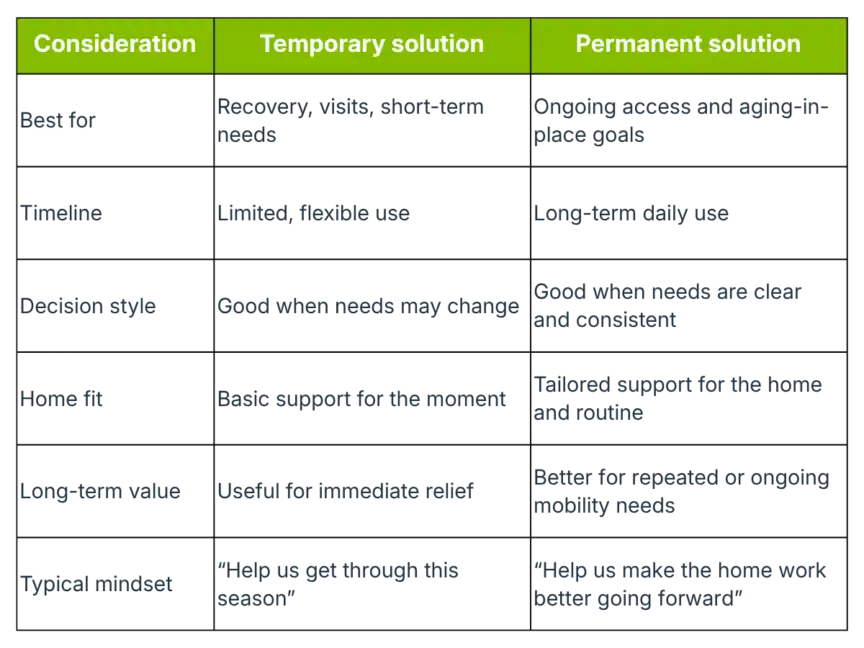
Temporary vs permanent: a side-by-side comparison
Common summer mobility needs homeowners should think about
Summer does not create mobility challenges, but it often reveals them more clearly.
More visitors and more movement through the home
When family is in town, there is usually more activity, more stair use, and more pressure on entryways, seating, and shared spaces. What felt manageable in a quieter season may suddenly feel inconvenient or unsafe.
More outdoor access needs
Porches, patios, and outdoor stairs get used more in summer. That can make outdoor access a bigger concern, especially for households trying to balance safety with independence.
Different daily routines
Summer routines are often less predictable. People may come and go more often, spend longer periods at home, or move between indoor and outdoor spaces more frequently. That can expose where the home is no longer working well.
More visible signs that a temporary issue is not temporary
Sometimes a short-term concern uncovers a larger pattern. A family may start by looking for help during recovery or a summer visit, then realize the same home barriers will still be there long after the season ends.
Which mobility equipment in Rayne may fit your situation
The right category depends on the barrier you are trying to solve.
Stair access solutions
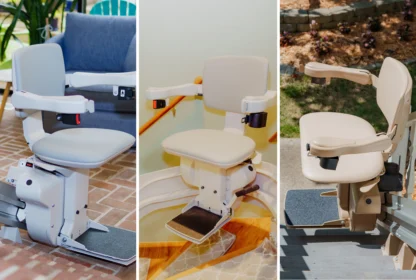
If stairs are the main issue, stairlifts are often one of the clearest options to explore. They can help with indoor stair access and, in some cases, outdoor stairs as well. For homeowners deciding between short-term and long-term planning, this is often where the conversation starts.
Lift chairs for seated support
If the bigger issue is getting in and out of a chair safely, lift chairs may help support comfort and easier sit-to-stand movement at home. This can matter during recovery, for fatigue-related needs, or as part of a longer-term accessibility plan.
Outdoor access support
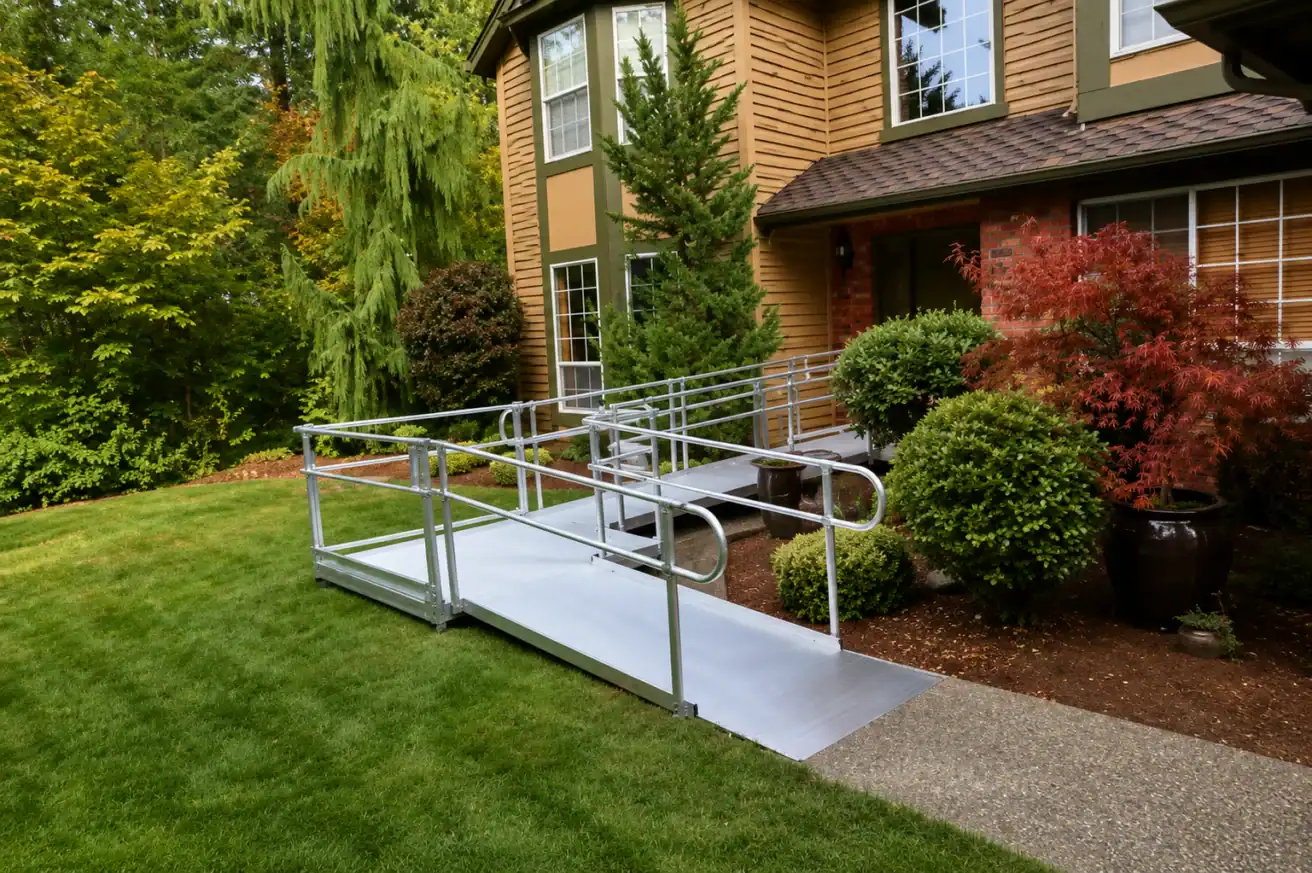
Summer mobility needs often involve porches, steps, and exterior routes. If outdoor access is limiting how someone uses the home, that is worth evaluating separately from indoor needs.
Door and in-home accessibility support
Sometimes the challenge is not stairs alone. Door access, room-to-room transitions, and overall ease of movement can matter just as much. In those cases, the best answer may involve a broader look at mobility equipment in Rayne rather than a single product category.
A simple way to decide
If you are unsure whether to rent, wait, or invest in a permanent upgrade, this quick framework can help.
1. Ask how long the need is likely to last
If the issue is tied to a defined recovery period or a short family visit, a temporary option may be enough.
If the challenge is already part of daily life, a permanent upgrade is usually worth considering.
2. Ask how often the barrier affects safety or routine
A problem that happens once in a while may call for flexibility.
A problem that affects everyday movement, caregiver effort, or home safety usually deserves a more durable answer.
3. Ask whether the home should be easier to use next season too
If you expect the same issue to come up again, that is a strong sign to look beyond a temporary fix.
Quick decision chart

FAQ
What are temporary mobility solutions in Rayne usually best for?
They are usually best for short-term situations such as recovery, seasonal living changes, or visiting relatives. They can also help families try a practical solution before making a longer-term investment.
When do permanent accessibility upgrades make more sense?
Permanent accessibility upgrades make more sense when the need is ongoing, safety concerns keep repeating, or the household is planning for aging in place rather than a single season.
Are accessibility rental options always the cheaper choice?
Not always in the long run. Rentals can be a smart short-term move, but if the same access issue continues over time, a permanent solution may offer better long-term value and daily convenience.
What if we are not sure which mobility equipment in Rayne fits our home?
That is exactly where a consultation can help. A professional can look at the home layout, the mobility challenge, and the expected timeline to help narrow down the most practical option.
Final takeaway
The best choice is not just about whether a solution is temporary or permanent. It is about matching the solution to the real need.
If your family is dealing with short-term recovery, a summer visit, or a seasonal change in routine, a flexible option may be enough. If the same access problem is affecting daily life, caregiver strain, or long-term independence, it may be time to consider a more lasting upgrade.
To explore the right fit for your home, visit the 101 Mobility Lafayette location or Book a Free Consultation.