Stairlift, Platform Lift and Home Elevator Costs in Baton Rouge, Louisiana
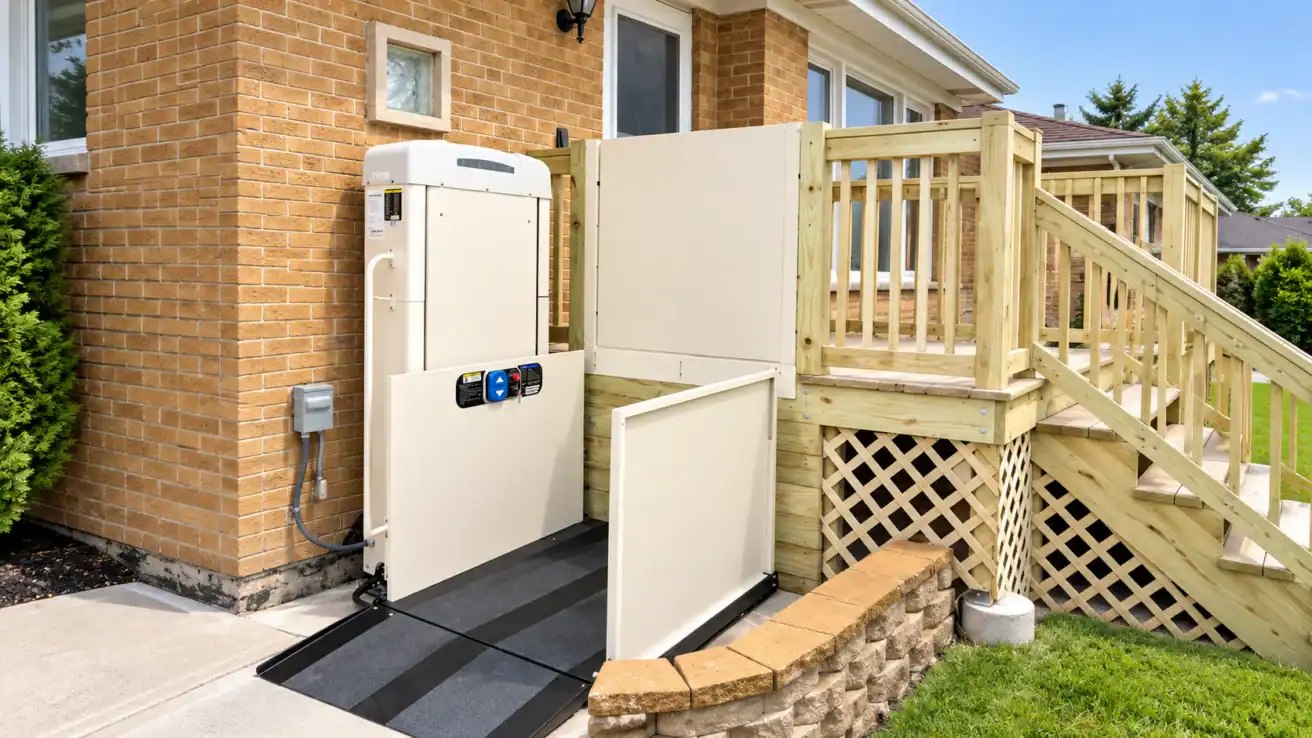
A straight stairlift costs between $2,800 and $8,000. A curved stairlift costs between $13,000 and $18,000. Residential vertical platform lifts cost between $12,000 and $30,000. Home Elevators start at $40,000. Wheelchair ramps cost between $1,000 and $5,000. These costs are a general overview.
When working with clients at 101 Mobility of Baton Rouge, I identify the cost factors that impact each of these prices and are specific to their home. Each staircase has unique features that contribute to the final price and the mobility solutions cost guide gives a general range.
From your perspective, the final price of the mobility equipment will depend on the equipment features, location of the equipment, configuration of the equipment and the characteristics of the home.
Equipment features have a significant impact on the final price of the equipment.
Vertical Platform Lifts have a significant impact on price based on the height and configuration of the home.
Home Elevators have a significant price variation based on the drives and stops and the modifications made to the home.
Ramps have a significant variation based on the configuration and height of the home.
These costs do not include the variation in price based on equipment features. The costs are for residential equipment. These costs do not include a site visit.
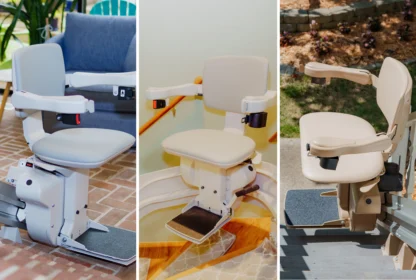
A straight stairlift costs between $2,800 and $8,000, while the starting price for a curved stairlift is $13,000. The current straight stairlift pricing and curved stairlift pricing guides provide additional information on installed costs.
One of the main reasons for the price difference are the rails.
A straight stairlift system uses a rail that is manufactured to a particular length to match the staircase. Once the rail is sized, there are choices (i.e. model, seat, etc.) that affect the final price; however, the rail is not made to order for each staircase and so it is not a large factor in the price.
A curved rail is manufactured specifically for a staircase and each staircase has its own unique design.
There are factors other than price that affect whether a curved stairlift system is recommended over a straight stairlift system. One example is if a landing exists on the staircase where two straight stairlift systems could be used to transfer the user between the systems, I might recommend that system instead of a more expensive curved system.
A stairlift is less expensive than a Vertical Platform Lift (VPL), but the cost of a VPL is largely dependent on how high the lift serves. A short VPL would cost less than a long VPL. Current estimates for a residential VPL is $12,000 to $30,000. More information is available in the vertical platform lift pricing guide.
The same is true for home elevators.
An elevator serving only two stories is simpler than one serving multiple stories. The more stops and the farther the distance between them, the more complex the equipment and installation become.
One of the reasons home elevators are so much more expensive than residential elevators is because of the added complexity of providing service to multiple floors. The current home elevator pricing guide provides the installed starting range and additional cost factors.
There is also the consideration of the weather. Equipment installed outside must be able to withstand the elements. Weather resistant finishes, special seals, and other measures may be necessary.
Difficulties may occur with the site itself. For example, if the site has poor drainage, this will need to be addressed and may require the installation of a sub-base. The same may hold true for an electrical service.
Although site work is considered in the cost of the equipment, these must be assessed together.
Site work alone may determine the final cost of the equipment.
For a lift serving only one level, site work could include the preparation of a concrete pad, electrical work and the finishing of the entrance to the lift.
Site work for a home elevator can include the removal of sections of walls and/or floors to provide a shaft, as well as other modifications to the home. For a new home, these considerations may not be as great.
The importance of installation cannot be overstated.
Why Are These Prices?
The prices in this article are installed prices.
There are important differences between installed prices and prices of equipment for sale.
It is common for equipment sellers to omit costs for professional services such as delivery, installation, site preparation and modification, and after-sale service from the prices of equipment for sale.
It is also common for sellers to omit the costs for modification of other structural elements of the facility (e.g., electrical and mechanical services) from the prices of equipment for sale.
As mentioned above, a stairlift needs to be customized to the staircase.
A platform lift must be constructed to match the rise, and be integrated to the structure of the landing.
A home elevator must be integrated to the structure of the house.
The 101 Mobility website has pricing pages. The purpose of these pages is to give customers an idea about the cost of an installed project, as opposed to the cost of a box of equipment.
What Is in Our Estimates?
I determine the installed price of equipment by assessing the conditions of the facility.
An assessment of a stairlift requires determination of the dimensions of the staircase and surrounding clearances.
Determination of the conditions of the lower and upper landings, travel height, and available power are prerequisites for assessment of a VPL.
Assessing a home elevator requires determination of available space and other structural conditions of the facility.
In addition to the equipment and installation, the total cost of the project may include the cost for services such as the engagement of a third-party engineering and inspection service to obtain required permits.
Temporary or Cost Constrained Situations
There are other options besides purchasing.
101 Mobility has different mobility products for sale and for rent, depending on the inventory for the location. Current equipment rentals can be reviewed when a temporary solution may be appropriate.
Rental options can be beneficial for situations where the need for a mobility product is temporary, such as post-surgical situations where a patient is recovering and may only need the product for a short period. The situation can also be for families who do not know how long they will need a mobility product.
Rental options may be available for straight stair lifts, wheelchair ramps and lifts, and other products.
Curve stair lifts may not be available for rent, since the rail is custom made for the stair case.
101 Mobility also provides financing options for products. Availability of the financing may vary by location.
Is a $40,000 Home Elevator Justified?
A home elevator is the most expensive option provided by 101 Mobility.
The cost for a home elevator may be between $40,000 and $80,000, and may be more for larger elevators.
Just because a family needs to be transported between levels of their home does not mean that a home elevator is the only option.
If the situation can be remediated by the use of a stair lift for a cost of $2,800 to $8,000, then a home elevator should not be considered.
There could be a property value consideration as well. Currently, the Corporate guidance refers to research that shows a home elevator adds approximately $67,000 to the resale value of a home.
I would not consider that amount a good return on investment.
Many factors impact resale value. The market, the home, the elevator, the quality of the installation, and the buyer all play a role.
The right elevator may increase the utility of the home to meet the needs of the household, while still enhancing resale value.
How Do I Get an Exact Price for My Home?
An approximate price is usually all you need to set a budget.
That price is specific to your home.
During a free in-home consultation, I can measure the space, evaluate the installation, and determine the equipment that would be used. Following that evaluation, I would be able to provide you with a price.
That is all the information needed to transform a range to an exact price. For example, a price range of $12,000 to $30,000 would become specific to your situation based on the factors of your home, the elevator, and the market.
Frequently Asked Questions
How much does it cost to purchase a stair lift?
A stair lift to access a straight run of stairs would cost $2,800 to $8,000, and a stair lift to access a curved staircase would cost $13,000 and up.
I’m interested in the prices for porch lifts and home elevators. Also, how much are wheelchair ramps?
A vertical porch lift costs between $12,000 and $30,000, as of the 101 Mobility VPL pricing guide. Some things that can impact the price are travel height, location, foundation work, and configuration.
Home elevators? Start at $40,000. Structural work and finishes can increase the cost to over $80,000. The number of stops impacts the price of the home elevator as well.
Wheelchair ramps? Expect to pay between $1,000 and $2,000. The current wheelchair ramp pricing guide provides additional information on installed ramp costs.
Curved stairlifts? Expect to pay more. The cost of a curved stairlift will depend on the number of transitions, contours, and directional changes on the staircase.
Because the rail of a curved stairlift must conform to the shape of a staircase, it costs more to make. A straight stairlift uses standard rail sections. A system of standard rail sections requires less custom fabrication.
Do the costs of mobility equipment increase if it is to be used in a source other than the home, like outdoors?
Generally, yes. Mobility equipment designed to be used outdoors requires additional consideration about the site and how it will be anchored to the ground. Electrical work may also be necessary. Mobility equipment rentals may be available for equipment that is not heavily used, but custom equipment is generally not rented.
Why can’t I get an exact price for mobility equipment over the phone?
The price is determined by many factors such as how easy it is to travel up and down the equipment, the vertical distance covered, the structure of the building, how easy it is to access and integrate electrical works, and the equipment selected.
About the Author
Jonas Boutte is the owner of 101 Mobility of South Louisiana and has hands-on training from accessibility-equipment manufacturers including Bruno, Harmar, Stiltz, Staying Home, EZ-ACCESS, National Ramp, and others. He helps Baton Rouge-area families compare stairlifts, ramps, platform lifts, home elevators, and other accessibility solutions based on the house, route, equipment needs, and budget.