Home Elevator Planning in Mandeville: When Stairs Start Limiting Daily Life
In many multi-level homes, stairs work fine until they slowly start changing daily routines. A bedroom upstairs feels less convenient. Carrying laundry becomes more tiring. Trips between floors get postponed, reduced, or avoided altogether.
That is often when families begin looking into a home elevator in Mandeville.
For some homeowners, the goal is safety. For others, it is comfort, long-term planning, or making sure the home continues to work well over time. A residential elevator is not only about mobility decline. It can also be a practical way to support easier movement, preserve independence, and make a multi-level home more usable for years to come.
When stairs start affecting more than just comfort
Most people do not begin by saying, “We need a home elevator right now.” It usually starts with smaller changes in behavior.
You may notice that certain items stay downstairs because carrying them up feels like too much effort. One floor of the home gets used more than the other. A family member becomes more cautious on the stairs. Recovery after surgery, joint pain, balance concerns, or simple fatigue begins to shape the day.
These changes matter because they affect how the home functions. When stairs start limiting access to bedrooms, bathrooms, storage, or shared spaces, the issue is no longer just convenience. It becomes a planning decision about how to keep the home working well.
Why homeowners start considering a home elevator in Mandeville
A residential elevator is often part of a broader long-term plan. Homeowners may want to stay in the home they already love, but with better support for future needs.
Common reasons families begin home lift planning include:
- Wanting easier movement between floors
- Planning an aging in place upgrade
- Making the home more practical after a health change
- Reducing dependence on stairs before the need becomes urgent
- Improving comfort for daily tasks like laundry, luggage, or carrying household items
- Preparing the home for a spouse, parent, or visiting family member with mobility concerns
For many households, the decision is not about replacing the home. It is about adapting the home so it continues to fit real life.
Home elevator Mandeville planning: what to evaluate first
Before choosing equipment, it helps to look at how the home is used now and how that may change over time.
Daily routines
Start with the basics. Which rooms are upstairs? How often do you move between levels each day? Are stairs mainly inconvenient, or are they beginning to interrupt normal routines?
If the answer includes things like avoiding trips upstairs, delaying chores, or worrying about falls, the conversation is worth having.
Who needs access now and later
A home does not need to be planned only for one person’s current needs. It may need to support a couple aging in place, a parent returning home after a procedure, or a household preparing for future mobility changes.
That is why multi-level home access should be viewed as a long-term household issue, not just a short-term personal one.
Layout and available space
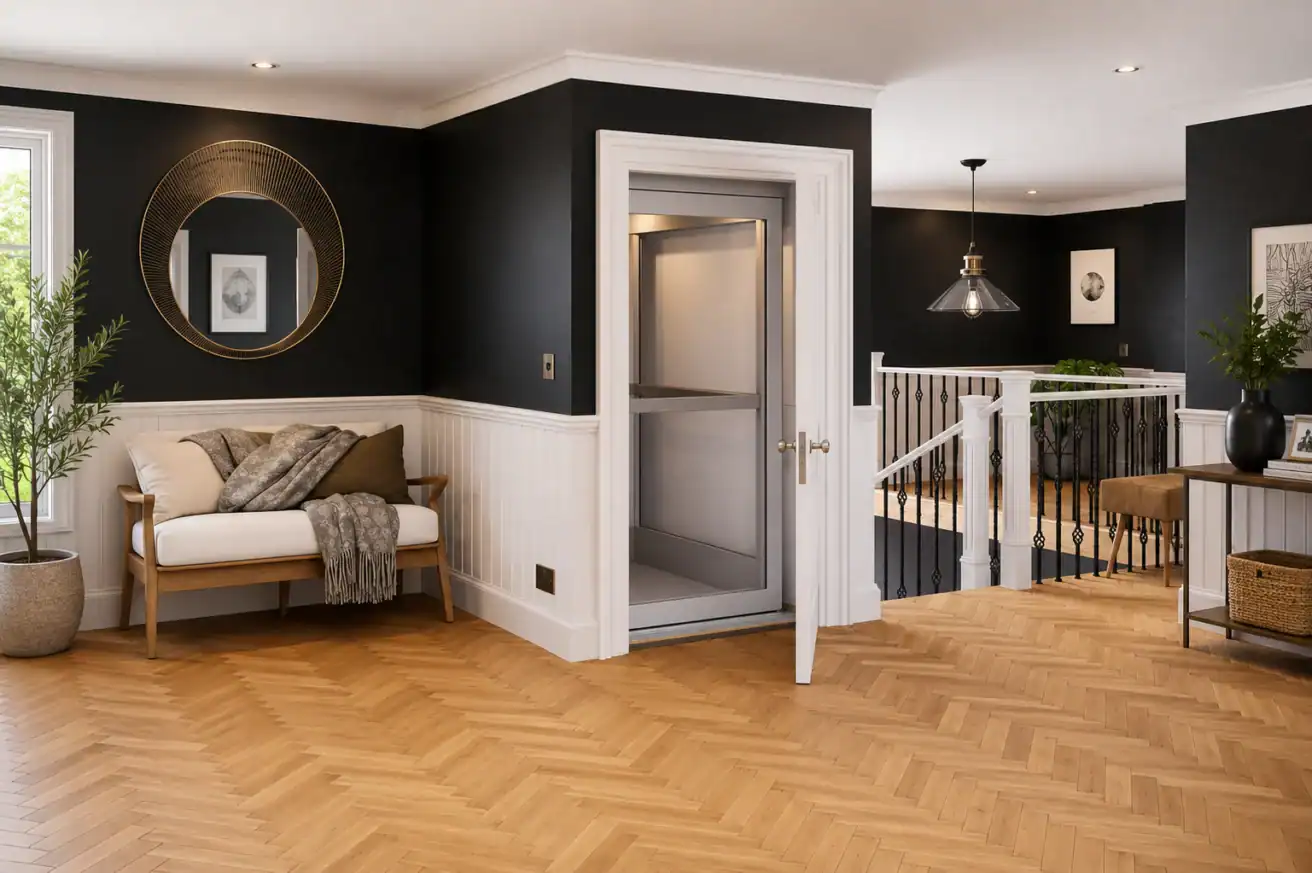
Some homes have room for a more traditional residential elevator. Others may be better suited to compact home lift solutions. The right fit depends on the floor plan, access points, travel path, and how the equipment will integrate into daily living.
Whether a home elevator or another solution fits best
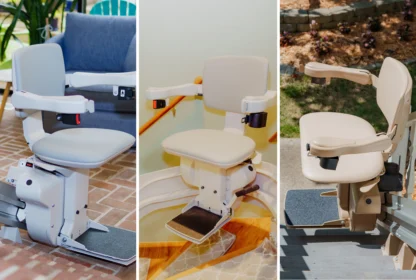
Not every staircase problem calls for the same answer. In some homes, a stairlift may be the better fit. In others, a home elevator makes more sense because it supports easier multi-floor access, accommodates more than one type of use, and fits broader long-term goals.
That is why professional guidance matters early in the process.
What a residential elevator can improve in daily life
The best way to think about a residential elevator in Mandeville is not as a luxury feature first, but as a practical access solution.
A well-planned home elevator may help with:
- Easier movement between main living areas
- Reduced reliance on the stairs throughout the day
- Simpler transport of laundry, groceries, luggage, and household items
- Better access to upstairs bedrooms and bathrooms
- Improved long-term usability of the home
- More confidence for homeowners thinking ahead
It can also help families avoid the common pattern of slowly shrinking daily life to one level of the home.
A simple comparison of common access scenarios
| Situation | What it often leads to | Why a home elevator may help |
|---|---|---|
| Upstairs rooms are used less often | Parts of the home become less practical | Restores easy access between levels |
| Carrying laundry or groceries feels harder | More strain during routine tasks | Supports smoother daily movement |
| A homeowner wants to age in place | Delayed decisions until access becomes urgent | Makes proactive planning easier |
| A spouse or parent has growing mobility concerns | Increased caution and reduced independence | Helps maintain access with less stair dependence |
| The home is a long-term residence | Concern about whether it will still work in 5–10 years | Creates a more future-ready living environment |
Why planning earlier usually leads to better decisions
One of the biggest mistakes families make is waiting until stairs have already become a daily barrier.
Earlier planning gives you more room to compare options, understand what fits the home, and make a decision based on long-term goals rather than urgency. It also allows the solution to be selected around comfort, layout, and future usability instead of reacting to a recent event.
That is especially important for homeowners who want to stay put. If the house is meant to be a long-term home, access planning should be part of that conversation.
What to expect from the consultation and planning process
A good consultation should focus on the home, the people using it, and the day-to-day problem that needs solving.
That usually includes:
- Reviewing the layout and travel path between floors
- Discussing current mobility concerns and future goals
- Identifying whether a home elevator is the best fit for the space
- Explaining available options and installation considerations
- Recommending a solution that supports safety, comfort, and long-term use
This is where working with a provider that handles guidance, product selection, installation, and support becomes especially valuable.
For homeowners in the area, 101 Mobility’s New Orleans location offers access to home elevator solutions and free consultations, while the broader home elevator product category includes multiple residential models and options suited to different homes and layouts.
FAQ
When should someone start thinking about a home elevator?
Usually when stairs begin changing daily routines, limiting access to parts of the home, or raising concerns about long-term comfort and safety.
Is a home elevator only for people with major mobility limitations?
No. Many homeowners explore one as part of long-term planning, convenience, or an aging in place strategy before mobility becomes a more serious issue.
What is the difference between a stairlift and a home elevator?
A stairlift travels along the staircase on a chair. A home elevator provides vertical travel between floors and may better suit households planning for broader long-term access needs.
Can a residential elevator work in an existing home?
In many cases, yes. The right fit depends on the layout, available space, and the type of system that best matches the home.
What is the first step in home lift planning?
The first step is a consultation that reviews the home layout, daily routines, and future goals so the right access solution can be recommended.
Make your home easier to live in for the long run
If stairs are starting to limit comfort, access, or confidence at home, it may be time to explore your options. A well-planned home elevator can support safer, easier movement and help a multi-level home continue working for everyday life.
Visit the New Orleans 101 Mobility location or explore available home elevator options to learn what may fit your space. Then book a free consultation to discuss the next step for your Mandeville home.