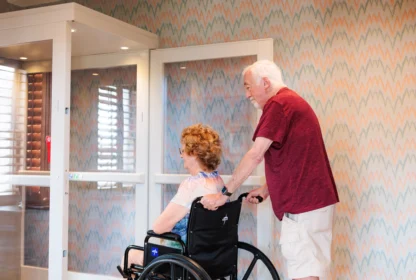
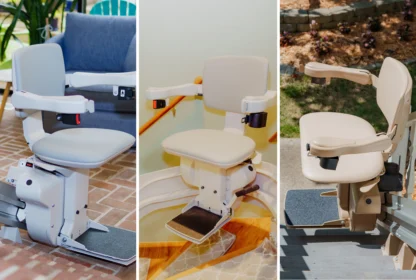
Home Elevator Planning in Geismar: When Stairs Start Limiting Daily Life
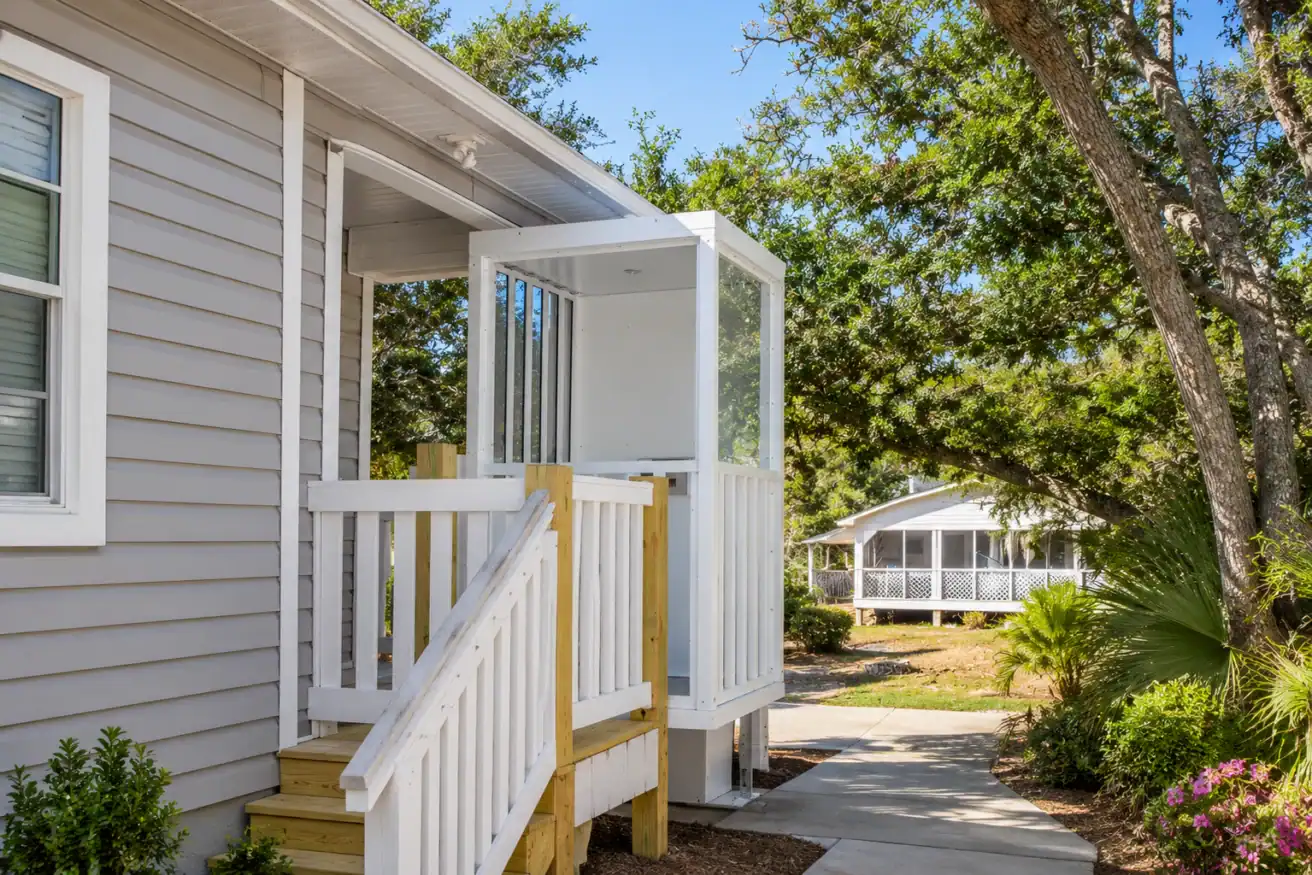
In many multi-level homes, stairs work fine for years until they quietly become one of the hardest parts of the day. What starts as a little hesitation, extra caution, or avoiding trips upstairs can turn into a daily limitation that affects comfort, confidence, and how you use your home.
That is often when families begin looking into a home elevator in Geismar. For some, it is about aging in place. For others, it is about making a long-term home easier to live in, easier to navigate, and better suited to changing needs. The right solution is not just about getting from one floor to another. It is about preserving access to the rooms, routines, and independence that matter most.
If your home has started to feel harder to move through, planning early usually creates more options and less stress.
When daily stairs stop feeling simple
Most people do not wake up one day and suddenly decide they need a residential elevator. Usually, the change is gradual.
You may notice someone taking the stairs less often. A bedroom upstairs may start feeling less practical. Carrying laundry, supplies, or personal items between levels may feel more tiring than it used to. Family members may begin thinking ahead after a fall, surgery, diagnosis, or simply a shift in balance and endurance.
These moments matter because they often signal that the layout of the home is starting to work against daily life.
Common early signs
- Trips between floors are reduced to only what feels necessary
- Carrying everyday items upstairs becomes more difficult
- Recovery from injury or surgery makes stairs harder to manage
- A long-term plan for aging in place becomes more urgent
- Family members start asking whether the home will still work in a few years
When those patterns show up consistently, it may be time to explore a better access solution.
Why a home elevator in Geismar becomes a practical next step
A home elevator is not only about mobility loss. In many homes, it is a smart way to support multi-level home access while improving comfort and long-term usability.
For homeowners who want to stay where they are, a residential elevator can help preserve access to bedrooms, living areas, storage, and everyday routines without forcing major lifestyle compromises. It can also help families plan ahead instead of waiting for stairs to become a serious safety concern.
That is why a residential elevator in Geismar is often part of a broader aging in place upgrade. It supports a future where the home still works even if physical needs change.
Common situations where homeowners start planning
Aging in place without leaving a home you love
Many homeowners want to remain in the place they know best. A home elevator can help make that possible by keeping all levels of the home usable for longer.
Making daily routines easier
Sometimes the issue is not a dramatic safety event. It is the accumulated strain of daily movement. Getting upstairs, bringing items between floors, and managing routine tasks can become frustrating long before they become impossible.
Planning before needs become urgent
Some families start home lift planning before there is an immediate issue. That can be the smartest time to act. Earlier planning often gives you more flexibility in layout, product selection, and installation timing.
What to evaluate before choosing a residential elevator in Geismar
The best decision starts with the home and the people using it. Before choosing a system, it helps to look at the bigger picture.
| Planning Factor | What to Consider |
|---|---|
| Home layout | Where the elevator could travel, how it connects key rooms, and how it fits daily traffic patterns |
| Primary user needs | Current mobility, stamina, balance, and whether a wheelchair or walker may need to be accommodated later |
| Long-term goals | Whether the priority is immediate convenience, aging in place, or future-ready accessibility |
| Household use | Whether the elevator will support one user, multiple family members, or occasional caregiver assistance |
| Installation approach | How much modification the home may need and what type of footprint makes sense |
| Budget planning | Product category, installation complexity, and whether pricing research should happen early |
This is where a professional consultation matters. A good recommendation should match the home, the access challenge, and the long-term goal rather than pushing a one-size-fits-all answer.
Home elevator vs waiting too long
Waiting is common, but it can make planning harder. Families often delay until the stairs have already become a major obstacle.
| Signal You’re Seeing | What It Often Means |
|---|---|
| Upstairs rooms are used less often | Access is becoming a quality-of-life issue |
| A parent or spouse avoids stairs when possible | Confidence and comfort may already be declining |
| You are planning a forever-home update | This is the right time to evaluate a long-term access solution |
| You are comparing multiple home modification options | A residential elevator may deserve a serious look now, not later |
| Recovery or diagnosis changed how the home is used | A faster, safer floor-to-floor option may now be needed |
The goal is not to overreact. It is to notice when the home no longer supports the way people need to live in it.
What the planning process should include
A useful home elevator consultation should go beyond product brochures. It should help you understand what is realistic, what fits the home, and what makes sense for the household.
1. Review how the home is actually used
Which floors matter most every day? Is the upstairs bedroom essential? Are laundry, storage, or bathrooms split across levels? These details shape the right recommendation.
2. Match the solution to present and future needs
A good plan should consider what helps now and what will still work later. That is especially important for families thinking about long-term accessibility.
3. Clarify what installation may involve
Not every system fits every home in the same way. Some options are designed to work with minimal home modifications, while others may support larger or more specialized access needs.
4. Plan for service and support
A major accessibility upgrade should come with a clear path for installation guidance, product education, and ongoing support.
Product fit examples for home lift planning
Different homes call for different solutions. That is why home lift planning should focus on fit, not just labels.
Compact home lift options
Some home lifts are designed for a smaller footprint and minimal disruption to the home. These can be appealing when space efficiency and cleaner integration matter.
Higher-capacity or broader-use options
Other residential lift options may be better when the goal is accommodating larger items, supporting more flexible use, or preparing for changing mobility needs over time.
Style and visibility preferences
Some homeowners prioritize a more discreet look. Others want a design that feels open and blends with the home’s interior. A consultation can help narrow down what matters most.
Quick planning table for families
| If this is your priority | You may want to discuss |
|---|---|
| Staying in a two-story home long term | Aging in place planning with a residential elevator |
| Keeping upstairs fully usable | A home elevator that supports daily floor-to-floor access |
| Minimizing disruption to the home | Compact home lift options |
| Planning for future mobility changes | Broader long-term access needs during consultation |
| Understanding likely investment range | Home elevator pricing and installation factors |
Internal resources to review while planning
If you are researching options, these pages can help you compare solutions and next steps:
- 101 Mobility Baton Rouge
- Home Elevators
- Home Elevator Pricing
- FAQs
- Why 101 Mobility
- Book a Free Consultation
FAQ
When should I start planning for a home elevator?
Start when stairs begin affecting comfort, confidence, or daily routines, not only when they become unsafe. Earlier planning usually gives you more flexibility and better choices.
Is a home elevator only for severe mobility limitations?
No. Many homeowners explore a residential elevator to support long-term comfort, easier multi-level home access, and aging in place planning before needs become urgent.
Can a residential elevator work in an existing home?
In many cases, yes. The right option depends on the home layout, available space, and access goals. That is why an in-home consultation is important.
How do I know which type of home lift is right?
The best fit depends on who will use it, how the home is arranged, and whether future access needs should be considered now. A consultation helps narrow this down clearly.
Should I compare pricing early in the process?
Yes. Reviewing likely cost ranges early can help families plan realistically while comparing long-term accessibility options.
Final thoughts
When stairs start limiting daily life, the issue is usually bigger than convenience. It affects how confidently someone moves through the home, how long the home will remain practical, and whether everyday routines stay manageable.
A well-planned home elevator in Geismar can help you protect access to the home you already love. It can support safety, comfort, and independence without waiting for the problem to become urgent.
If your family is starting to think seriously about long-term access, now is a smart time to take the next step.
Book a Free Consultation to explore the right residential elevator or home lift solution for your home.