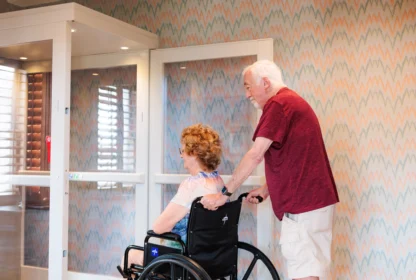
HISA is only one of several VA benefits that help veterans adapt their homes and vehicles for mobility. Programs like Specially Adapted Housing (SAH), Special Home Adaptation (SHA), Temporary Residence Adaptation (TRA), and the automobile adaptive equipment allowance can offer far more support. In many cases, you can use them alongside HISA. Review the specific requirements and how to apply on the VA website.
HISA is one piece of a much larger system. The VA offers at least half a dozen programs that touch mobility in some way, from ramps and grab bars to vehicle modifications and powered wheelchairs.
This guide covers what HISA actually pays for, the larger housing grants, and the benefits that help assist in areas outside of your home. It also shows how to sequence them, so you get the most support with the least confusion. Nothing here replaces a conversation with a VA representative or an accredited Veterans Service Officer (VSO), but it will help you ask better questions when you have one.
What Does the HISA Grant Actually Cover, and Where Does It Stop?
The Home Improvements and Structural Alterations grant pays for medically necessary changes to your home. It’s administered through VA health care (specifically the Prosthetic and Sensory Aids Service), not the home loan side of the VA, which is why many veterans find it through a doctor or occupational therapist rather than a benefits office. To apply, you’ll need a prescription or statement of medical need from a VA or VA-authorized community care physician, a completed VA Form 10-0103, and quotes from at least three contractors, submitted to the prosthetics department at your VA medical center. If you rent, you’ll also need written permission from the property owner.
HISA typically covers:
- Bathroom modifications, like walk-in or roll-in showers and grab bars
- Widened doorways
- Ramps and accessible entryways, including small landings or decks up to 8′ x 8′
HISA typically does not cover:
- Decks larger than 8′ x 8′ or walkways to outbuildings
- Pools, spas, or hot tubs
- General remodeling unrelated to a documented medical need
The lifetime maximum depends on your service connection. Veterans who need modifications for a service-connected condition, or who have a service-connected rating of 50% or higher, can receive up to $6,800, even if the modification is for a non-service-connected condition. Veterans without a qualifying service-connected rating who are enrolled in VA health care can receive up to $2,000. These caps are set by federal law rather than adjusted annually, but it’s still important to confirm your eligibility and any remaining balance with your VA health care team before you plan a project around it.
Which Housing Grants Do Most Veterans Overlook?
Beyond HISA, the VA offers larger adaptation grants for veterans with certain severe service-connected disabilities. They’re administered separately through the VA’s housing benefits program, with higher maximums and stricter eligibility rules. Here’s what to know about each.
What Are the SAH and SHA Grants, and Who Qualifies?
Specially Adapted Housing (SAH) and Special Home Adaptation (SHA) grants are for veterans with specific service-connected disabilities. Qualifying conditions include the loss or loss of use of more than one limb (or of both hands, for SHA), blindness in both eyes, certain severe burns, and certain respiratory injuries.
The key difference from HISA: SAH and SHA maximums are considerably higher, and you can use the grant up to six times over your lifetime rather than in a single payout. The VA may adjust the maximums each year based on construction costs, so check the current fiscal year amount on VA.gov before you apply or budget.
It’s worth noting that you may be eligible for both HISA and SAH or SHA. These are not always either-or programs. A veteran who qualifies for SAH may still use HISA for smaller, separate modifications. This is exactly the kind of overlap a VSO can help you map out.
What Is Temporary Residence Adaptation (TRA), and When Does It Apply?
If you qualify for SAH or SHA and are temporarily living in a home owned by a family member, Temporary Residence Adaptation (TRA) can help pay for modifications to that home, not just your own.
TRA doesn’t reduce your SAH or SHA dollar maximum, but it does count as one of your six lifetime grant uses, and it can only be used for one residence. If TRA might apply to you, talk with a VSO before you move forward so you understand how it fits into your overall plan. TRA’s legal authority has a set expiration date that Congress has extended in the past, so confirm with the VA that the program is currently available.
Which VA Mobility Benefits Go Beyond Your Home?
Home modification is only one piece of your VA mobility benefits. Other pieces of support help you get moving in your car and in your daily life.
- Automobile Allowance and Adaptive Equipment. If you have a qualifying service-connected disability, the VA offers two related benefits: a one-time payment to help you buy a specially equipped vehicle (called automobile allowance), or in some situations, one or more adaptive-equipment grants to change a vehicle so it has features like power steering, brakes, seats, windows, or lift equipment to help you get into and out of the vehicle. They use different applications: the allowance uses VA Form 21-4502, while the adaptive-equipment grant uses VA Form 10-1394, handled through VA medical centers. One important rule: you’ll need to file your claim and get approval before you buy a vehicle or adaptive equipment.
- Prosthetic and Sensory Aids. This VA health care benefit covers wheelchairs, scooters, walkers, and in some cases stair-climbing equipment, based on what your care team determines you need.
Each of these sits with a different VA office so you’ll want to work with your local VSO to point you in the right direction.
What Changed With VA Mobility Benefits in 2026?
The VA’s larger housing grants grow over time. SAH and SHA maximums are adjusted each fiscal year based on construction costs. For fiscal year 2026, the VA lists up to $126,526 for an SAH grant and up to $25,350 for an SHA grant. HISA works differently: its caps are set by federal law and haven’t changed since 2010.
If you were told you didn’t qualify, or that you’d reached a cap, in a prior year, it’s worth checking again. A rating change or a higher SAH or SHA maximum could change your answer. For current figures, VA.gov and your regional VA office remain the most accurate sources.
How Do You Stack and Sequence These VA Mobility Benefits?
This is the most useful question in the whole guide, and it has a practical answer.
- Start with an evaluation. Start with a documented assessment of your home. It helps you and your care team identify what you need, and it gives you a clear scope to bring to your VA appointments. Schedule a free in-home accessibility assessment to get a detailed scope and cost estimate, which can also serve as one of the contractor quotes HISA requires, and explore our veteran support resources for guidance on navigating these benefits with confidence.
- Apply for the largest grant you qualify for first. If you’re eligible for SAH or SHA, start there, since it can cover far more of a major project.
- Use HISA for what’s left. HISA is a separate benefit, so you may be able to use it for smaller, separate modifications that your larger grant doesn’t cover. Your prosthetics department can tell you what HISA will approve.
- Loop in an accredited VSO early. This service costs you nothing, and VSOs help veterans coordinate these benefits every day.
Frequently Asked Questions About VA Mobility Benefits
How much is the HISA grant worth in 2026?
HISA provides a lifetime benefit of up to $6,800 if you need modifications for a service-connected condition or have a service-connected rating of 50% or higher, and up to $2,000 for other veterans enrolled in VA health care. These caps are set by federal law and only change if Congress amends it, so confirm your eligibility and any remaining balance with your VA health care team.
Can you receive a HISA grant and a SAH grant at the same time?
Yes. HISA and SAH or SHA are separate benefits, and the VA allows veterans to receive both. Eligibility for each depends on your specific disability rating and situation, so confirm the details with a VA representative or accredited VSO.
Does the VA pay for a stairlift or a wheelchair ramp?
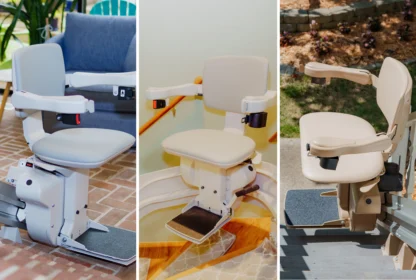
Yes, in many cases. Ramps are commonly covered through HISA, SAH, or SHA. Stairlifts and other lifts are typically provided as equipment through the VA’s Prosthetic and Sensory Aids Service when medically necessary. Coverage depends on your documented need and which program you qualify for.
Do you need a service-connected disability to qualify for VA home modification grants?
Not always. HISA is available to veterans with both service-connected and non-service-connected conditions, though the benefit amount differs, and veterans without a service-connected condition must be enrolled in VA health care. SAH and SHA grants, by contrast, are tied to specific service-connected disabilities.
How long does it take to get a VA home modification grant approved?
Timelines vary based on the program, your documentation, and the caseload at your VA medical center or VA housing office. Working with a VA occupational therapist or an accredited VSO from the start typically helps keep the process moving.
Start With an Evaluation, Not an Application
Start with a documented assessment of your home. It’s the foundation every VA application will ask for, and it’s the clearest next step you can take today.
Schedule a free in-home accessibility assessment to get the documented scope and cost estimate your VA paperwork will require, and explore our veteran support resources for guidance on navigating these benefits with confidence.