Back-to-Routine Home Accessibility in Kenner: Safer Movement Before Fall Schedules Return
July is a smart time to look at how a home really works.
Before fall schedules return, many Kenner households start shifting back into faster mornings, tighter bathroom timing, more frequent entrances and exits, and less flexibility around caregiving. That is often when small mobility barriers become more noticeable. A single step at the garage, a narrow bathroom transfer, or repeated stair use can slow down the entire day.
Back-to-routine accessibility in Kenner is not just about preparing for a worst-case scenario. It is about making everyday movement safer, smoother, and less stressful before routines become less forgiving.
If a home already feels harder to move through in summer, that friction usually gets more noticeable once school-year and fall patterns return.
Why back-to-routine accessibility in Kenner matters before fall
Many families do not notice accessibility issues when schedules are loose.
But once mornings speed up and household movement becomes more repetitive, the same trouble spots come up again and again:
- A front or garage entry that feels harder during rushed exits
- A bathroom setup that slows down dressing, bathing, or transfers
- Stairs that take more energy several times a day
- Hallways or bedrooms that make caregiver help more awkward
- Transition points that feel manageable once, but tiring over a full week
That is why home accessibility in Kenner should be reviewed before routines tighten, not after the household is already working around the problem every day.
Where daily routines usually break down at home
Entry and exit points
Daily routines often begin and end at the same few access points. That is why small entry barriers matter.
Common problem areas include:
- Front steps
- Porch edges
- Garage lips
- Door thresholds
- Uneven transitions from sidewalk to entry
These obstacles can create hesitation, increase trip risk, or make mobility devices harder to use. For households focused on safer home routines, the best place to start is often the path used most often, not the most dramatic area of the home.
Bathroom timing and transfers
Bathrooms become high-pressure spaces when multiple people are moving on a schedule.
A setup that feels workable during slower periods may become much harder when someone needs more time, more support, or safer transfers in the morning or evening. That can affect not just one person, but the pace of the whole household.
Useful bathroom improvements may include better support near the toilet, safer shower entry, and more confident footing during wet transitions. These updates can make daily mobility support more practical and more consistent.
Stairs and between-floor movement
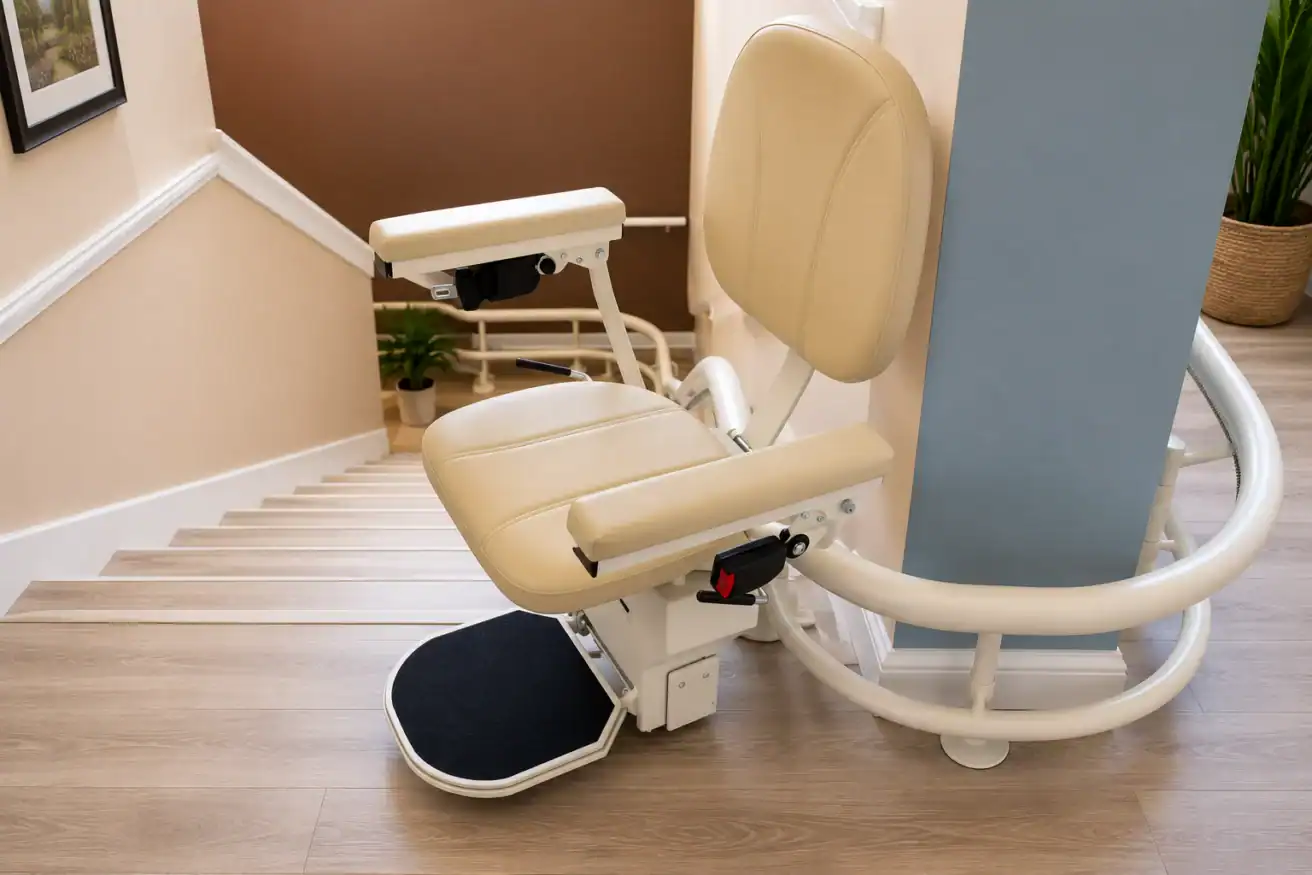
Fall schedules often mean more repeated movement between floors. Bedrooms, laundry, workspaces, and shared living areas may all require multiple stair trips in one day.
That repeated effort matters. A staircase does not need to feel impossible to become a routine problem. If someone is avoiding trips, delaying tasks, or depending more heavily on others, the home may need a better plan for stair access.
Caregiver handoff zones
Some of the most important accessibility issues show up where care happens quickly.
Bedroom transfers, hallway turns, and bathroom assistance points can become harder when one family member is helping another during a rushed part of the day. These areas are often overlooked because they are familiar, but they can affect comfort, safety, and energy for both the individual and the caregiver.
Accessibility upgrades that support safer home routines
The right update depends on where movement breaks down.
Here is a practical way to think about it:
| Routine challenge | What to review | Possible accessibility direction |
|---|---|---|
| Trouble getting in and out of the home | Steps, thresholds, porch or garage entry | Ramp solutions or threshold-friendly access planning |
| Bathroom movement feels rushed or unsafe | Shower entry, toilet area, support points | Bathroom safety solutions |
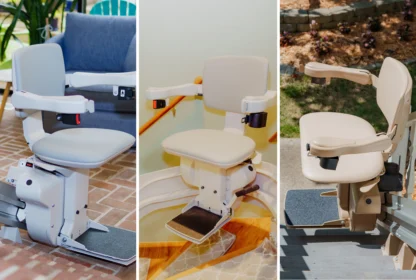
| Stairs are becoming harder to manage | Frequency of use, fatigue, confidence on stairs | Stair access solutions |
| Outdoor routes are limiting daily movement | Walkways, porches, decks, elevated terrain | Outdoor accessibility solutions |
| The household is planning ahead for long-term use | Repeated barriers across multiple areas | Book a Free Consultation |
The goal is not to add equipment for the sake of it. The goal is to reduce the friction that keeps showing up in everyday life.
That is a key part of good aging in place planning. It is easier to make thoughtful changes before the need becomes urgent.
A simple back-to-routine accessibility checklist for Kenner households
Before fall schedules return, review these questions:
| Area | Question to ask |
|---|---|
| Entry | Is the main daily entrance easy to use without hesitation? |
| Bathroom | Does anyone need extra time or help because the setup feels awkward or unsafe? |
| Stairs | Are stairs being avoided, delayed, or used less confidently than before? |
| Bedroom to bathroom path | Is the route clear, supported, and easy to manage in low-energy moments? |
| Caregiver support | Is assistance physically manageable in the spaces where help is most often needed? |
| Daily flow | Does one mobility barrier keep slowing down the same routine every day? |
If two or more of these answers raise concern, it is a good time to review the home more closely.
When to schedule a home accessibility consultation
A consultation makes the most sense before routines become harder to manage.
That includes situations like:
- A loved one is trying to stay independent at home
- Recovery or long-term mobility changes are affecting daily flow
- The household is preparing for school-year timing and busier mornings
- A caregiver is taking on more physical assistance
- One trouble spot is starting to affect the whole day
For many households, the biggest benefit is clarity. A professional review helps connect the problem to the right type of solution without guessing.
If your family is reviewing home accessibility in Kenner before fall, start with the spaces used most often and the movements repeated every day.
FAQ
What does back-to-routine accessibility mean?
It means reviewing how a home supports everyday movement before schedules get busier again. The focus is on repeated routines like getting out the door, using the bathroom, moving between floors, and managing caregiver support.
Why plan accessibility updates in summer?
Summer is often the best time to notice what needs attention before fall routines return. It gives households time to review movement patterns and address barriers before mornings and caregiving schedules get tighter.
What part of the home should be checked first?
Usually the area used most often. For many homes, that is the main entry, the bathroom, or the staircase. The best starting point is the place where daily movement slows down the most.
Is this only for seniors?
No. Accessibility planning can also help people recovering from surgery, living with a disability, or adjusting to changing mobility needs. It can also make caregiving safer and more practical.
How do I know which solution fits my home?
A consultation helps identify the specific barrier, the space available, and the safest way to support daily movement. That is usually more useful than starting with a product alone.
Book a Free Consultation
If fall routines are approaching and your household is already noticing friction points, now is a good time to act.
Explore the 101 Mobility New Orleans location page to review available accessibility categories, or Book a Free Consultation to discuss safer entries, bathroom access, stair movement, and everyday home flow before routines get busier.