Quick Takeaways:
- One provider can handle stairlifts, ramps, bathroom modifications, home elevators, and more under a single contract.
- Fragmented installs mean multiple scheduling windows, inconsistent quality, and no single point of accountability.
- A full-service local partner handles the assessment for you, so you never have to figure out what you need before calling.
- Local franchise ownership matters: it means someone with a real stake in the community answers the phone and stands behind the work.
- 101 Mobility starts with a free in-home consultation, not a product pitch.
If you have spent any time researching home accessibility solutions, you already know the frustration. One company handles stairlifts. Another does ramps. A third does bathroom grab bars. Before long, you are managing three separate estimates, three different installation windows, and three different people to call when something goes wrong.
The good news: you do not have to do it that way. A single provider can assess your entire home, recommend solutions across every area that needs attention, and handle installation from start to finish. You just need to know what to look for.
What “Full Home Accessibility” Actually Covers
A complete home accessibility plan looks at the whole house, not just the one problem that triggered the search.
Entryways and outdoor access: Wheelchair ramps and automatic door openers make it easier to get in and out of the house independently, whether that means step-free access from the driveway or a powered opener that eliminates a heavy front door.
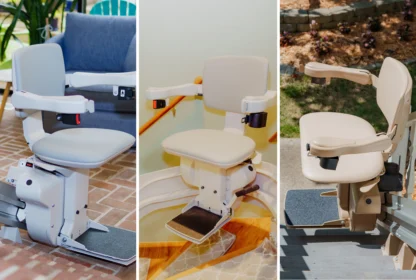
Stairs: Stairlifts are the most common solution, but vertical platform lifts and home elevators are worth considering for multi-level homes or when a stairlift is not a fit for the space.
Bathrooms: Bath safety products and bathroom modifications cover everything from grab bars and shower seats to walk-in conversions. The bathroom is where most falls happen at home, so it is usually one of the first areas to address.
Living spaces: Lift chairs help with getting up from seated positions safely. Small changes in everyday rooms can make a real difference in daily independence.
A provider who can address all of these areas from a single consultation is the one worth talking to first.
The Problem with Piecing Together Home Accessibility Yourself
It seems manageable at first. One company for the stairlift, another for the ramp, a third for the bathroom. But the coordination adds up fast.
Scheduling three separate installation windows means three separate days where someone needs to be home. Three different companies means three different workmanship standards and no single point of contact if something does not go right. And because no one company has seen the whole picture, you may end up with solutions that do not fit together as well as they should.
There is also the matter of knowing what you need. Most people starting this process do not have a complete list of modifications already drawn up. A good provider should be walking through your home and building that list with you, not waiting for you to arrive with one. That is exactly what a consultation-first model looks like, and it is one of the reasons a single full-service partner is worth finding. Aging in place is easier when the plan for it comes from one source.
What to Look for in a Full-Service Home Accessibility Provider
Not every company that sells accessibility products is actually set up to serve as a single partner. Here is what separates the ones that can from the ones that cannot.
Breadth of Products Across the Whole Home
A real full-service provider carries solutions for every area of the house. If a company only sells one product category, they will always have an incentive to fit your situation into that category even when it is not the right call. Look for a provider whose product range spans stairlifts, ramps, bathroom safety, platform lifts, home elevators, and more.
In-House Installation, Not Subcontractors
This one matters more than most people realize. A company that sells the product but outsources the install has limited accountability over the actual work. When the installer is part of the same team that sold you the solution, the chain of responsibility stays intact. You have one number to call.
Local Ownership and Real Ongoing Support
National retailers can ship a product. They cannot come back six months later to check on it. Local franchise ownership means someone with an actual stake in your community is handling your account. Look for a provider with real customer reviews, installer bios, and a local phone number that reaches a person. Those details matter more than low list prices when you are making a long-term change to your home.
What to ask before you choose a providerDo you carry products for every area of the home, or only one category? Do your installers work in-house, or do you subcontract? Can I reach a local person directly if I have a question after installation? The answers to these three questions will tell you most of what you need to know. |
How 101 Mobility Serves as a Complete Home Accessibility Partner
101 Mobility is built specifically for this. The product range covers the full home: stairlifts (straight, curved, and outdoor), wheelchair ramps, platform lifts, home elevators, bath safety products, bathroom modifications, automatic door openers, and lift chairs. Every location is locally owned and operated, with in-house installation teams who know the product line and answer to the same franchise that sold you the solution.
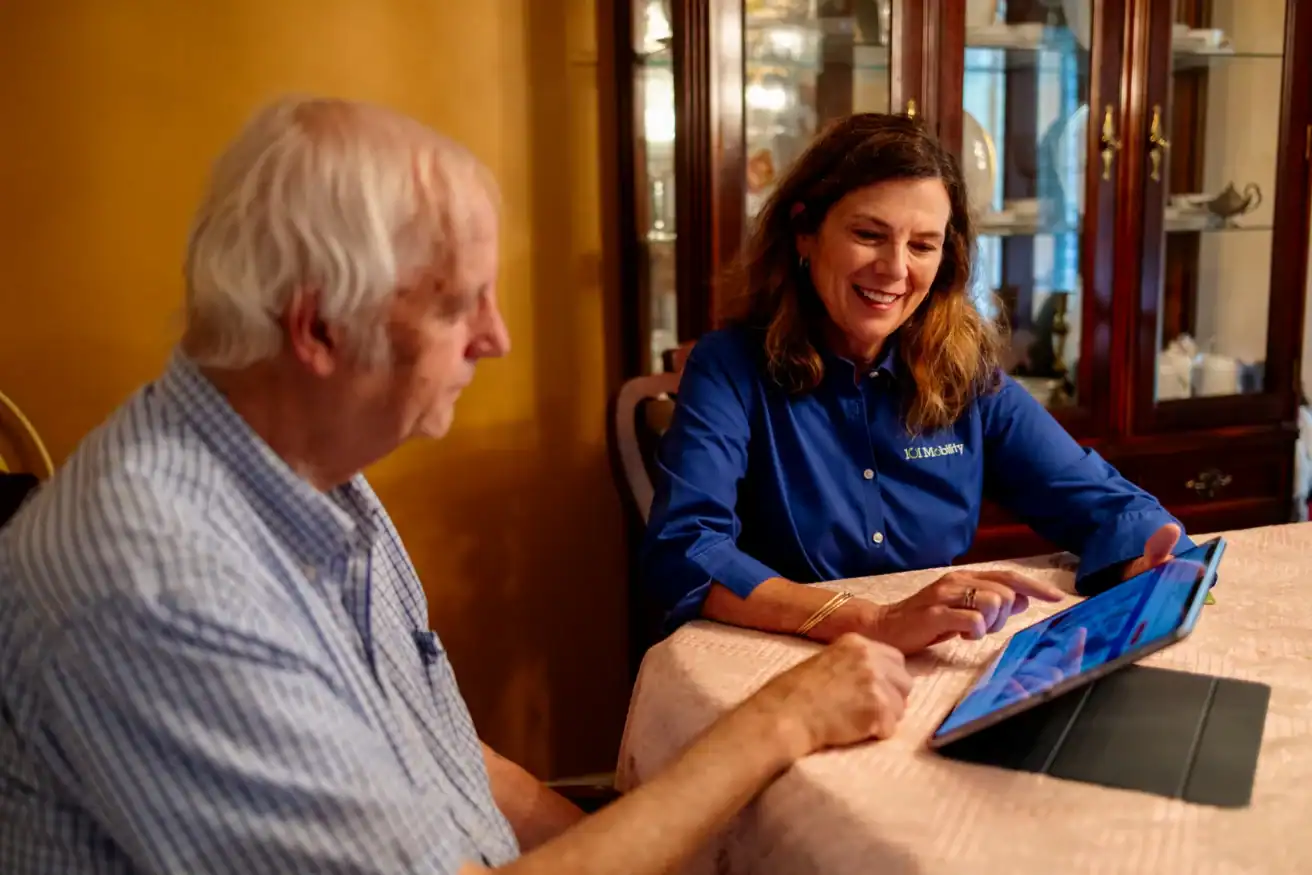
Every engagement starts with a free in-home consultation. Not a sales call, not a product catalog review. A specialist visits your home, looks at the actual spaces, and builds a plan around what you need. That is the 101 Mobility difference: the assessment comes first, and the recommendations follow from it.
Frequently Asked Questions
Can one company really install everything from a stairlift to bathroom grab bars?
Yes, if the company is set up as a full-service provider. Some companies specialize in a single product type, which means you would still need multiple vendors. A provider like 101 Mobility carries products across every major home zone and handles installation in-house, so one contract covers the whole scope.
Do I need to know what modifications I want before contacting a provider?
No, and you probably should not try to figure it all out in advance. A good provider will assess your home and make recommendations based on what they actually see. Coming in with a pre-built list can sometimes mean missing something that would have been obvious during a walk-through.
What is the difference between a local franchise and a national retailer for home accessibility?
A national retailer ships products. A local franchise provider handles the consultation, installation, and any follow-up in your area. Local ownership means there is an accountable point of contact who knows your home and can return if something needs attention after the install.
How long does a full-home accessibility assessment take?
Most in-home consultations take one to two hours depending on the size of the home and the scope of what you want to address. The goal is to walk through every space that could benefit from a modification, not just the one room that prompted the call.
Are home accessibility solutions considered home improvements or medical equipment?
They are best thought of as home improvements. Products like stairlifts, ramps, and grab bars are designed to integrate with your living space without looking clinical. Whether they qualify for any tax or insurance treatment is a separate question worth asking your provider and financial advisor.
The First Step Is a Conversation, Not a Catalog
Most people who contact 101 Mobility do not arrive with a finished spec. They arrive with a problem: stairs that have become a barrier, a bathroom that feels risky, a front step that is harder to clear than it used to be. The consultation is designed to take it from there.
| You do not need to walk in with a product list. You just need to know which rooms feel harder to move through than they used to. From there, a local 101 Mobility specialist can walk through your home and put together a plan that covers everything. No coordinating between vendors, no second-guessing the spec. Schedule a free in-home consultation and find out what full-home accessibility actually looks like for your space. |